


Top Attractions in Mito for Sightseeing
How to Use the Map
Click on a destination to see a list of events in the area. Zoom in/out to zoom in/out on the map.
Keyboard shortcut: ← Move Left/→ Move Right/↑ Move Up/↓ Move Down/+ Zoom In/- Zoom Out
Contents
Mito, the capital of Ibaraki Prefecture, offers a peaceful yet enriching experience for travelers seeking authentic Japanese culture outside the major tourist hubs. One of the top things to do in Mito is visiting Kairakuen Garden, one of Japan’s Three Great Gardens, especially famous for its stunning plum blossoms in late winter to early spring. The garden’s tranquil paths, bamboo grove, and traditional teahouse create the perfect escape into nature. Mito is also known for Natto, a fermented soybean dish that’s both a local delicacy and a symbol of the city’s food culture. Curious foodies can try freshly made natto at specialty stores or even visit the Mito Natto Museum for a fun and informative experience. In addition to its scenic and culinary offerings, Mito is home to historical sites like the Tokugawa Museum and Kodokan, the largest han school of the Edo period. These places reflect the city’s deep ties to the influential Tokugawa family. With convenient access from Tokyo (about 90 minutes by train), Mito makes a great day trip or short getaway. For those interested in exploring regional Japan, Mito travel promises a unique mix of nature, heritage, and local flavors.
Recommended Local Products and Traditional Crafts in Mito
Mito Natto
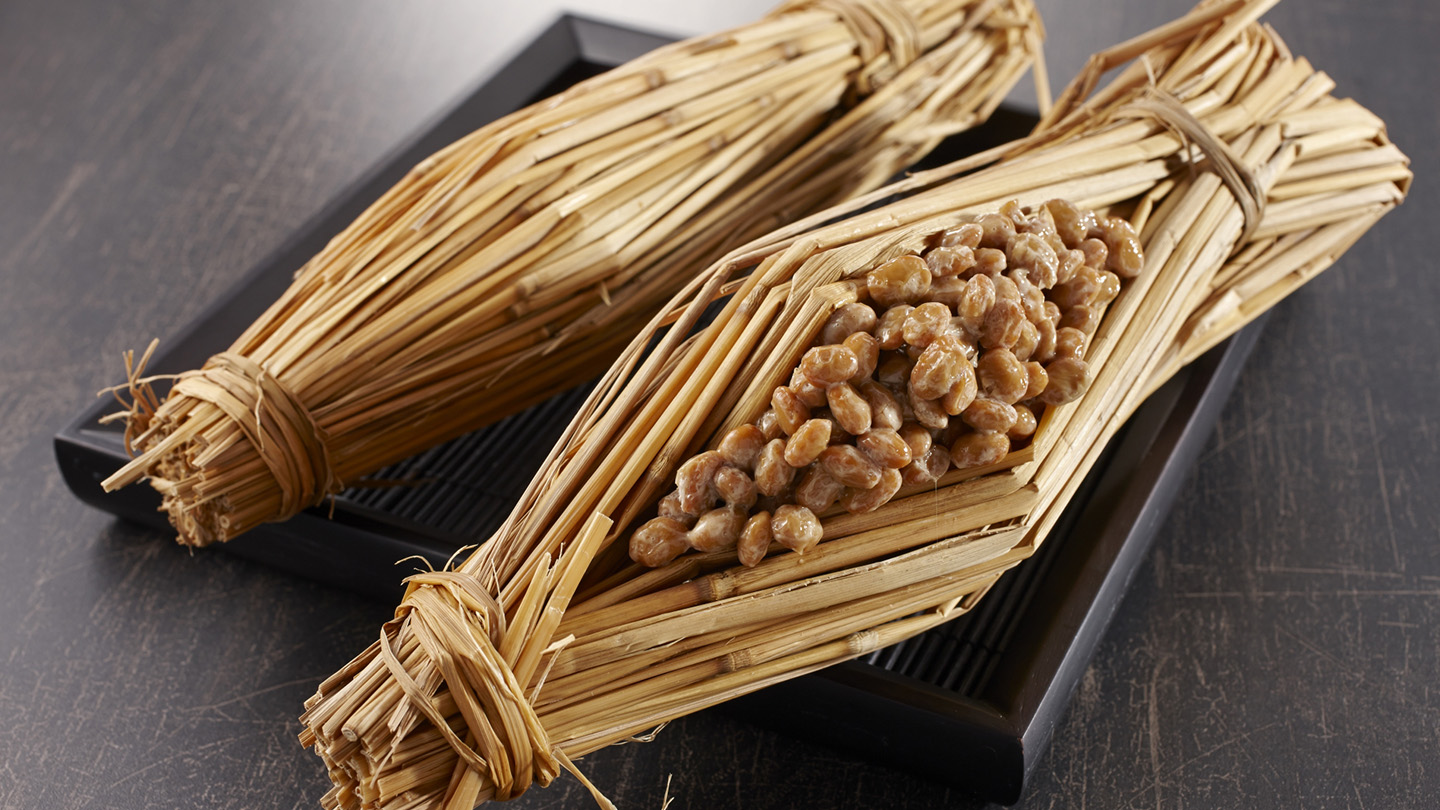
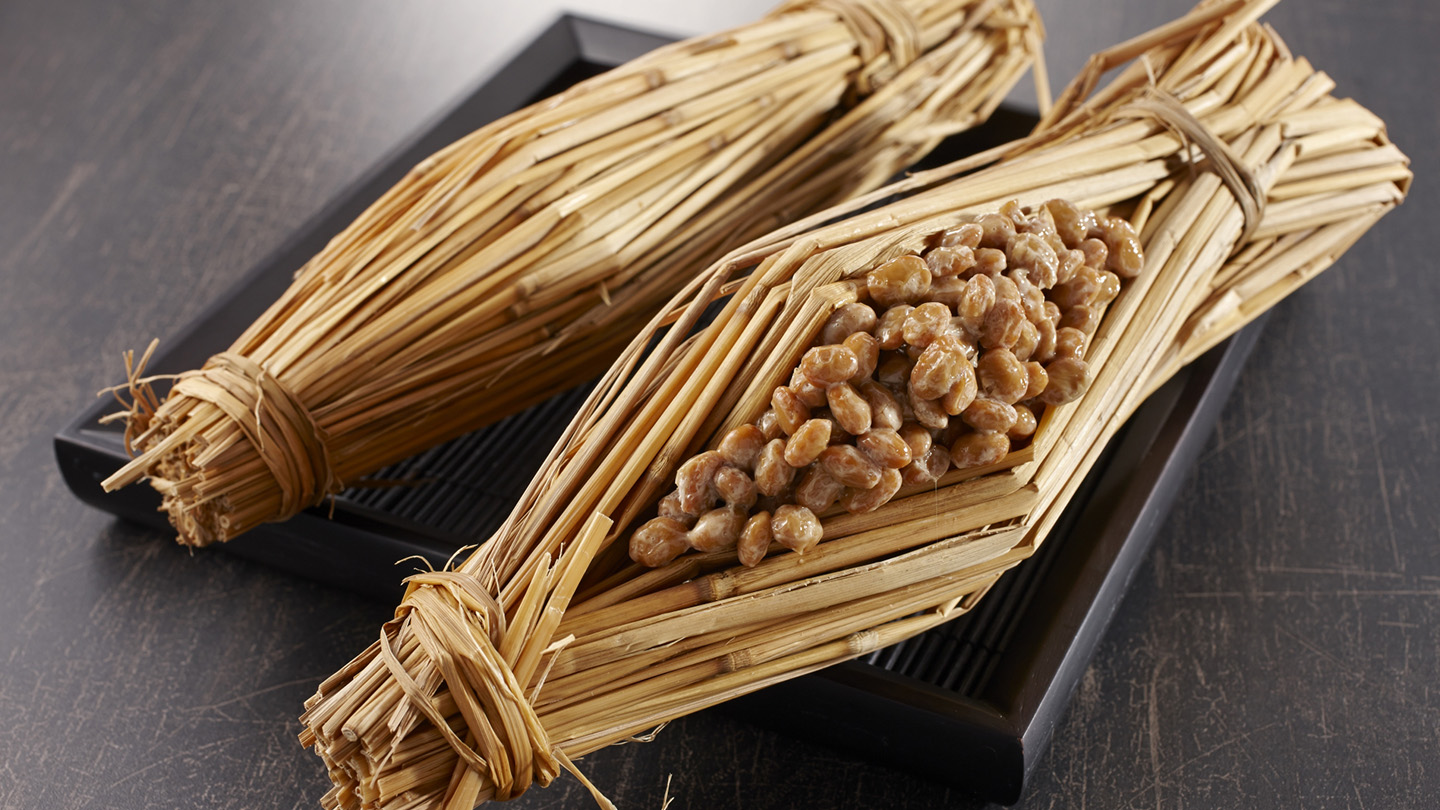
When exploring Mito, Ibaraki, one local specialty you shouldn’t miss is Mito Natto—fermented soybeans with a bold flavor and sticky texture that’s been part of Japanese cuisine for centuries. Mito is considered the birthplace of natto, and the city’s cool, humid climate was ideal for developing this traditional fermented food. Made from small, high-quality soybeans and fermented using Bacillus subtilis, Mito Natto is known for its distinctive aroma and rich umami taste. Often eaten with rice and soy sauce or used as a topping for noodles and sushi rolls, Mito Natto offers a unique culinary experience for adventurous eaters. In recent years, creative recipes like natto pasta and natto toast have brought this historic food into modern kitchens. For those interested in Japanese food culture, Mito Natto is more than a dish—it’s a window into regional traditions and local pride. During your Ibaraki travel, trying this local specialty adds an authentic and memorable flavor to your journey. Whether you love it or are simply curious, it’s a signature part of Mito’s identity.
Explore Mito: Top Spots and Must-Know Topic
Kairakuen Garden
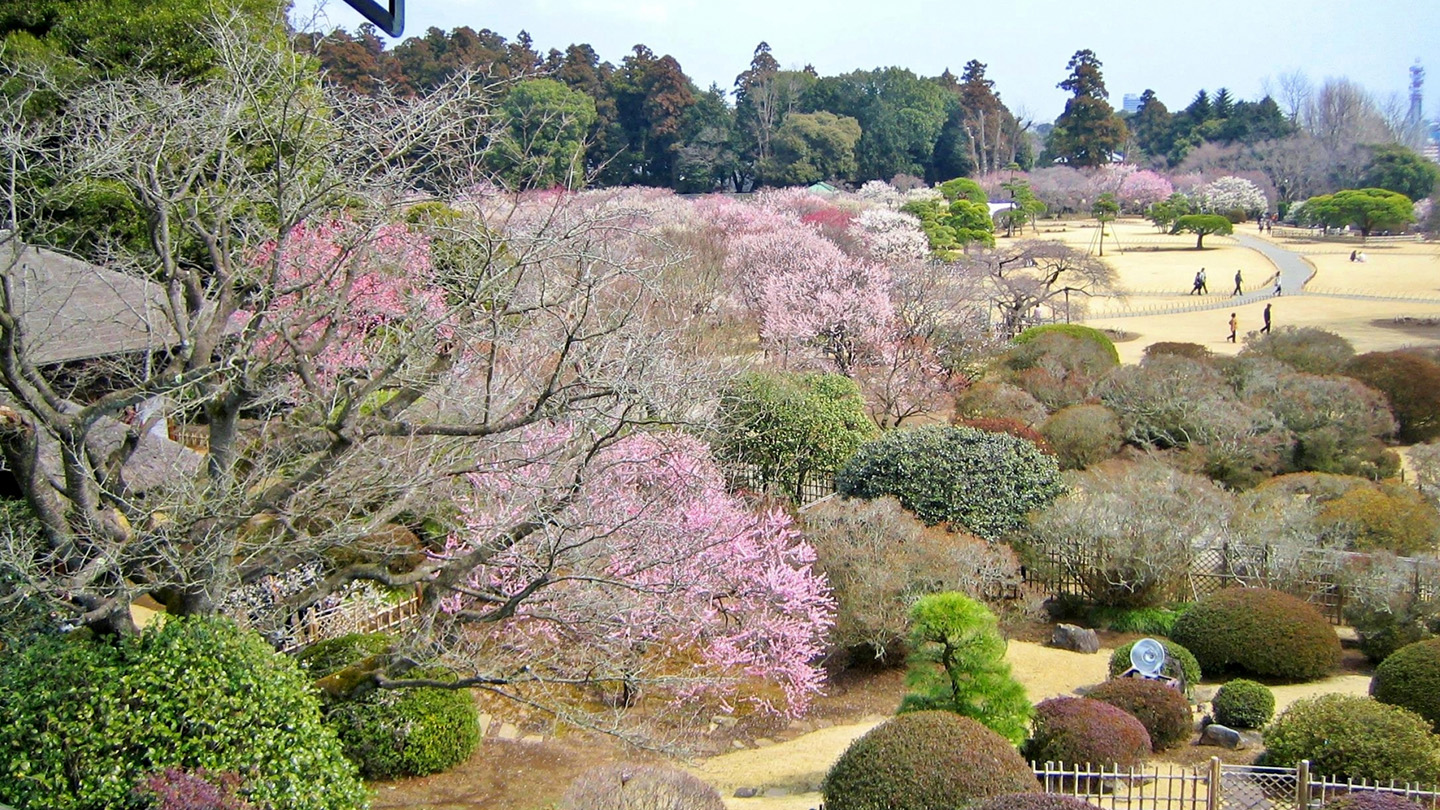
Kairakuen Garden is one of Japan’s Three Great Gardens and a must-see when visiting Mito. Famous for its stunning plum blossoms, the garden bursts into color each spring with over 3,000 plum trees of various types. Designed in the 1840s as a place for public enjoyment, Kairakuen combines scenic beauty with seasonal charm—offering something different to see in every season, from autumn leaves to summer greenery. The garden is located near Lake Senba and easily accessible from Mito Station, making it a top choice among things to do in Ibaraki. Whether you love nature, photography, or peaceful walks, this garden offers a beautiful glimpse into traditional Japanese landscape design.
Kodokan
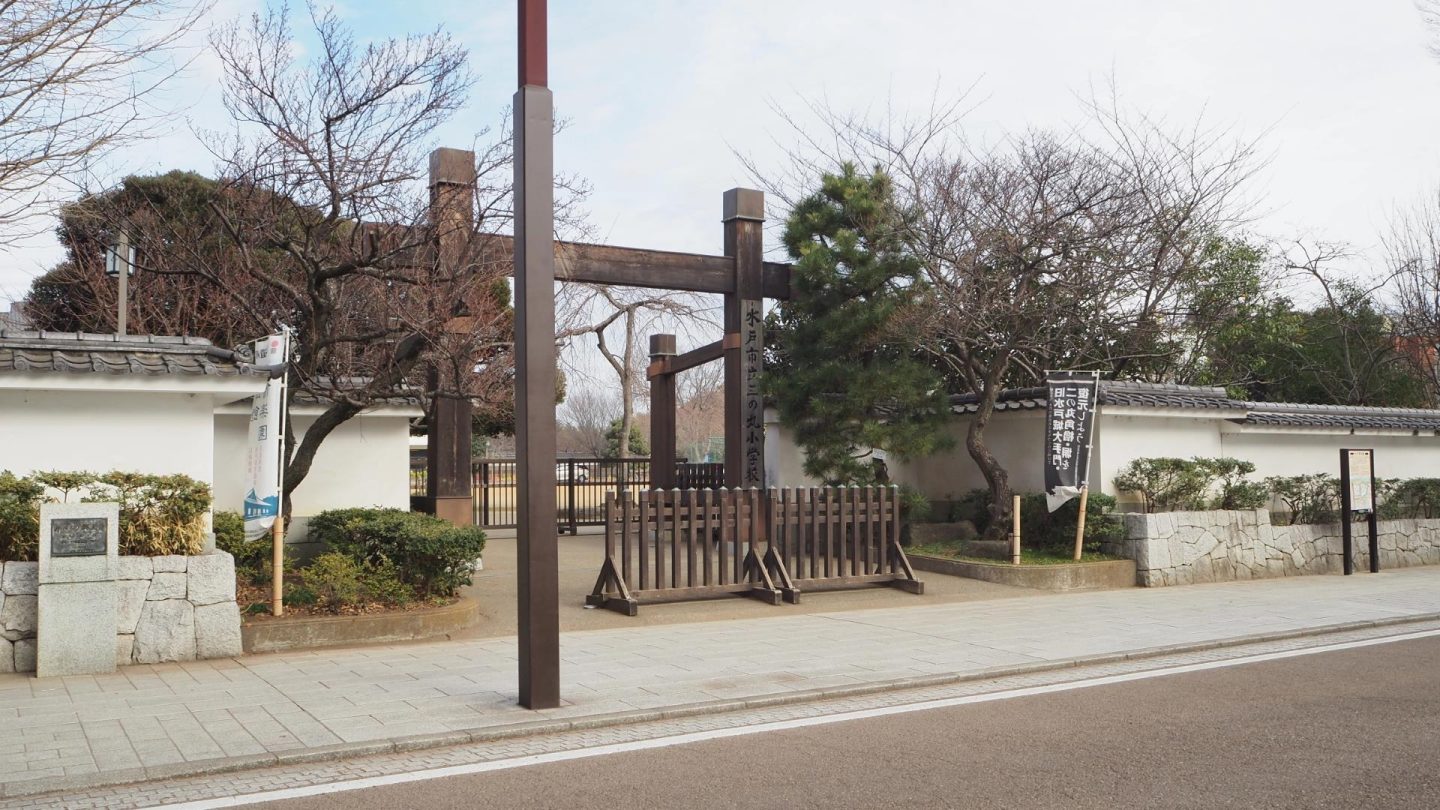
Step into Edo-period Japan at Kodokan, once the largest han school for samurai in the country. Founded in 1841 by Tokugawa Nariaki, a local lord with a passion for education, this site played a key role in shaping modern Japan. Visitors can walk through preserved classrooms and historic halls where students once studied subjects ranging from martial arts to astronomy. Located near Kairakuen Garden, it’s easy to combine both spots in a half-day visit. If you’re interested in Japanese history and looking for cultural things to do in Ibaraki, Kodokan offers a unique and insightful stop.
Art Tower Mito
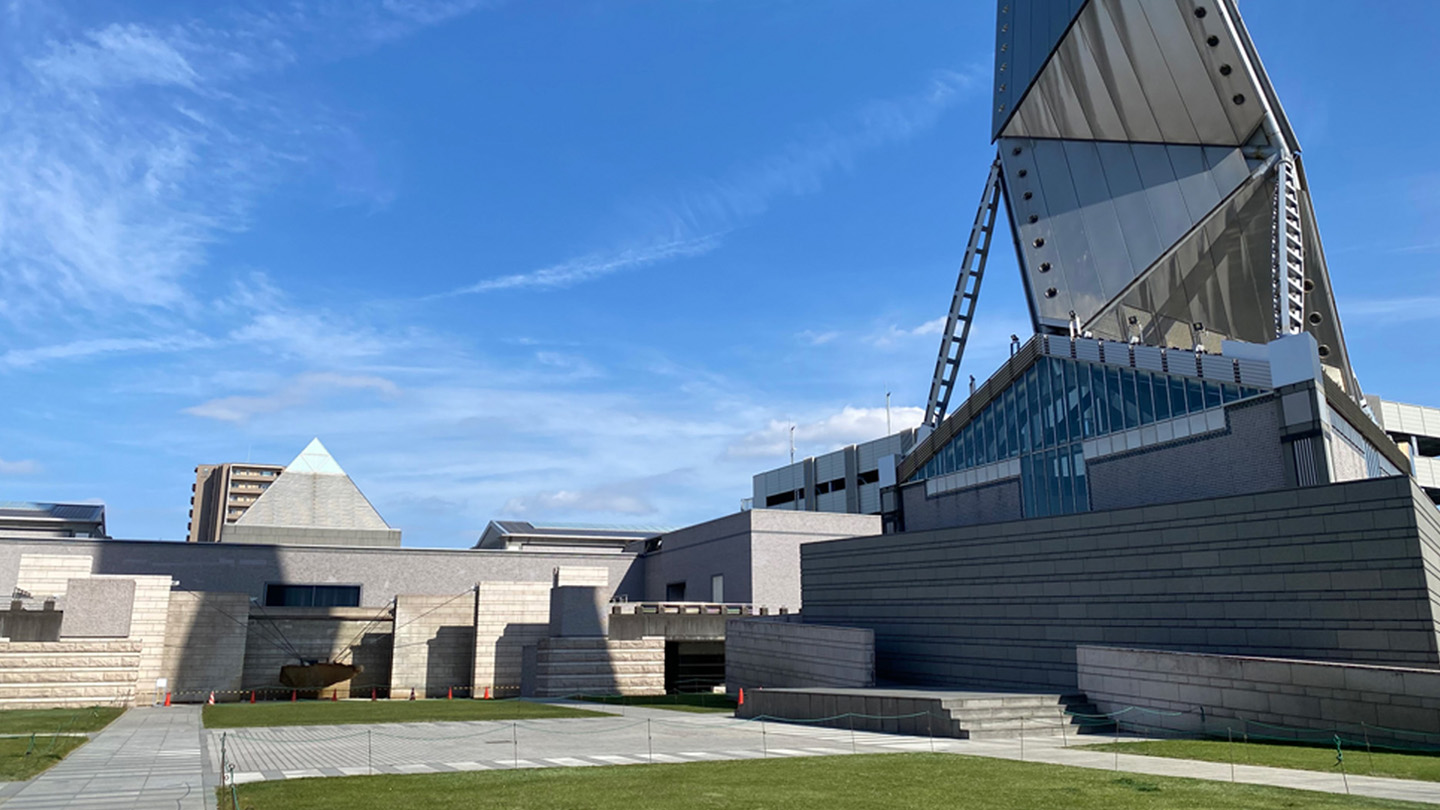
For modern culture lovers, Art Tower Mito is a highlight of the Mito cityscape. Designed by renowned architect Arata Isozaki, this striking tower is part of a contemporary arts complex that includes galleries, a concert hall, and a theater. The exhibitions often feature both Japanese and international artists, offering a refreshing contrast to the region’s traditional landmarks. The tower’s geometric spire is also a visual landmark you’ll notice as you explore the city. Located in central Mito, it’s easy to reach and perfect for anyone seeking creative and thought-provoking things to do in Ibaraki.
Mito Castle Ruins
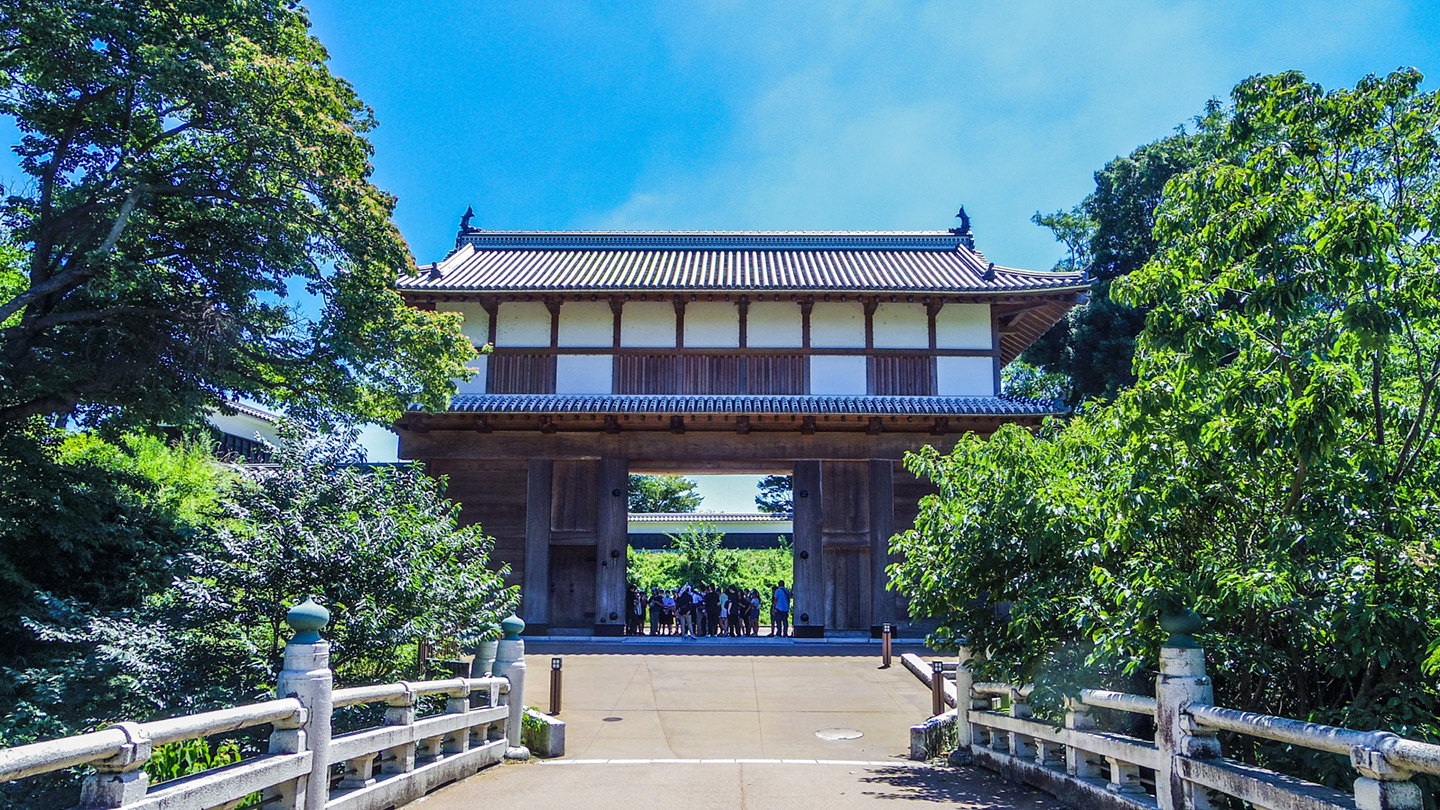
The Mito Castle Ruins offer a quiet but powerful glimpse into the samurai era of Japan. Once the seat of the influential Tokugawa clan’s Mito branch, much of the original castle no longer stands. However, remnants like the Otemon Gate and old stone walls still evoke the grandeur of the past. Today, the site includes school grounds and walking paths shaded by cherry blossoms in spring. It’s a great place for a leisurely stroll and reflection, especially if you enjoy combining history with a bit of urban exploration. For travelers interested in Japan’s feudal past, this is one of the more understated but meaningful things to do in Mito.
Visit Japan Web makes entering Japan easy — all in one place.
Prepare your entry procedures online before you travel.
Complete Quarantine, Immigration, and Customs forms smoothly with just a few taps.
Register anytime — before or during your trip — and simply show your QR code at the airport for a faster arrival.
Learn more about Visit Japan Web
Visit Japan Web makes entering Japan easy — all in one place.
Prepare your entry procedures online before you travel.
Complete Quarantine, Immigration, and Customs forms smoothly with just a few taps.
Register anytime — before or during your trip — and simply show your QR code at the airport for a faster arrival.
Learn more about Visit Japan Web
Lake Senba
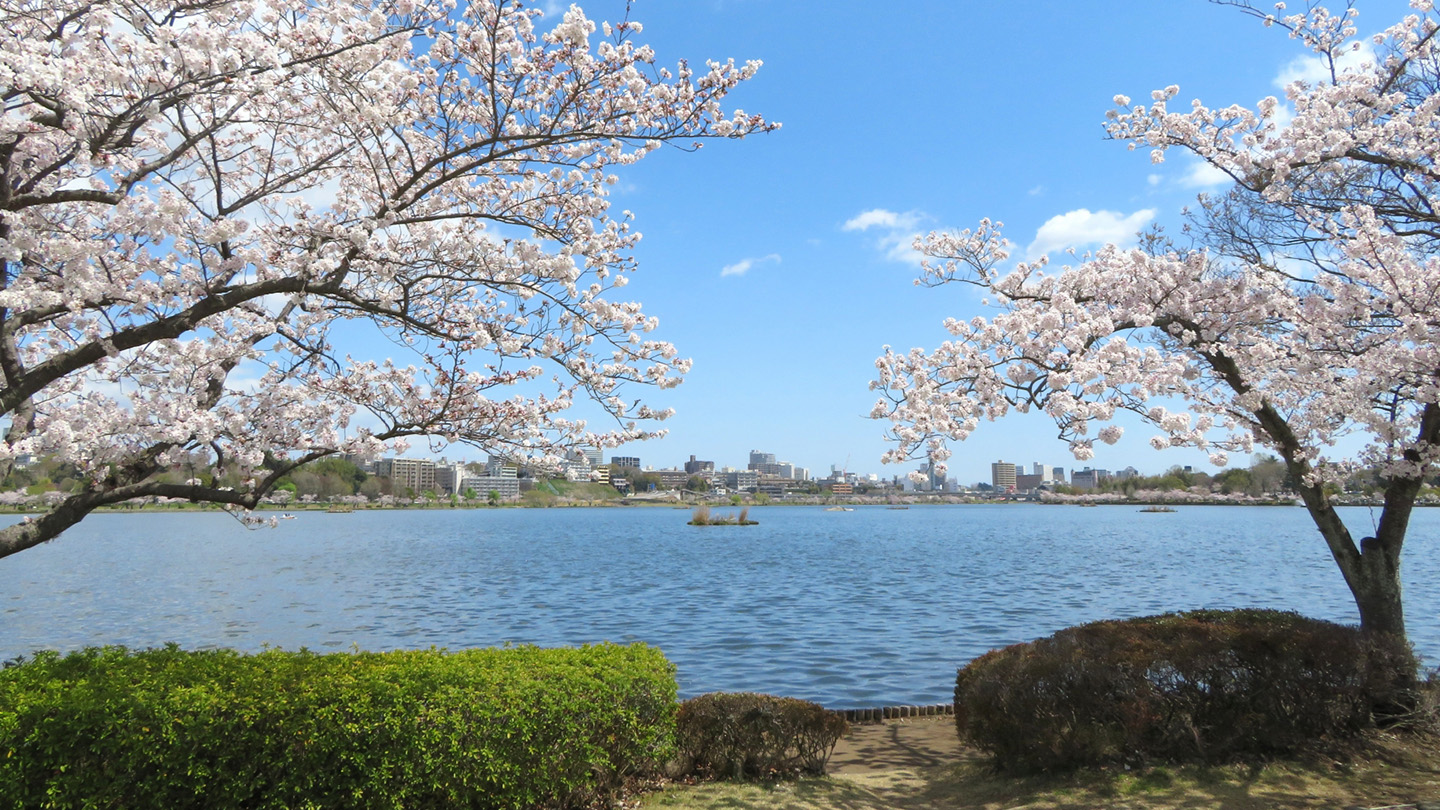
Lake Senba is a peaceful oasis in the heart of Mito, perfect for a mid-day break or sunset walk. The lake is surrounded by scenic walking and cycling paths, and it’s common to spot swans, ducks, and even black-headed gulls. With views of Kairakuen Garden nearby and seasonal cherry blossoms adding color in spring, it’s a favorite local hangout. You can also rent a paddleboat or enjoy snacks at nearby cafés. Whether you’re visiting Art Tower Mito or other downtown attractions, this tranquil spot is just a short walk away. It’s a great way to unwind while exploring things to do in Ibaraki.
Ibaraki Prefectural Museum of Modern Art
Located in the heart of Mito, the Ibaraki Prefectural Museum of Modern Art is a must for art lovers exploring Ibaraki. The museum features a wide collection of modern and contemporary Japanese art, including works by local and national artists. Visitors can enjoy seasonal exhibitions, sculpture gardens, and art events throughout the year. The riverside location adds a peaceful vibe, especially in spring when cherry blossoms bloom nearby. It’s easily accessible from central Mito, making it a great cultural break while discovering things to do in Ibaraki. Whether you’re into painting, sculpture, or just a quiet stroll among artworks, this spot offers a fresh perspective.
Howaen Garden
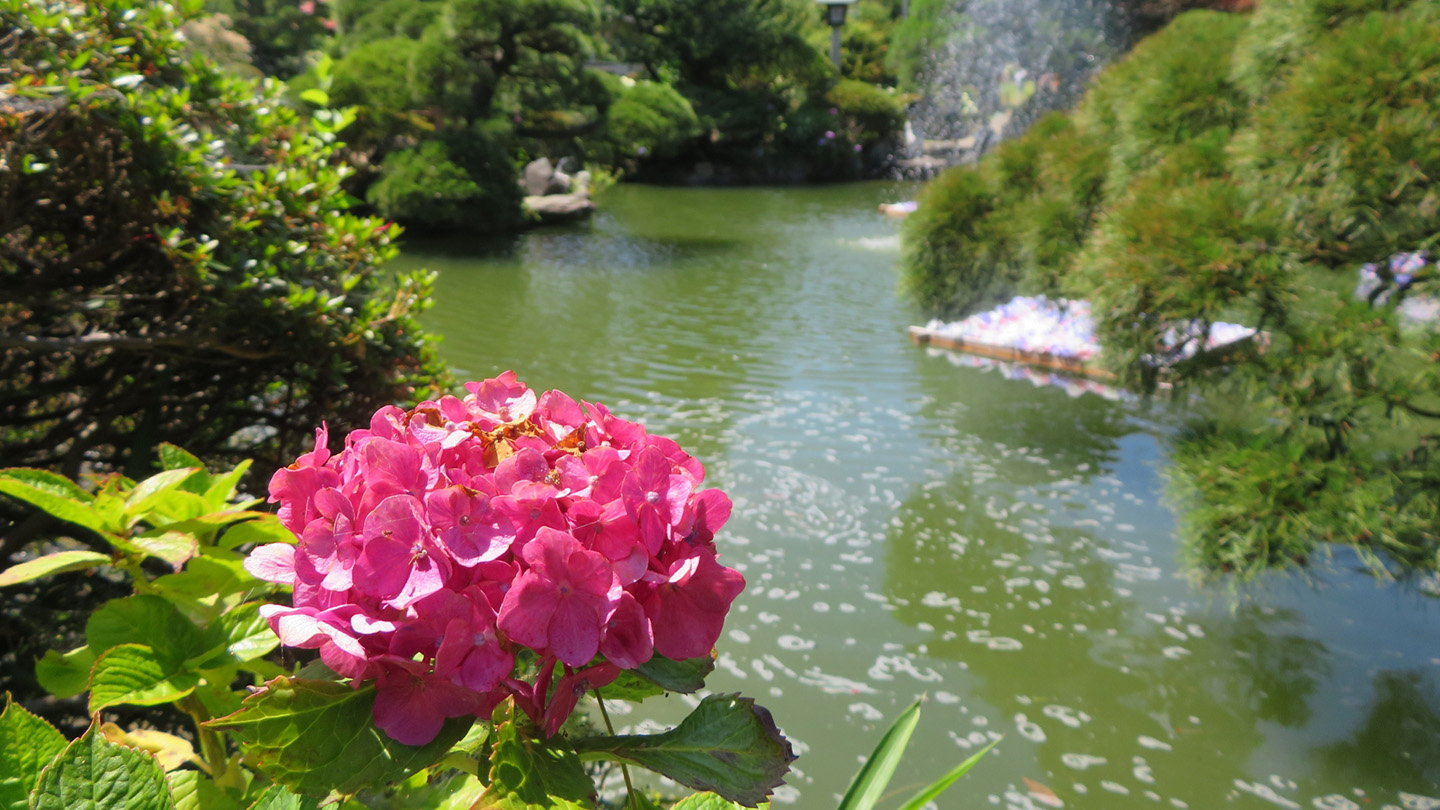
Howaen Garden is a tranquil Japanese garden tucked away in Mito, known for its carefully landscaped grounds and seasonal beauty. Originally part of the Tokugawa family’s retreat, the garden features a koi-filled pond, traditional teahouse, and walking paths that change character with the seasons—lush greens in summer, vibrant foliage in autumn, and plum blossoms in early spring. It’s a quiet place for reflection, often less crowded than larger parks. A visit to Howaen offers a moment of calm and a glimpse into the refined aesthetics of Japanese garden design. It pairs perfectly with nearby cultural spots like Tokiwa Shrine and the Tokugawa Museum.
Tokiwa Shrine
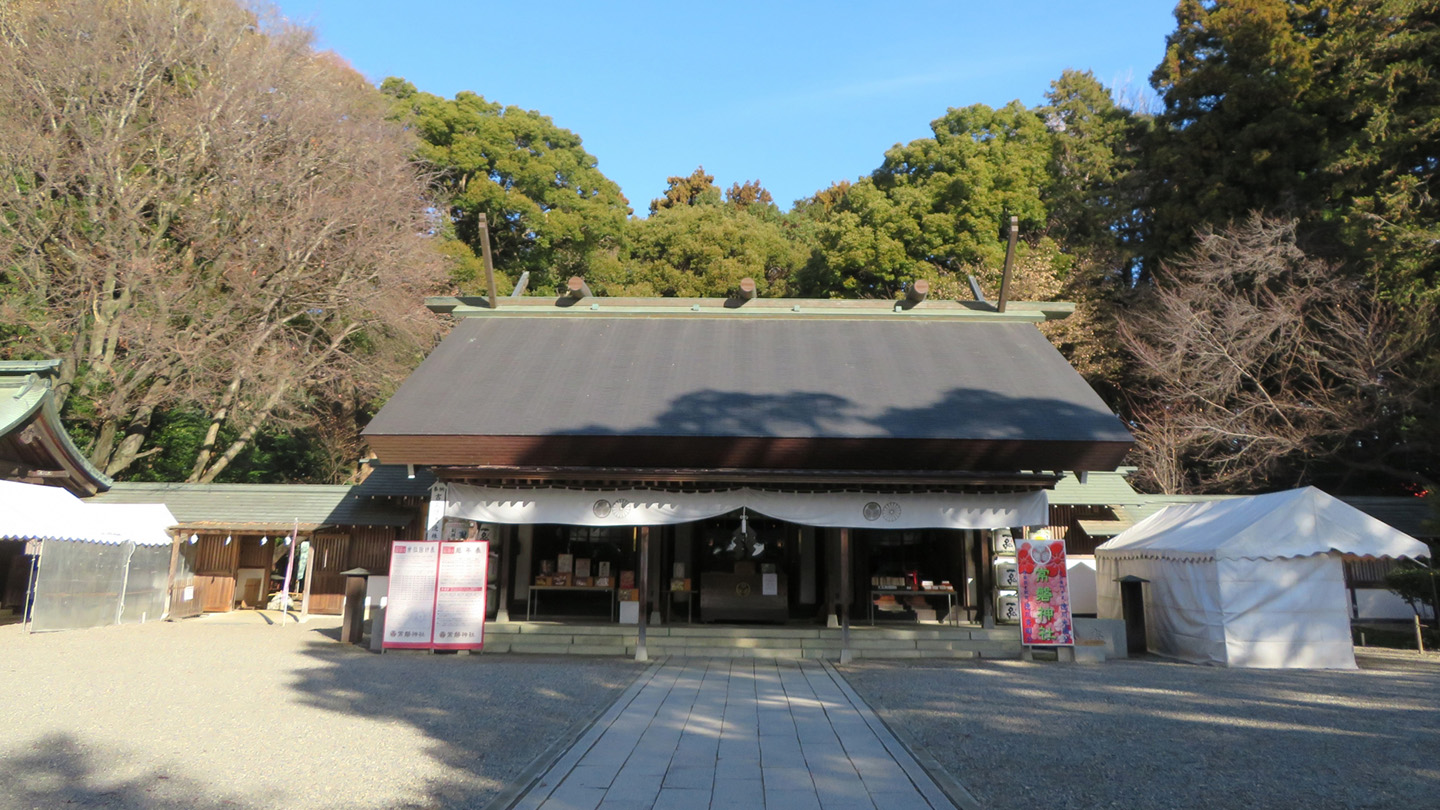
Overlooking the scenic Lake Senba, Tokiwa Shrine is a culturally important site dedicated to Tokugawa Mitsukuni and other key figures of the Mito Tokugawa clan. The shrine grounds offer a peaceful walk beneath tall trees and traditional structures, with seasonal highlights like plum blossoms in late winter. The adjacent area includes other Mito landmarks, making it a convenient stop on your journey through Ibaraki. History buffs will appreciate the deep connections to samurai-era politics and literature. Tokiwa Shrine is a meaningful addition to your list of things to do in Ibaraki, especially for those interested in the legacy of feudal Japan.
Ibaraki Prefectural Museum of History
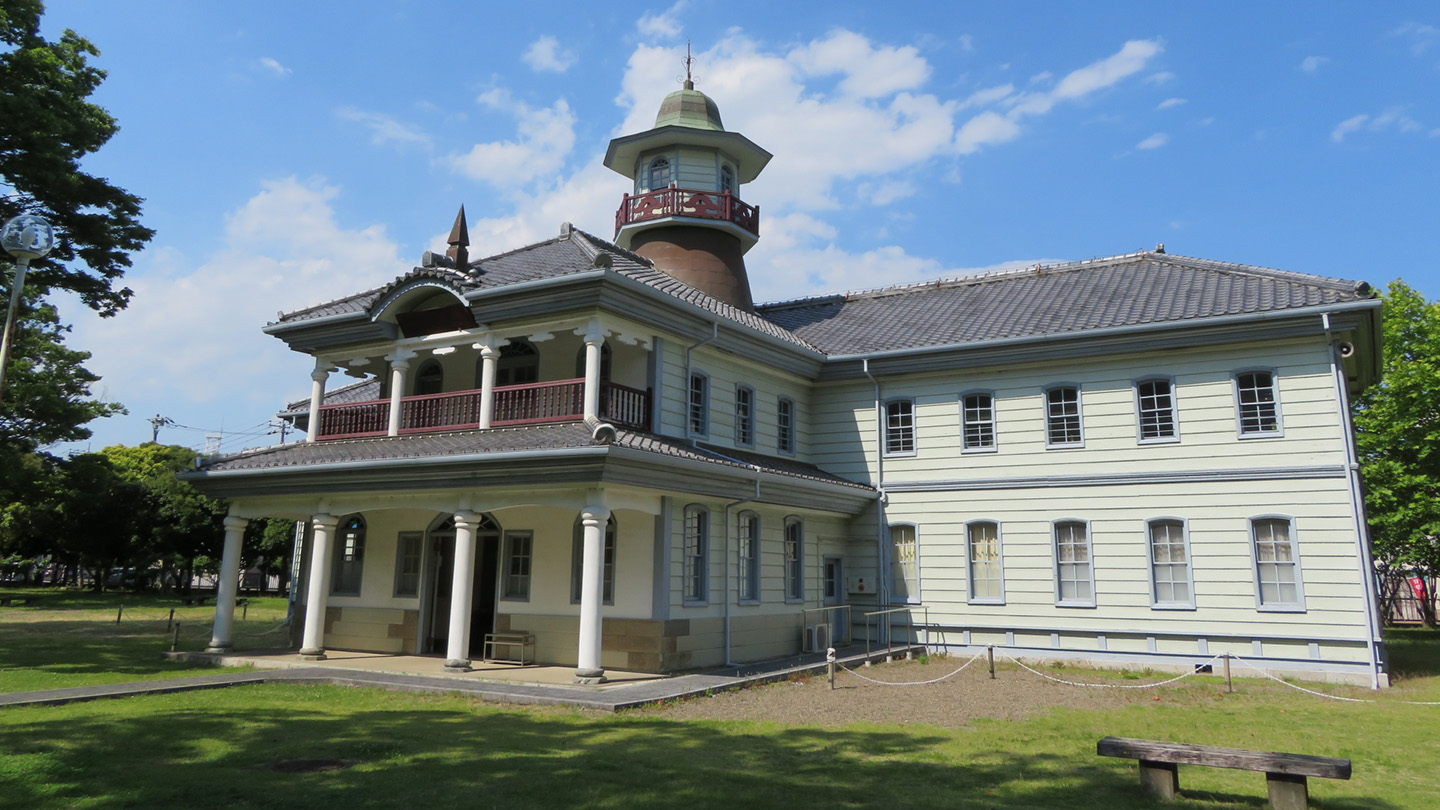
For travelers curious about local heritage, the Ibaraki Prefectural Museum of History offers a deep dive into the region’s past. Located in central Mito, the museum showcases artifacts, historical buildings, and interactive exhibits covering ancient times through the modern era. One highlight is the outdoor area featuring preserved traditional homes and a reconstructed samurai residence. The museum is family-friendly and offers English signage in many sections, making it accessible to international visitors. If you’re interested in the real stories behind modern-day Ibaraki, this museum is a fascinating place to start.
Tokugawa Museum
Home to one of Japan’s most important private collections, the Tokugawa Museum in Mito provides a rare look into the life and legacy of the powerful Tokugawa family. The exhibits include samurai armor, ancient scrolls, and personal belongings of Tokugawa Mitsukuni, a key historical figure known for scholarship and reform. The museum building itself is modern yet elegant, surrounded by tranquil gardens. A visit here complements other nearby attractions like Kairakuen Garden and Tokiwa Shrine. For anyone exploring things to do in Ibaraki with an interest in history, this museum offers a unique and in-depth experience.
List of Local Products and Traditional Crafts from Mito
Mito Ume (Plum Sweets)
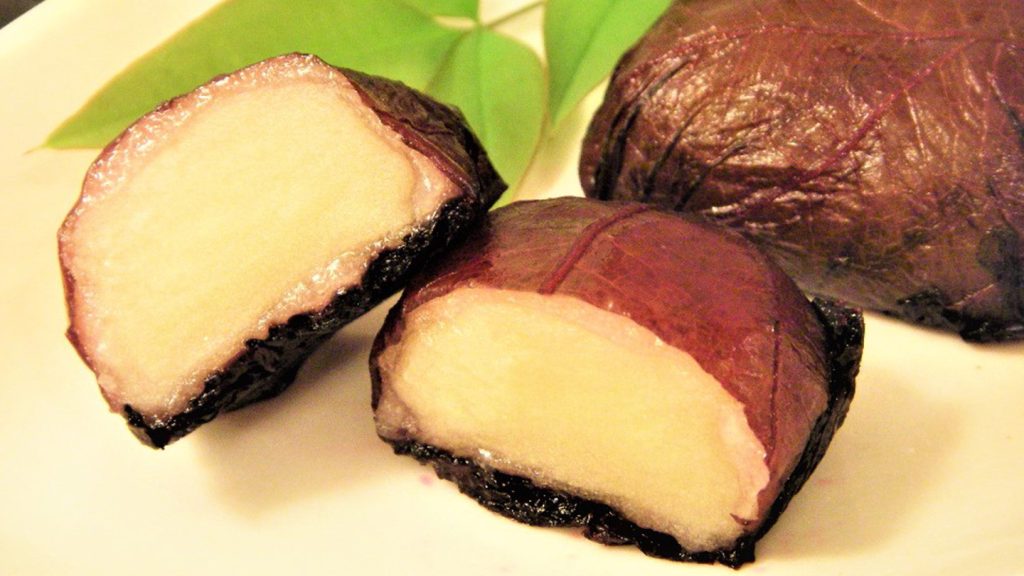
Mito Ume refers to a variety of plum-based sweets that highlight the region’s long history of ume (Japanese plum) cultivation. Mito is home to Kairakuen Garden, one of Japan’s most famous plum blossom viewing spots, with thousands of trees blooming each spring. The local ume are known for their balanced tartness and fragrance, which are preserved in treats like pickled plums, plum jelly, and sweetened ume paste. These delicacies are often enjoyed alongside green tea and are deeply tied to seasonal traditions. Learning about Mito’s plum culture offers a flavorful glimpse into the city’s refined sense of seasonal beauty.
Monkfish Hot Pot (Ankou Nabe)
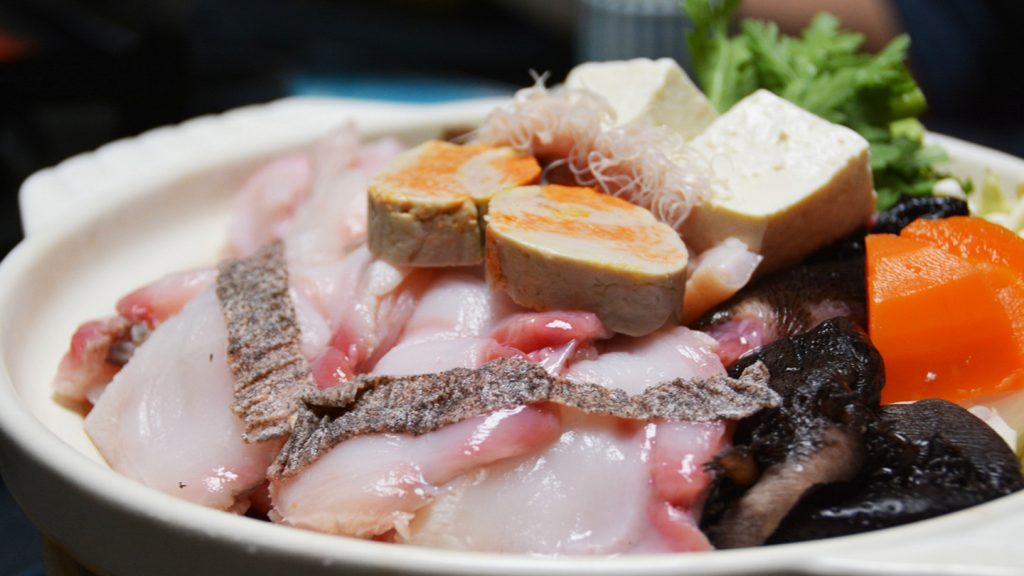
Ankou Nabe, or monkfish hot pot, is a winter specialty from the coastal areas of Ibaraki, including Mito. The dish features chunks of firm, gelatin-rich monkfish simmered in a miso or soy-based broth, along with vegetables and tofu. Known for its bold flavors and warming quality, it has long been a favorite in cold-weather dining. In Mito, special events are even held to celebrate this seasonal dish, emphasizing its place in local food culture. If you’re visiting during the colder months, discovering this hearty hot pot is one of those regional experiences that stays with you.
Hitachi Aki Soba
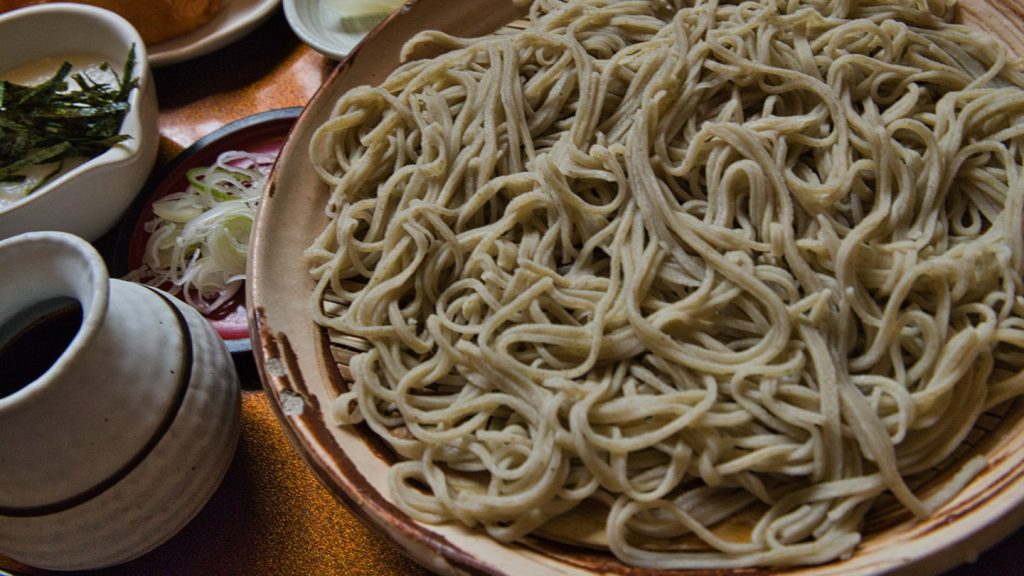
Hitachi Aki Soba is a premium buckwheat variety grown mainly in the northern part of Ibaraki but loved throughout the region, including Mito. Its name reflects the harvest season—“Aki” means autumn in Japanese—and the noodles made from this soba are known for their nutty aroma and smooth texture. Served hot or cold, depending on the season, Hitachi Aki Soba pairs well with dipping sauces or light broth, offering a simple yet refined dining experience. It’s often enjoyed at local soba restaurants, where you can appreciate the connection between climate, soil, and flavor in Ibaraki’s food traditions.