


Top Attractions in Tsuruoka for Sightseeing
How to Use the Map
Click on a destination to see a list of events in the area. Zoom in/out to zoom in/out on the map.
Keyboard shortcut: ← Move Left/→ Move Right/↑ Move Up/↓ Move Down/+ Zoom In/- Zoom Out
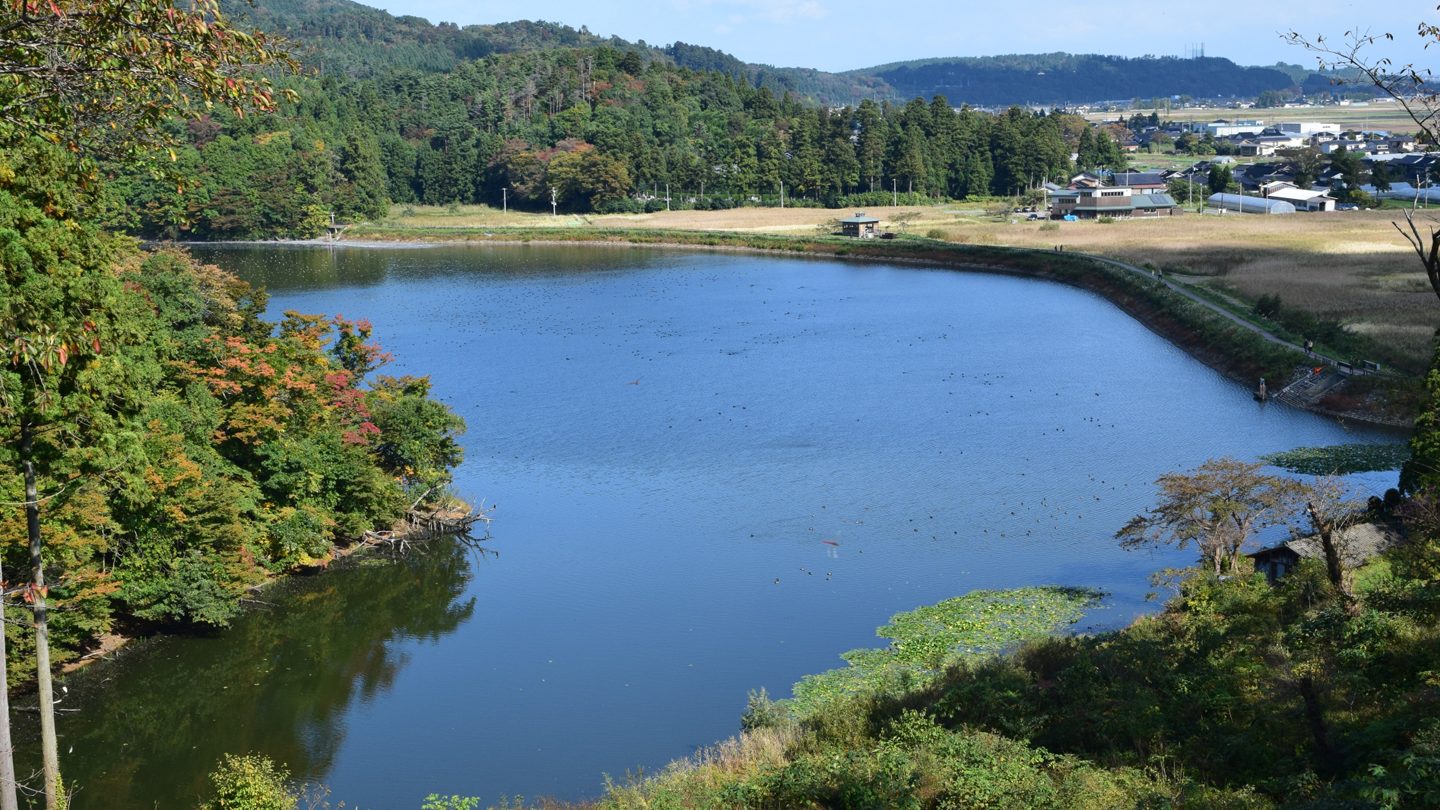
Nestled along the Sea of Japan in Yamagata Prefecture, Tsuruoka is a hidden gem rich in nature, spirituality, and tradition. One of its most iconic attractions is the Three Sacred Mountains of Dewa—Mount Haguro, Mount Gassan, and Mount Yudono—where visitors can explore ancient pilgrimage routes, moss-covered stone steps, and centuries-old temples. These sacred mountains offer not only breathtaking views but also a spiritual retreat, making Tsuruoka a unique destination for nature lovers and culture seekers alike. Tsuruoka is also Japan’s only designated UNESCO Creative City of Gastronomy, thanks to its deep-rooted food culture. Don’t miss local delicacies like dadacha-mame (green soybeans), Shonai rice, and dishes using seasonal wild vegetables from the mountains. These ingredients reflect the region’s rich biodiversity and its harmony with nature. Seasonally, Tsuruoka transforms—from the snowy serenity of winter temples to lush summer trails and brilliant autumn foliage. It’s accessible via Shonai Airport and the JR Uetsu Line, making travel convenient for those exploring Tohoku travel routes. For travelers seeking off-the-beaten-path adventures, Tsuruoka offers a perfect balance of natural beauty, historical depth, and authentic Japanese cuisine. It’s a destination where every season tells a story.
Recommended Local Products and Traditional Crafts in Tsuruoka
Dadacha Beans
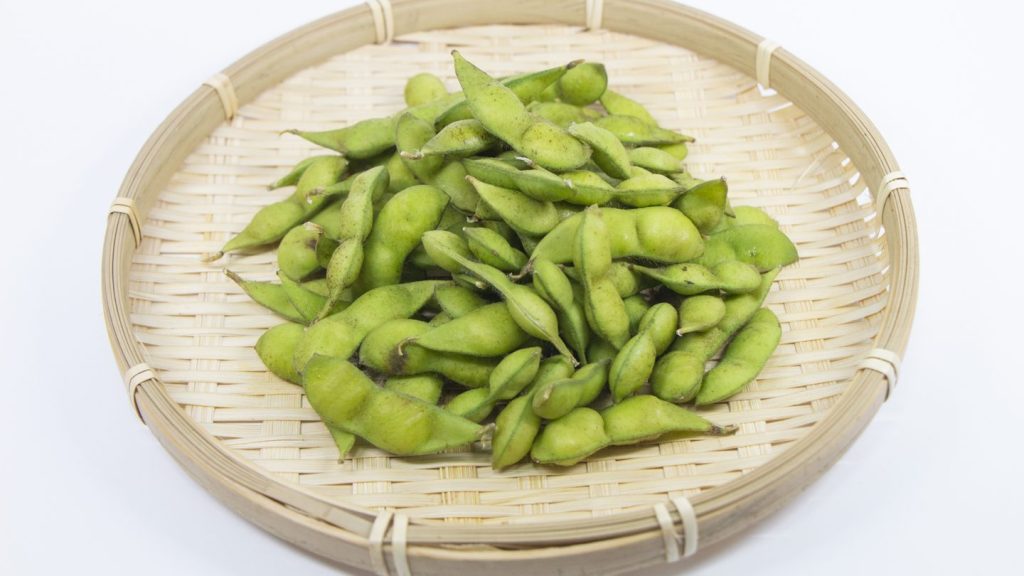
Tucked away in the scenic coastal city of Tsuruoka in Yamagata Prefecture, Dadacha Beans are a rare and beloved local specialty that’s deeply tied to the region’s food culture. These green soybeans, known for their rich aroma and naturally sweet, nutty flavor, are often described as the “king of edamame” in Japan. Grown exclusively in the fertile Shonai region, Dadacha Beans benefit from the area’s unique climate—warm days and cool nights—which enhances their taste and texture. Typically enjoyed freshly boiled with a sprinkle of sea salt, Dadacha Beans are a summer delicacy and can be found in everything from seasonal side dishes to ice cream and snacks at local markets. For those exploring Yamagata food culture or looking for local specialties in Tsuruoka, these beans offer a perfect taste of Japan’s agricultural heritage. If you’re planning Tsuruoka travel during late summer, don’t miss the chance to try this limited-time favorite that locals eagerly await each year.
Explore Tsuruoka: Top Spots and Must-Know Topic
Kamo Aquarium
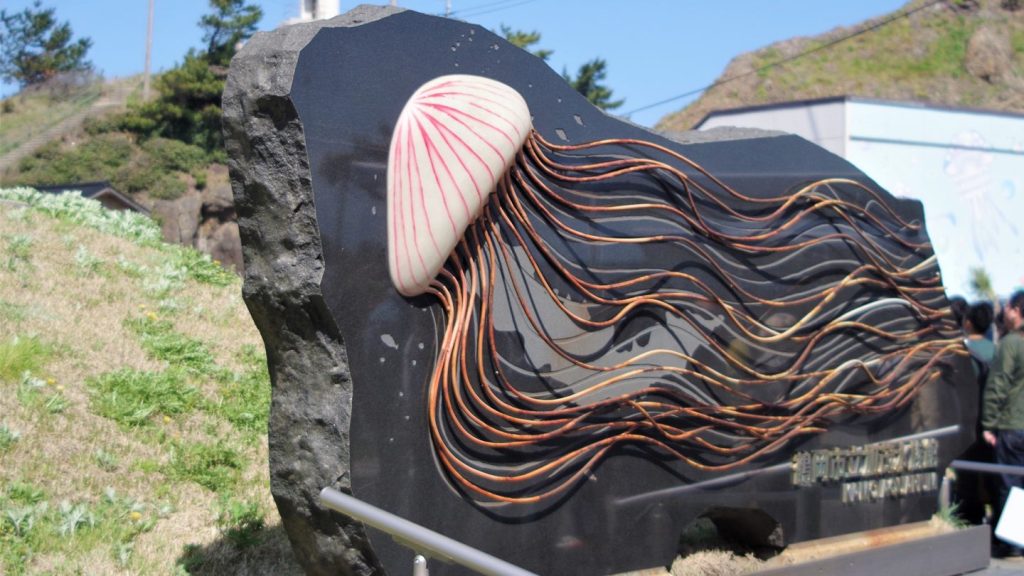
Located along the coast of Tsuruoka in Yamagata Prefecture, Kamo Aquarium is home to the world’s largest collection of jellyfish. This unique aquarium showcases over 60 species in mesmerizing, softly lit displays that create a dreamlike atmosphere. One of the highlights is the Jellyfish Dream Theater, a massive tank filled with gently floating jellyfish—perfect for photos or quiet reflection. The aquarium also features local marine life and interactive exhibits, making it popular with visitors of all ages. Whether you’re looking for things to do in Tsuruoka or planning a family-friendly stop in Yamagata travel, Kamo Aquarium offers a surprising and peaceful marine experience.
Five-storied Pagoda of Mt. Haguro
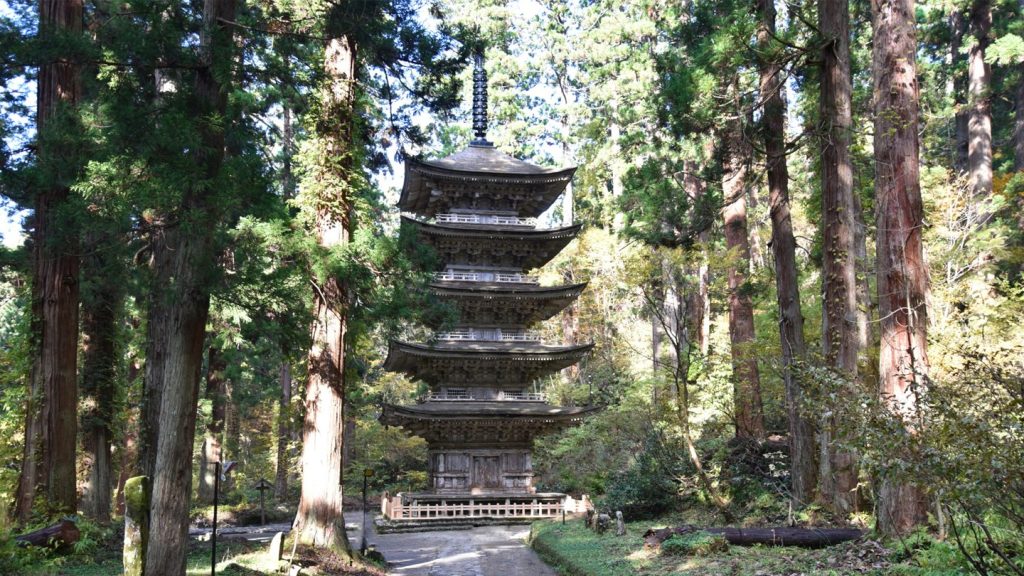
Hidden within the cedar forests of Mt. Haguro, the Five-storied Pagoda is a national treasure and a symbol of spiritual Japan. Dating back over 600 years, this wooden pagoda blends seamlessly with its natural surroundings and offers a glimpse into the mountain’s deep religious heritage. The serene trail to the pagoda is lined with towering trees and is especially magical in autumn when the leaves turn red and gold. Accessible from central Tsuruoka, this spot is part of the Dewa Sanzan pilgrimage route and a must for anyone interested in traditional culture and spiritual exploration during their Yamagata journey.
Dewa Sanzan Shrines
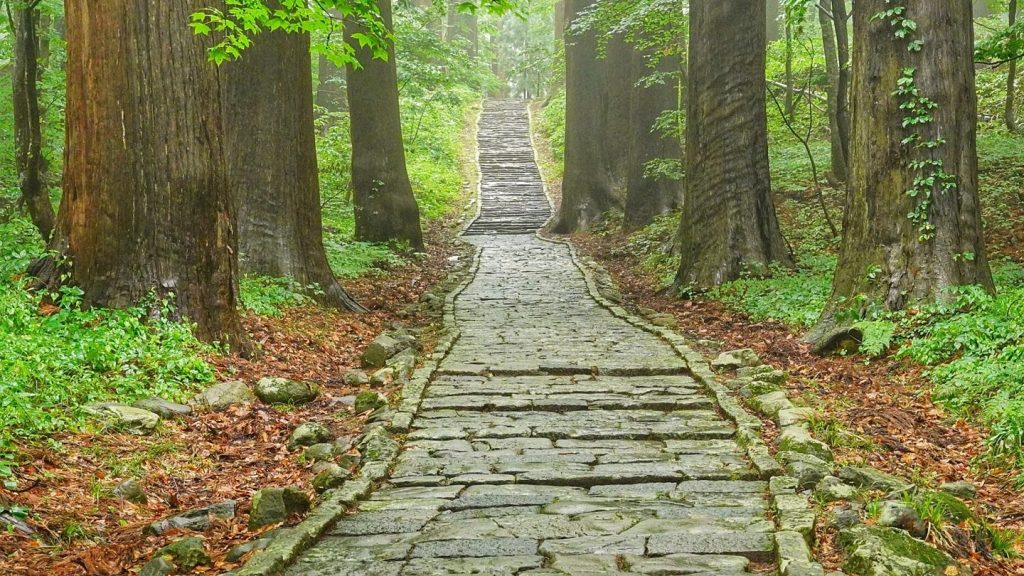
The Dewa Sanzan Shrines—Mount Haguro, Mount Gassan, and Mount Yudono—represent birth, death, and rebirth in ancient Japanese mountain worship. These sacred peaks have been visited by pilgrims for centuries, offering a deeply spiritual experience and a connection to nature. Mount Haguro is accessible year-round, while Gassan and Yudono are best visited in summer due to snow. Each shrine has its own atmosphere, from moss-covered stone steps to mountain springs and mystical forests. If you’re looking to experience the spiritual side of Yamagata travel, the Dewa Sanzan route offers a rare and moving perspective into Japan’s cultural roots.
Yunohama Onsen
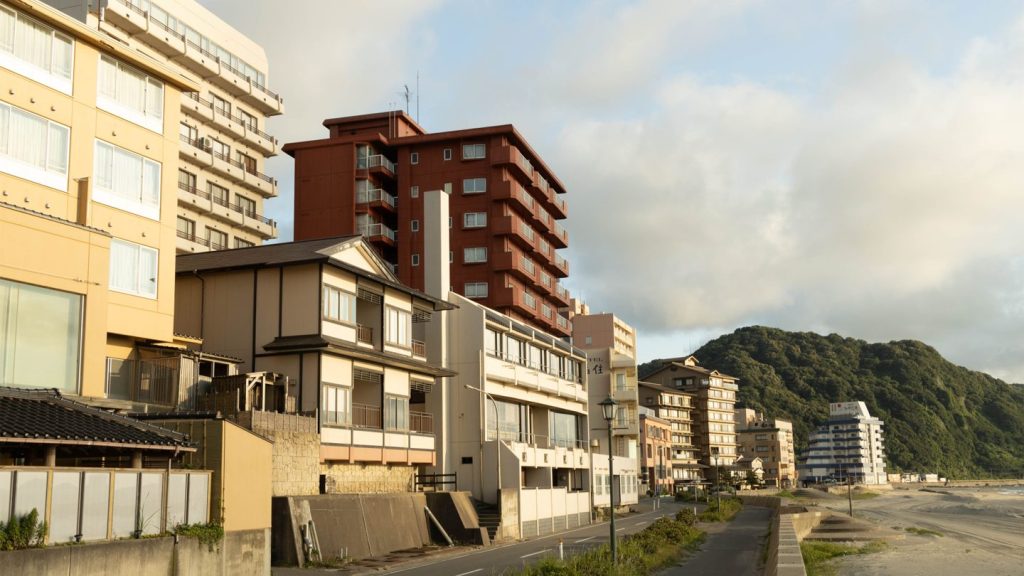
Overlooking the Sea of Japan, Yunohama Onsen is a peaceful seaside hot spring town perfect for unwinding after a day of sightseeing. Known for its mineral-rich waters and oceanfront views, it’s especially beautiful at sunset when the sky glows over the waves. Many ryokan and public baths offer traditional tatami rooms and fresh local seafood, making it an ideal overnight stop during your Yamagata travel. The onsen has a long history dating back to the Edo period and remains a favorite among locals and visitors alike. Whether you visit in summer or winter, Yunohama offers comfort with a coastal charm.
Visit Japan Web makes entering Japan easy — all in one place.
Prepare your entry procedures online before you travel.
Complete Quarantine, Immigration, and Customs forms smoothly with just a few taps.
Register anytime — before or during your trip — and simply show your QR code at the airport for a faster arrival.
Learn more about Visit Japan Web
Visit Japan Web makes entering Japan easy — all in one place.
Prepare your entry procedures online before you travel.
Complete Quarantine, Immigration, and Customs forms smoothly with just a few taps.
Register anytime — before or during your trip — and simply show your QR code at the airport for a faster arrival.
Learn more about Visit Japan Web
Chido Museum
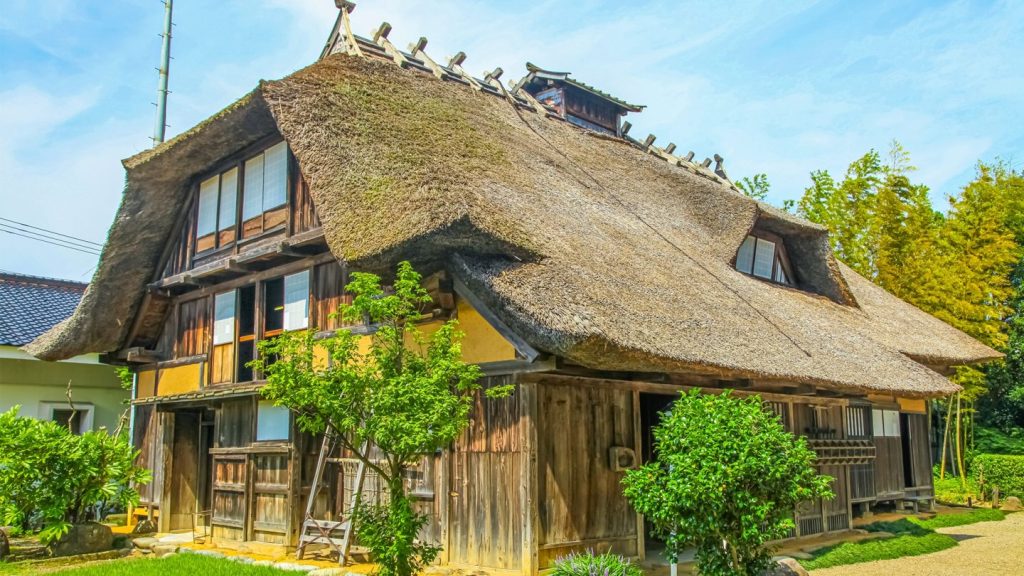
Located in the heart of Tsuruoka, the Chido Museum offers a fascinating look into the lifestyle of the samurai class and regional culture. Housed in a former feudal lord’s residence, the museum features historical buildings, traditional gardens, and exhibits of armor, textiles, and folk crafts. Seasonal highlights include cherry blossoms in spring and traditional festivals held on the grounds. It’s just a short walk from Tsuruoka Station, making it an easy and rewarding cultural stop. For travelers interested in local history and everyday life in Japan’s past, Chido Museum is a meaningful addition to any Yamagata travel itinerary.
Studio Sedic Shonai Open Set
Located in Tsuruoka, Yamagata, Studio Sedic Shonai Open Set brings Japanese period dramas to life. Originally built as a film set for historical movies, this outdoor village recreates streets, homes, and shops from the Edo period. Visitors can stroll through the set dressed in kimono or samurai costumes, making it a fun and immersive experience for all ages. The site is surrounded by beautiful countryside, and the scenery changes dramatically with the seasons—cherry blossoms in spring and colorful foliage in autumn. It’s one of the more unique things to do in Yamagata, especially for movie fans or anyone interested in Japanese history and culture.
Yutagawa Onsen
Yutagawa Onsen is a tranquil hot spring village nestled in the mountains of Tsuruoka, Yamagata. Known for its healing waters and peaceful atmosphere, this onsen town has welcomed visitors for centuries. Many of the inns are family-run, offering warm hospitality and traditional meals using local ingredients. Yutagawa is particularly beautiful in winter, when snow-covered streets create a serene, postcard-like setting. Despite its quiet vibe, it’s just a short drive from central Tsuruoka, making it an ideal detour during your trip. For travelers looking to unwind, this onsen offers a perfect escape from the usual sightseeing.
Zenpōji Temple
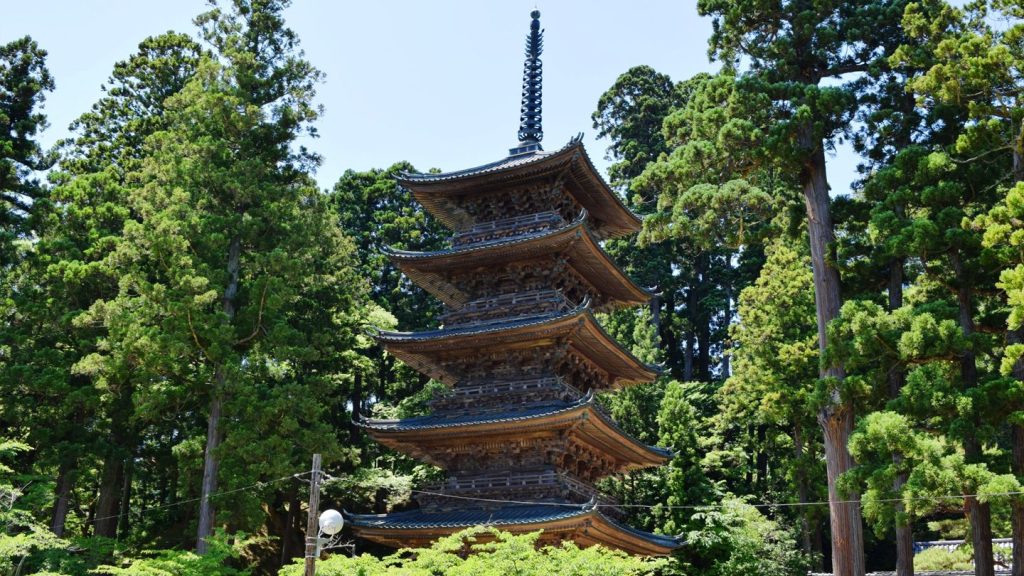
Zenpōji Temple is one of the Three Great Soto Zen Temples in Japan, offering both historical depth and spiritual serenity. Located in Tsuruoka, Yamagata, the temple complex features a five-story pagoda, peaceful gardens, and halls where monks continue their daily training. It’s open to the public, and visitors are welcome to explore the grounds or join meditation sessions. Surrounded by forested hills, the temple is especially atmospheric in autumn, when the leaves turn brilliant shades of red and gold. If you’re seeking quiet, reflective things to do in Yamagata, Zenpōji offers a meaningful experience rooted in centuries of tradition.
Former Kazama Family Residence
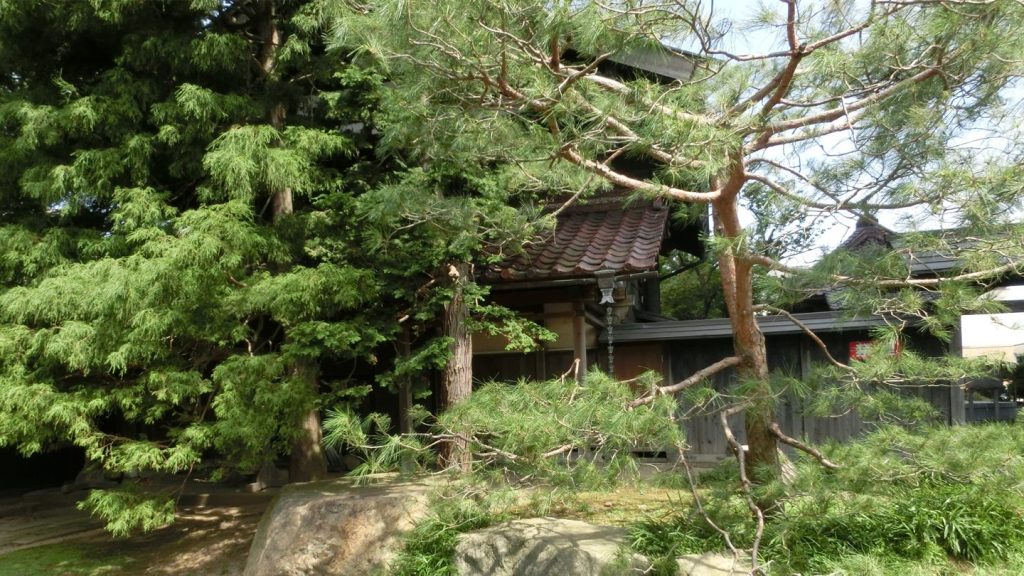
The Former Kazama Family Residence in Tsuruoka is a beautifully preserved samurai home that dates back to the late Edo period. The Kazama family served as local officials, and their residence reflects the architecture and lifestyle of upper-class samurai. Visitors can explore the spacious rooms, tatami interiors, and peaceful garden while learning about the history of the region. It’s a short walk from downtown Tsuruoka, making it easy to combine with other attractions. This site is a great way to experience everyday life from a bygone era and adds a cultural layer to your Yamagata travel adventure.
Ōyama Park
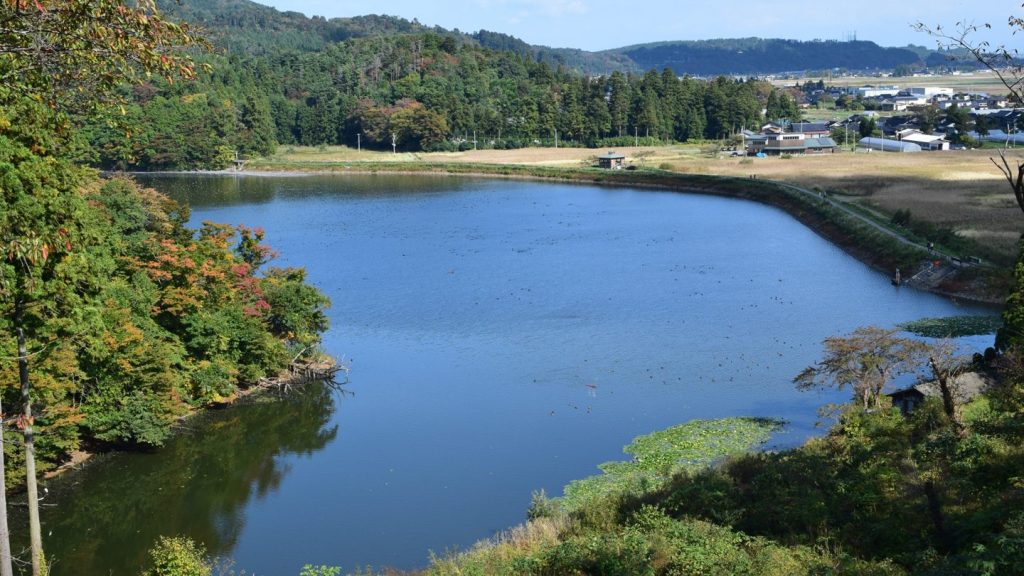
Ōyama Park is a popular local spot known for its seasonal charm. In spring, the park comes alive with cherry blossoms, attracting visitors for hanami picnics under the blooming trees. In summer and autumn, the spacious grounds are perfect for walks and casual outdoor activities, while winter adds a quiet, snow-covered beauty. The park also features a small shrine and views of nearby mountains, giving it a peaceful, scenic vibe year-round. Located near residential areas, it’s a favorite among locals, but travelers looking for relaxed, authentic things to do in Tsuruoka will also appreciate its charm.
List of Local Products and Traditional Crafts from Tsuruoka
Shonai Persimmons
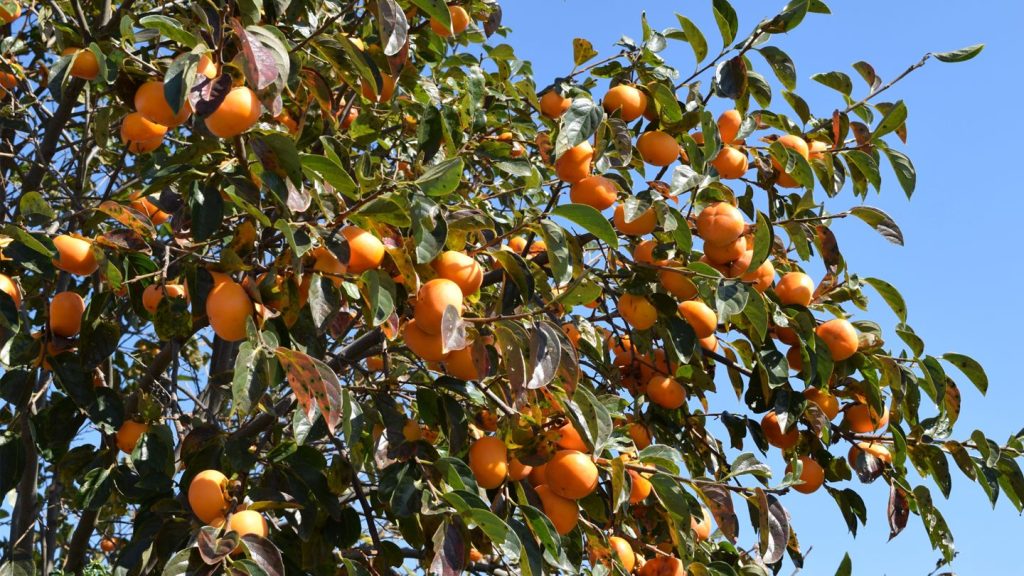
Shonai persimmons are a flat, seedless, square-shaped variety of persimmon cultivated in the Shonai region, centered around Tsuruoka City, Yamagata Prefecture. Known for their soft, melting texture and just the right amount of sweetness, they are popular for eating fresh, as well as for making dried persimmons and sweets. In autumn, the sight of fields turning orange with persimmons is a beloved seasonal tradition. Highly valued as a gift, this fruit is deeply rooted in Tsuruoka’s food culture.
Atsumi Turnip
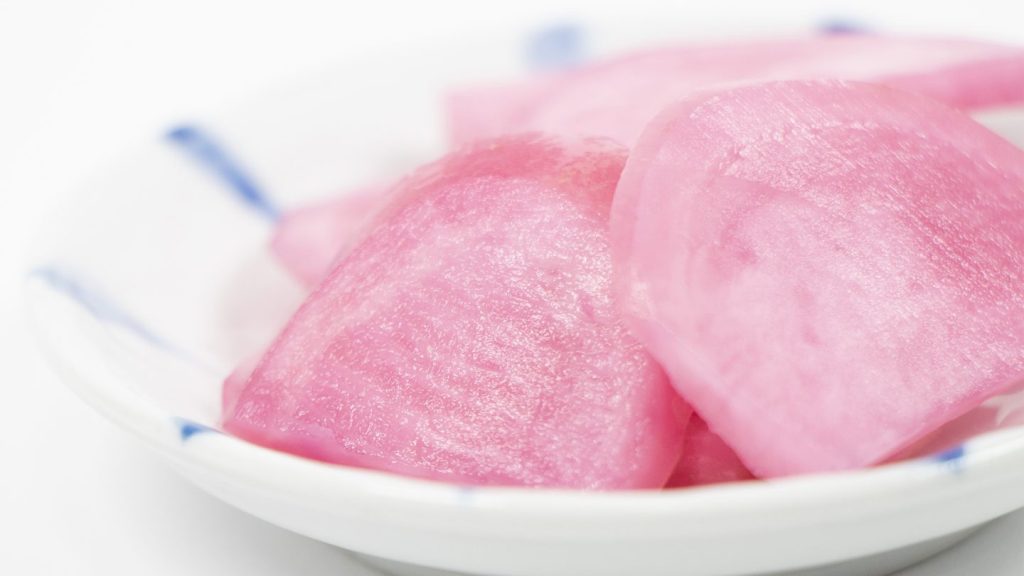
The Atsumi turnip, grown in the coastal mountains of Tsuruoka, is known for its vibrant pink skin and crunchy texture. Often pickled in a traditional fermentation process, it takes on a slightly tangy, mellow flavor that pairs perfectly with rice or sake. Cultivated for centuries in the Atsumi area, this heirloom vegetable reflects the deep agricultural heritage of the region. It’s harvested in late autumn and often enjoyed through the winter, offering both nutrition and cultural continuity. Learning about this local specialty gives insight into the careful, seasonal food traditions of Yamagata.
Sasamaki (Mochi Wrapped in Bamboo Leaves)
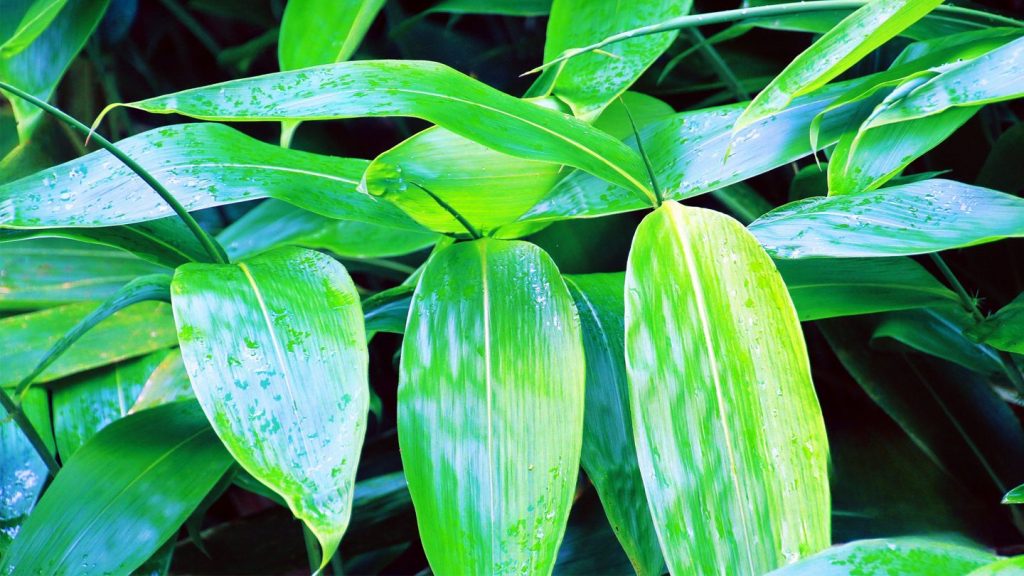
Sasamaki is a traditional sweet made of sticky rice wrapped in fragrant bamboo leaves, popular in the Tsuruoka area, especially around early summer. Steamed to perfection, these triangle-shaped treats are soft and subtly flavored, with a gentle earthiness from the bamboo. They’re often made by hand during local festivals or family gatherings, passed down through generations as part of seasonal customs. Sasamaki not only reflects the connection between food and nature in Japanese culture, but also showcases how simple ingredients can carry deep cultural meaning—especially in a region as food-rich as Tsuruoka.