


Top Attractions in Sakata for Sightseeing
How to Use the Map
Click on a destination to see a list of events in the area. Zoom in/out to zoom in/out on the map.
Keyboard shortcut: ← Move Left/→ Move Right/↑ Move Up/↓ Move Down/+ Zoom In/- Zoom Out
Sakata, located on the Sea of Japan coast in Yamagata Prefecture, is a port town that once flourished as a major stop for Kitamaebune trading ships, and it still has a strong sense of history and culture. The **Sankyo Soko rice warehouses**, a nationally designated Important Cultural Property, are a popular tourist spot in Sakata. Surrounded by a row of zelkova trees, these historic storehouses are a picturesque highlight. The city is also dotted with filming locations for the movie “Departures,” attracting many film fans. Don’t miss out on Sakata’s delicious food, thanks to its proximity to the sea. You can enjoy flavors unique to Sakata, such as sushi with fresh seasonal seafood and the local dish “mukisoba” (shelled soba). The beautiful seasonal scenery is another draw. You can see a different side of the city throughout the year, from cherry blossoms in spring and the ocean in summer to colorful autumn leaves and a snowy winter landscape. With its blend of history, nature, and food, Sakata’s tourist spots promise a memorable trip.
Recommended Local Products and Traditional Crafts in Sakata
Shonai Rice
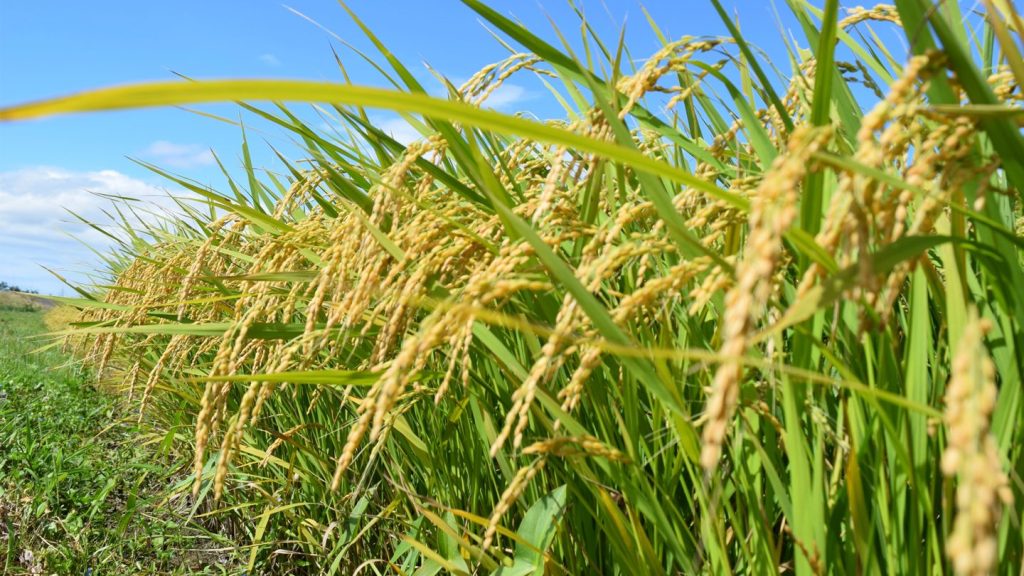
Sakata, Yamagata|Shonai Rice Nestled along the Sea of Japan, Sakata in Yamagata Prefecture is known for its lush fields and rich agricultural tradition—and at the heart of it is Shonai Rice. Grown in the fertile plains of the Shonai region, this premium rice variety is celebrated for its plump grains, delicate sweetness, and fluffy texture when cooked. Thanks to the area’s clear mountain water, cool climate, and long-established farming techniques, Shonai Rice has earned a reputation as one of Yamagata’s finest local specialties. Whether served as plain steamed rice or featured in local dishes like sushi or donburi bowls, Shonai Rice is a staple of Yamagata food culture. It’s not just a daily essential—it’s a source of local pride passed down through generations. For travelers exploring Yamagata travel highlights or looking for authentic regional flavors, tasting this rice offers a warm and wholesome introduction to Shonai’s culinary heritage. If you’re diving into local specialties in Yamagata, Shonai Rice is a flavorful stop on your journey.
Explore Sakata: Top Spots and Must-Know Topic
Sankyo Warehouses
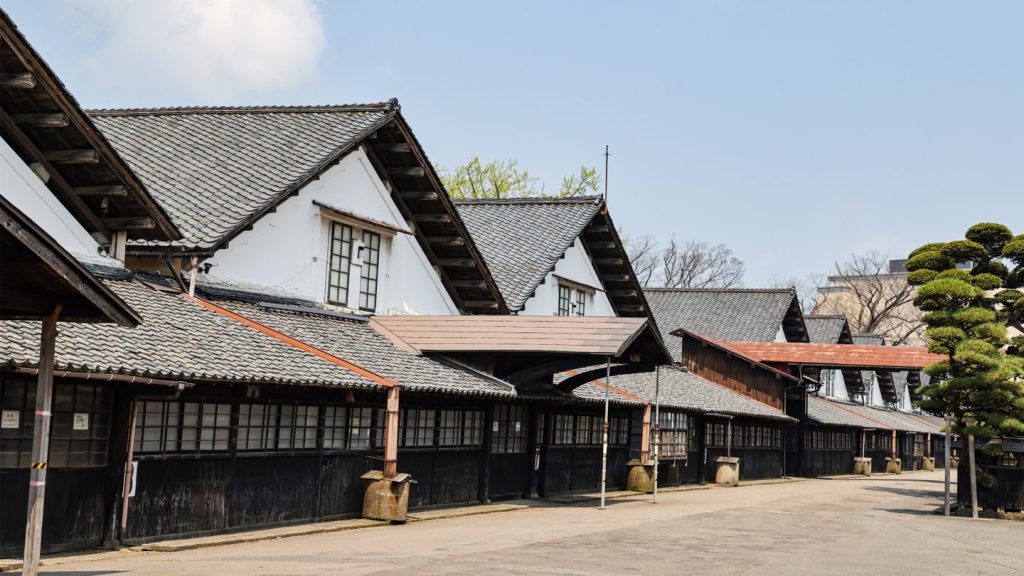
The Sankyo Warehouses are a symbol of Sakata’s prosperous history as a major rice trading port during the Edo period. These traditional storehouses, lined up along a canal and shaded by zelkova trees, were built in 1893 and are still in use today. Visitors can explore a museum inside one of the buildings to learn about rice storage techniques, local culture, and the shipping industry that once connected Sakata to Osaka. The surrounding area also offers charming shops and scenic photo spots, especially in spring and autumn. For those looking to discover things to do in Yamagata, this peaceful riverside walk brings the past to life.
Hiyoriyama Park
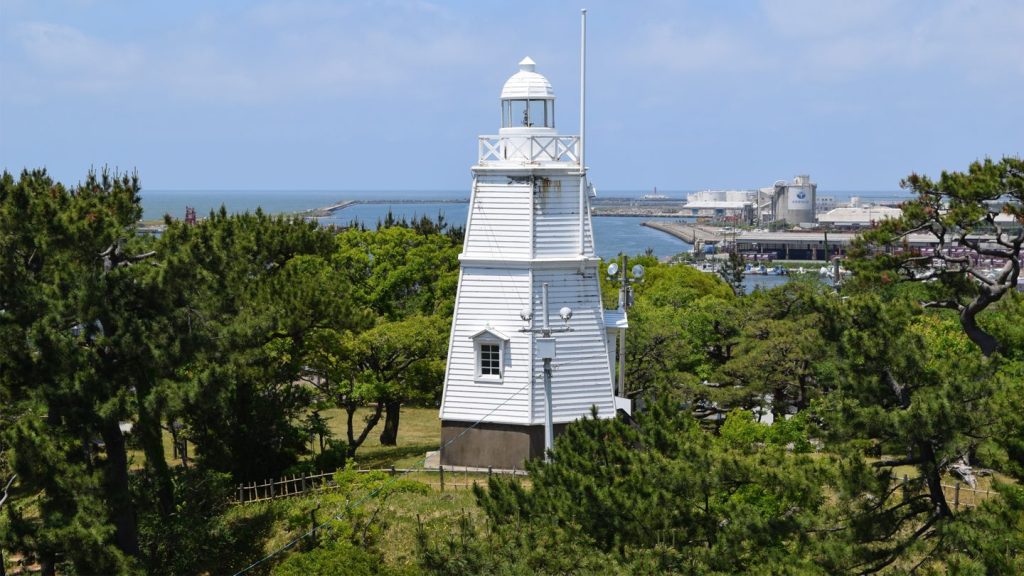
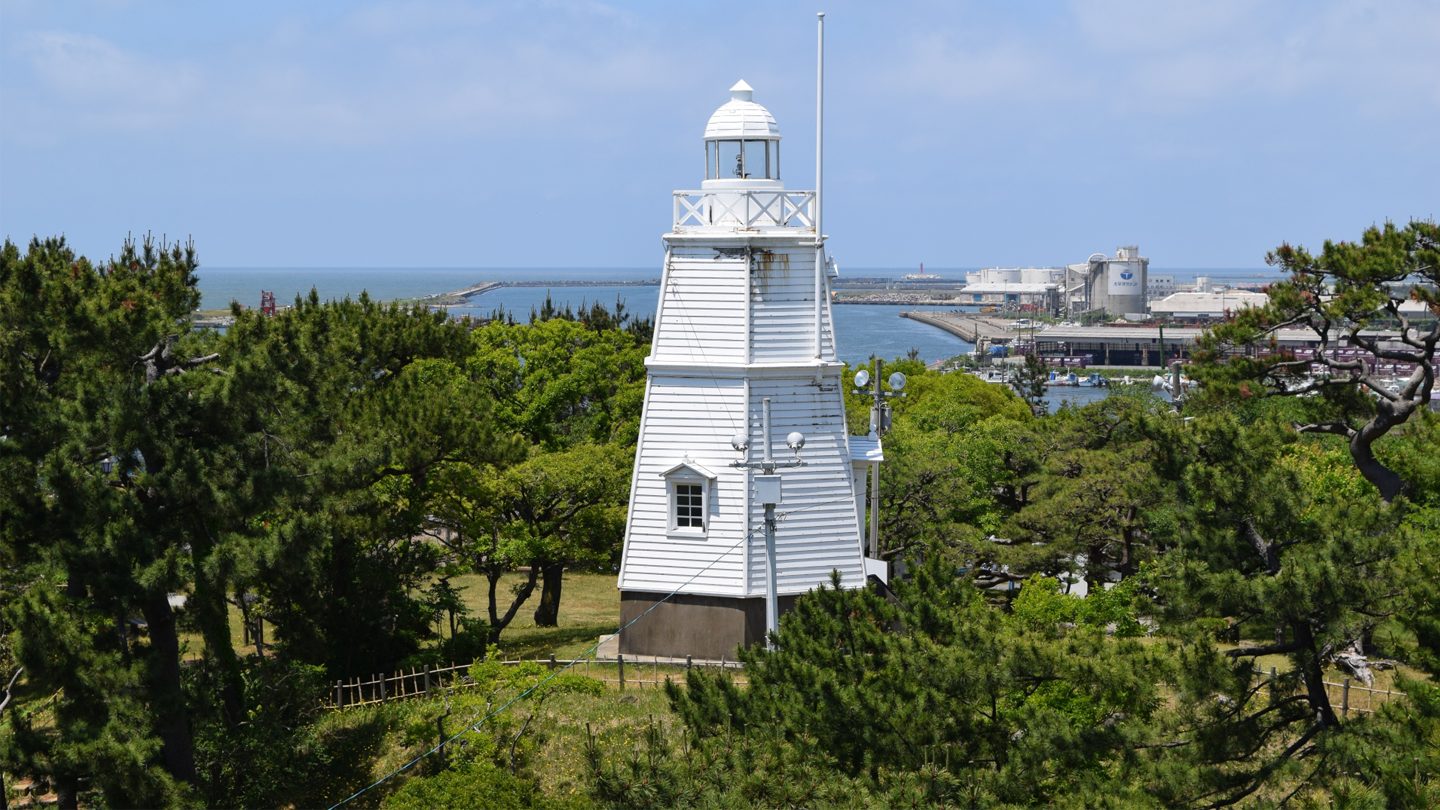
Perched on a hill overlooking the Sea of Japan, Hiyoriyama Park is a relaxing spot that combines beautiful views with maritime history. The park was once used by sailors to forecast the weather before setting sail, and a replica wooden lighthouse and compass monument still stand today. Cherry blossoms in spring make it especially popular for hanami (flower viewing). You’ll also find quiet paths, sculptures, and a small shrine within the grounds. Just a short walk from central Sakata, it’s a great spot to take a break and soak in the local atmosphere while exploring things to do in Sakata.
Kaikoji Temple (Mummy Buddhas)
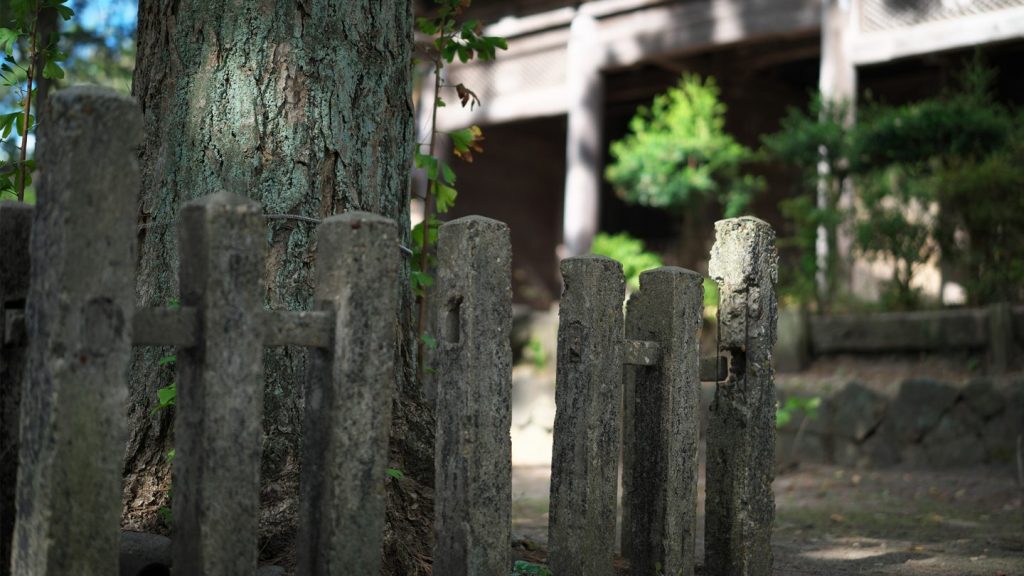
Kaikoji Temple – Home of the Mummified Monks Kaikoji Temple offers one of the most unique and mysterious sights in Yamagata: the Mummy Buddhas, or Sokushinbutsu. These are real Buddhist monks who practiced extreme asceticism and self-mummification as a path to enlightenment. Two preserved figures are enshrined here, and the temple provides explanations (in English) about their spiritual journey and the rare tradition behind it. Tucked away in a quiet neighborhood, the temple has a peaceful, reflective atmosphere and is best visited in the morning. It’s a fascinating cultural experience for those looking to explore beyond typical tourist routes in Sakata.
Visit Japan Web makes entering Japan easy — all in one place.
Prepare your entry procedures online before you travel.
Complete Quarantine, Immigration, and Customs forms smoothly with just a few taps.
Register anytime — before or during your trip — and simply show your QR code at the airport for a faster arrival.
Learn more about Visit Japan Web
Visit Japan Web makes entering Japan easy — all in one place.
Prepare your entry procedures online before you travel.
Complete Quarantine, Immigration, and Customs forms smoothly with just a few taps.
Register anytime — before or during your trip — and simply show your QR code at the airport for a faster arrival.
Learn more about Visit Japan Web
Former Honma Residence
Step into the world of Edo-period elite at the Former Honma Residence, once the home of the Honma family—one of Japan’s wealthiest merchant families. The residence is beautifully preserved, with tatami rooms, sliding doors, and elegant gardens that showcase refined Japanese aesthetics. Visitors can learn about the family’s influence on Sakata’s development through exhibits and guided explanations. The seasonal beauty of the garden, especially during cherry blossom and autumn foliage periods, adds to the charm. Conveniently located in central Sakata, it’s a great cultural stop on any Yamagata travel itinerary.
Honma Museum of Art
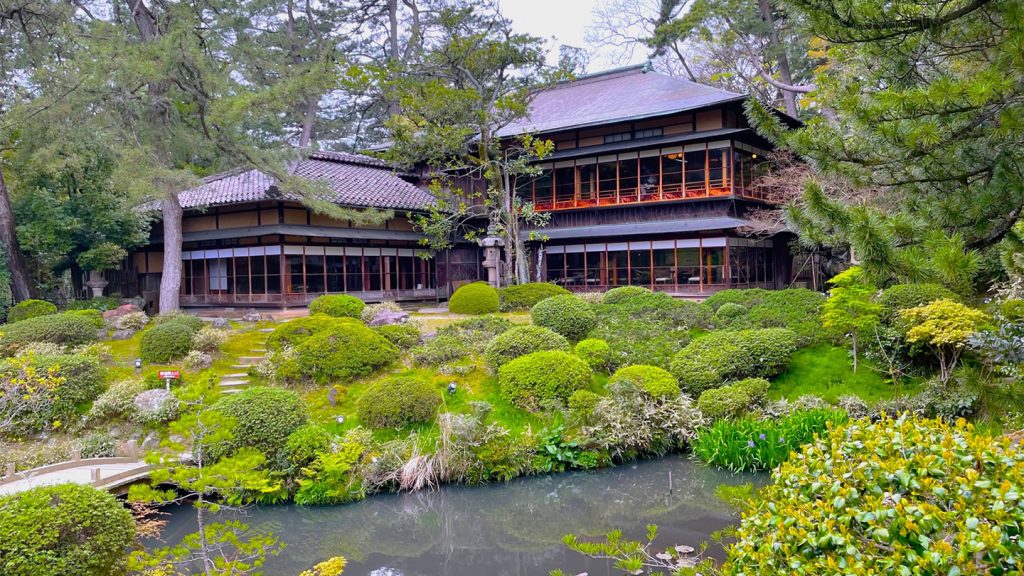
The Honma Museum of Art is a museum associated with the Honma family, a prominent merchant family that played a major role in Sakata’s history. The museum primarily features Japanese and East Asian antiquities and offers a wide range of works to enjoy. It opened in 1947, and its exhibitions are based on a collection of around 3,000 items, centered on donations from the Honma family.
On the grounds you’ll find Kakubuen Garden, a nationally designated Place of Scenic Beauty, known for its seasonal charm—white azaleas in early summer and colorful foliage in autumn are especially memorable. Visitors can also appreciate the architectural beauty of Seienkaku, a villa on the property. Together, the art, the garden, and the historic buildings make this one of Sakata’s highlights and a convenient Sakata sightseeing spot for a calm visit and a relaxing stroll.
Domon Ken Photography Museum
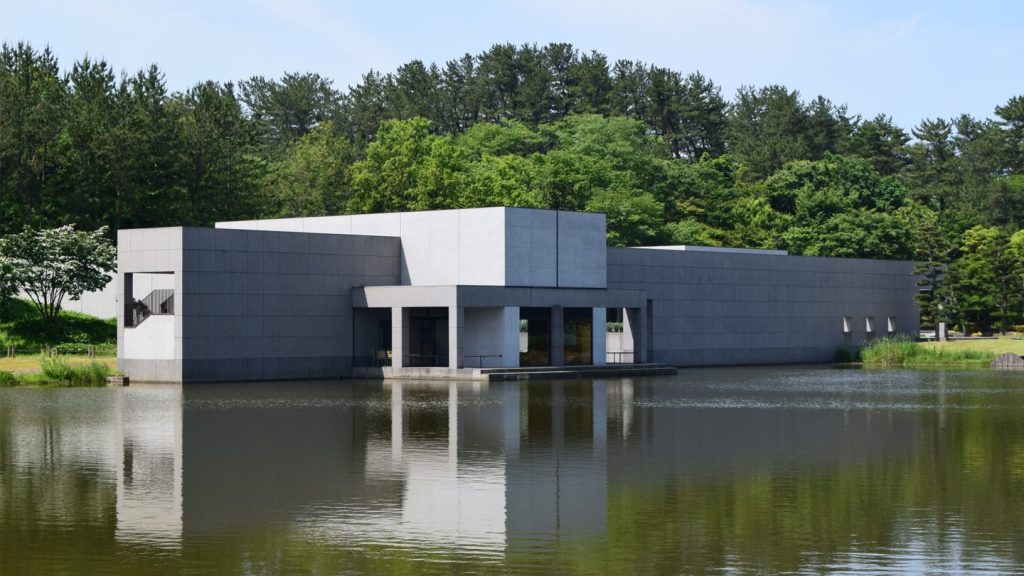
Dedicated to one of Japan’s most celebrated photographers, the Domon Ken Photography Museum is a must-visit for art and photography lovers. The museum features a wide range of works by Domon Ken, known for his powerful images of Japanese temples, people, and daily life. The building itself, designed by renowned architect Yoshio Taniguchi, is a piece of art—blending minimalist architecture with nature. Surrounded by a quiet park, it’s an ideal place for slow, thoughtful exploration. Located just outside central Sakata, the museum adds a creative touch to the list of things to do in Yamagata for travelers interested in visual culture.
Maiko Chaya Somaro
Maiko Chaya Somaro is a beautifully preserved teahouse in Sakata where visitors can experience the refined world of maiko (apprentice geisha) culture. Once a gathering place for wealthy merchants and travelers, the building now hosts seasonal dance performances and music shows by local maiko. The interior features exquisite artwork and historic architecture, creating a quiet, elegant atmosphere. You can enjoy a traditional tea set while soaking in the ambiance of Japan’s cultural past. Located within walking distance from Sakata Station, Somaro is a unique cultural stop for anyone looking to explore beyond typical tourist spots in Yamagata.
Sakata Port
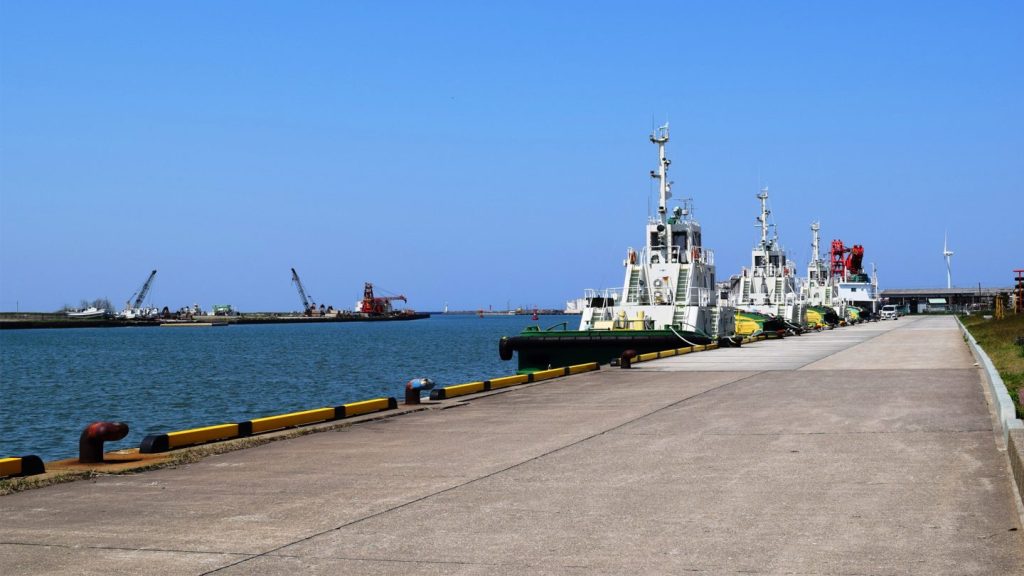
Sakata Port has long played a vital role in Japan’s maritime history, connecting Yamagata to the rest of the country through trade and travel. In the Edo period, it was a bustling hub along the Kitamaebune shipping route, bringing wealth and culture to the region. Today, visitors can walk along the modern harbor while imagining the sails of merchant ships in the past. The port area offers beautiful views of the Sea of Japan, especially at sunset. Surrounded by seafood restaurants and cultural landmarks, it’s a relaxing place to take in the sea breeze and learn about Sakata’s rich heritage.
Sannō Club
Step back in time at Sannō Club, a historic guesthouse that once hosted influential merchants and travelers. Built in the late 19th century, the building now serves as a museum showcasing Sakata’s prosperity during the Edo and Meiji periods. You’ll find displays of fine lacquerware, traditional attire, and art connected to the city’s former trading elite. The peaceful interior and beautifully maintained garden offer a quiet retreat from city life. It’s located near other Sakata attractions, making it a great cultural stop during your exploration of Yamagata. For travelers interested in history and design, the Sannō Club is full of charm.
Sakata City Museum of Art
Located on a hill overlooking the city and sea, the Sakata City Museum of Art blends stunning natural surroundings with an ever-changing lineup of modern art exhibitions. The museum’s architecture features large windows that let in natural light and offer views of Mount Chōkai and the Sea of Japan. Inside, you’ll find works by both Japanese and international artists, often reflecting themes tied to local nature and culture. It’s an ideal spot for a calm morning or afternoon visit, especially during the cherry blossom season when the hilltop garden is in full bloom. Easy to access by car or bus, the museum adds an artistic touch to any trip through Yamagata.
List of Local Products and Traditional Crafts from Sakata
Rock Oysters (Summer Oysters)
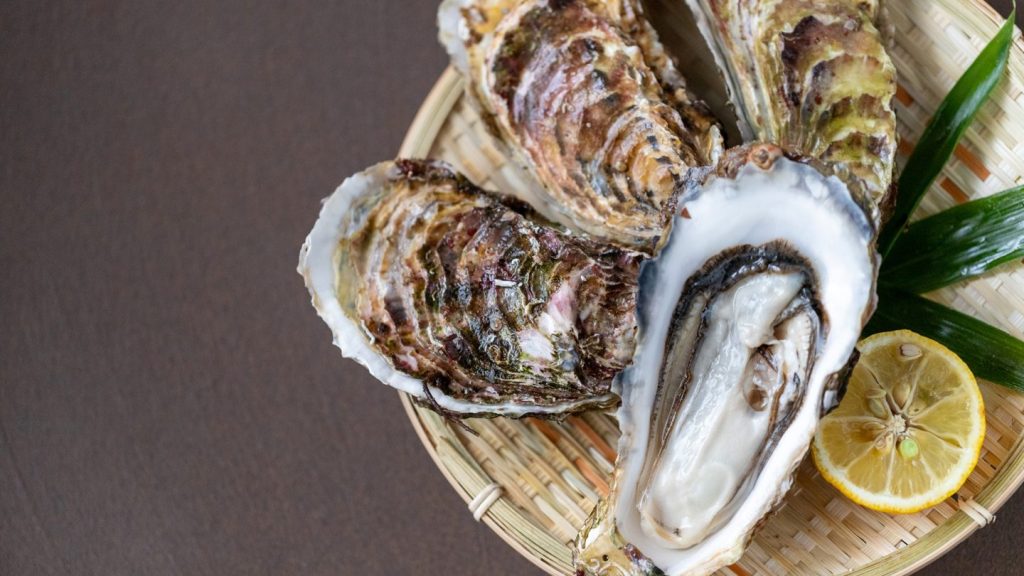
Rock oysters, known locally in Sakata as summer oysters, are a seasonal delicacy harvested from the Sea of Japan during the warmer months. Larger and creamier than winter varieties, they have a rich, briny flavor that reflects the mineral-rich waters off the coast of Yamagata. These oysters are often served raw with citrus or lightly grilled to bring out their natural sweetness. In Sakata, oyster farming has long been part of the local fishing culture, making summer a special time for seafood lovers. For travelers exploring coastal Yamagata, tasting these oysters offers a true taste of the season.
Flying Fish Broth Ramen
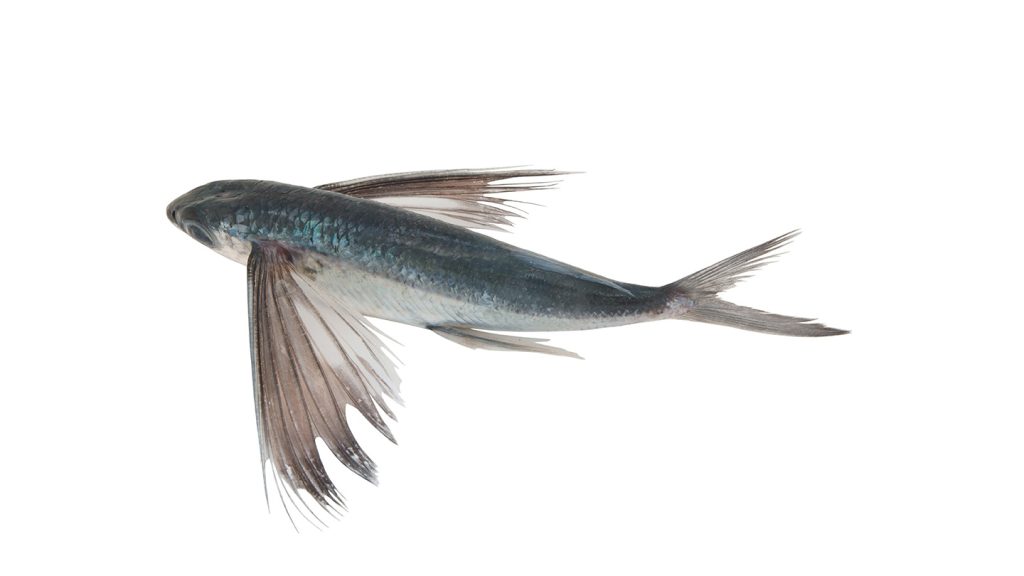
A unique local specialty in Sakata, flying fish broth ramen (tobiuo dashi ramen) features a clear, aromatic soup made from dried flying fish caught off the Shonai coast. This light yet flavorful broth is paired with thin noodles and topped with local ingredients like bamboo shoots and seasonal vegetables. The use of flying fish reflects the area’s coastal heritage and the region’s emphasis on clean, balanced flavors. Especially popular in summer, this ramen is a refreshing alternative to heavier noodle dishes. It’s a comforting, regional dish that gives insight into Sakata’s connection to the sea and simplicity in flavor.
Obako Sawara (Mackerel)
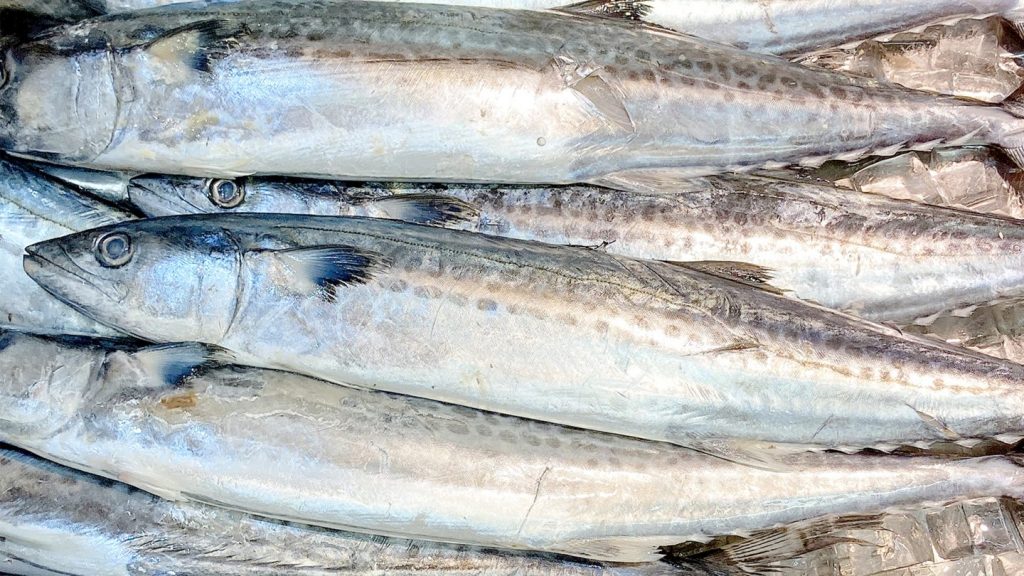
Obako Sawara is a prized mackerel species caught along the coast of Sakata, particularly in early spring when the fish are at their most flavorful. Known for its tender meat and clean, slightly sweet taste, this fish has long been part of the local culinary scene. Often served grilled or as sashimi, obako sawara highlights the region’s respect for seasonal seafood. The name “Obako” comes from a local dialect, adding a cultural touch to its identity. For those interested in regional cuisine during their Yamagata travel, this mackerel tells a quiet story of tradition and ocean bounty.