


Top Attractions in Naoshima for Sightseeing
Contents
Naoshima is a small island in the Seto Inland Sea where contemporary art and gentle coastal nature meet. The headline draws are the Chichu Art Museum, Benesse House, and the Art House Project, but the charm goes beyond galleries: simply wandering through village lanes and along the shoreline, you’ll find artworks blending into everyday scenery. Getting around is easy—rent a bicycle or hop on the local bus—and many visitors time a stroll for dusk, when the calm waters and scattered islands glow in soft light. For your list of things to do in Naoshima, add a walk through fishing ports, quiet beaches, and the island’s shrines and temples to balance art with local life.
Naoshima cuisine leans into Setouchi flavors: seafood caught in nearby waters and dishes that make use of olives, served in relaxed cafés with sea breezes drifting by. It’s a slow, satisfying food scene that fits the island’s pace. Ferries from Takamatsu and Uno make access straightforward, so you can plan a day trip or a laid-back overnight without stress.
If you’re thinking about Naoshima travel, the appeal is how compact it all feels—art, sea, and daily island rhythms sit close together, letting you cover a lot without rushing. Whether you come for museum-hopping or to unwind by the water, you’ll find Kagawa attractions concentrated in one walkable destination. It’s an easy place to build an itinerary around, and a memorable stop within broader Kagawa tourism across the Setouchi region.
Recommended Local Products and Traditional Crafts in Naoshima
Hamachi (Yellowtail)
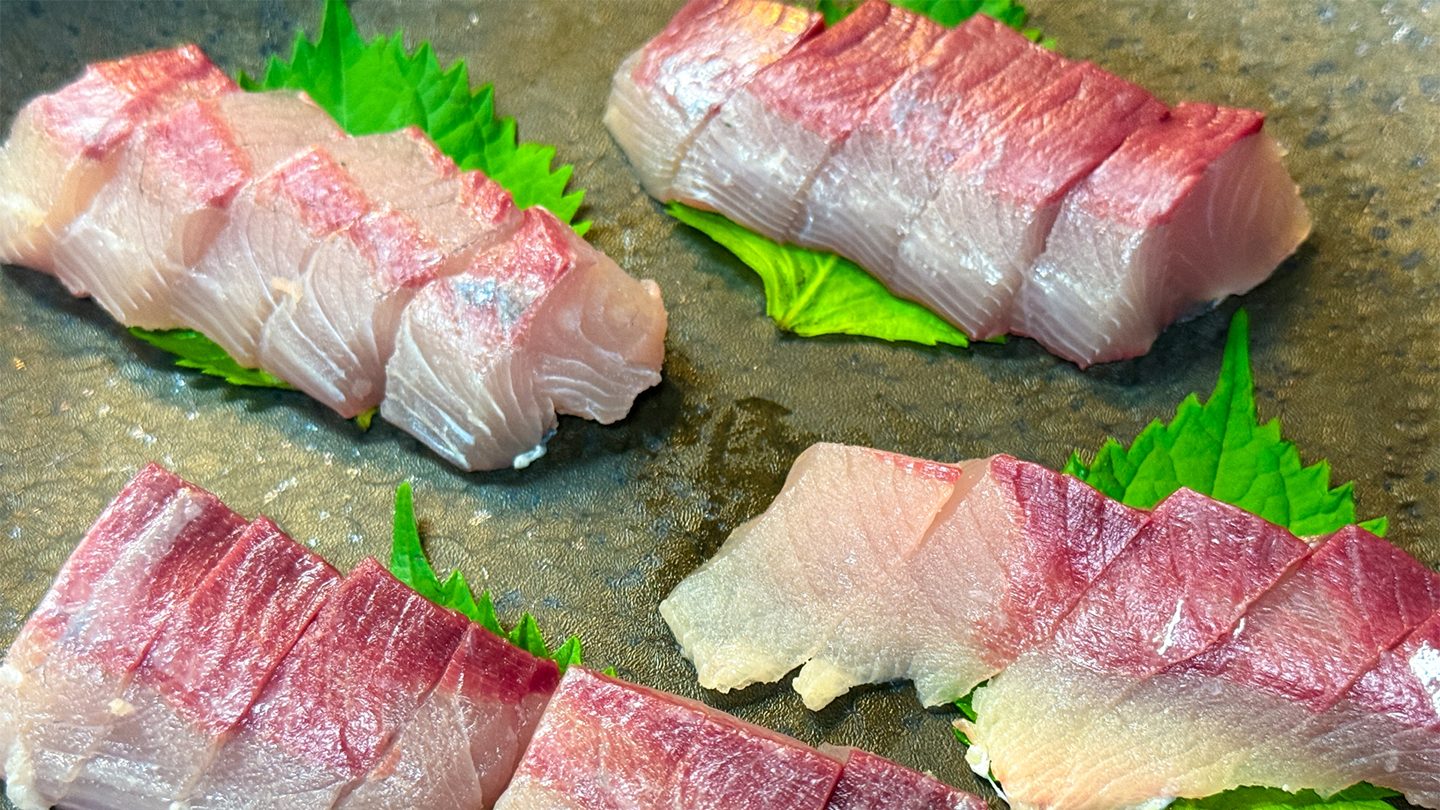
Hamachi from Naoshima is nurtured by the calm tides of the Seto Inland Sea and is known for its firm flesh and refined, clean fat. Flavor peaks from autumn into winter, when you’ll find it served as sashimi or sushi, and also as teriyaki, salt-grilled fillets, or in hot pots like buri shabu (the name changes as the fish matures). A squeeze of lemon or sudachi—or a light finish of local olive oil—adds a bright, coastal note that feels distinctly Setouchi.
Around the harbor, casual eateries and small inns often feature hamachi in everyday dishes such as simmered cuts or hearty fish-head miso soup, while island cafés and izakaya offer carpaccio and nanbanzuke (sweet-and-sour marinades). Strolling the waterfront between art stops is a great way to pick up what’s in season and where to try it next.
For travelers planning Naoshima travel and looking to explore Kagawa food culture, hamachi is a core taste of the island—versatile, fresh, and closely tied to local life. It reflects Naoshima’s setting where art and the sea sit side by side, and where flavors shift gently with the seasons. As one of the local specialties in Naoshima, hamachi offers a reliable, comforting plate whether you’re on a short visit or staying longer.
Explore Naoshima: Top Spots and Must-Know Topic
Chichu Art Museum (Tadao Ando)
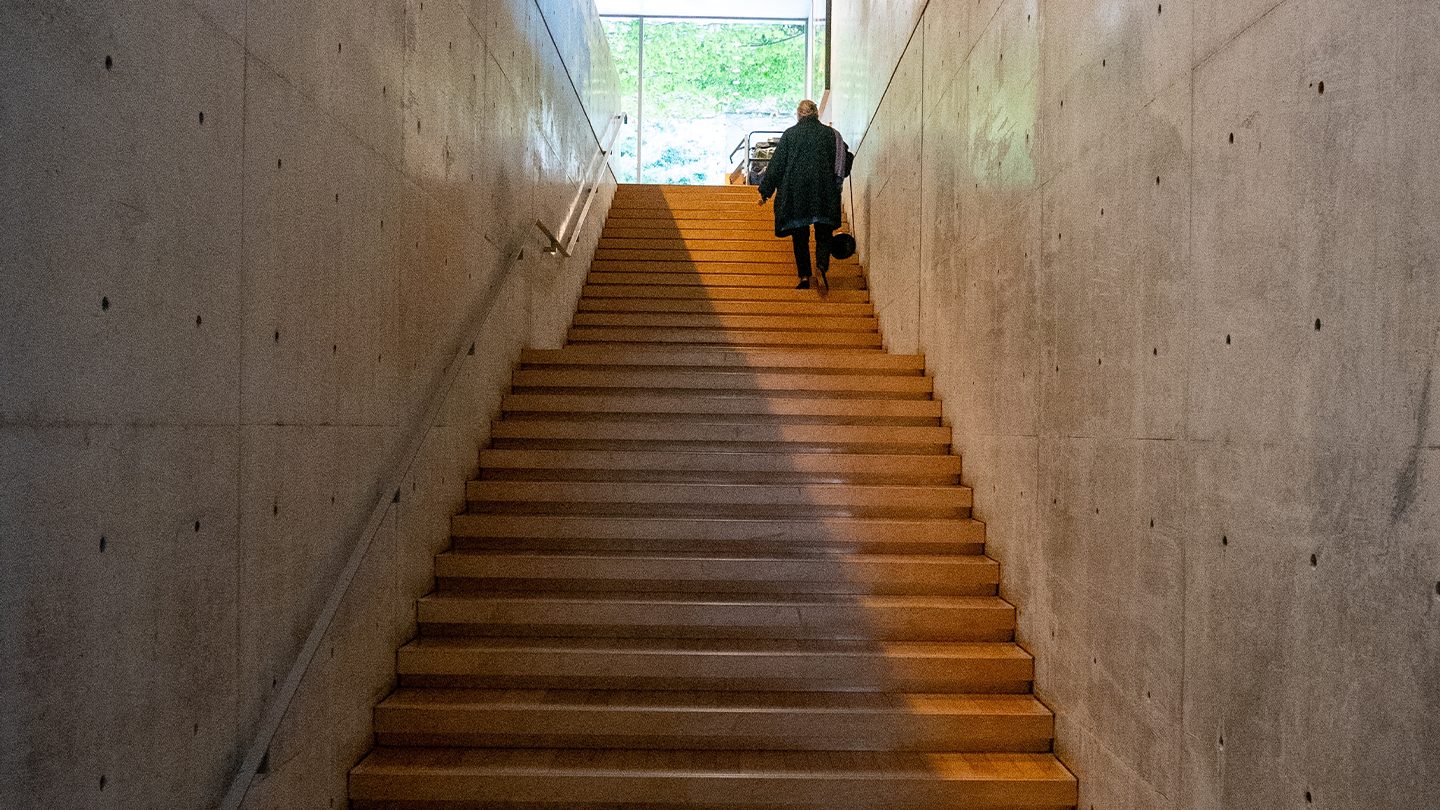
Designed by Tadao Ando and built mostly underground, the Chichu Art Museum lets you experience art in pure natural light. As the sun shifts, colors and shadows change, giving each visit a different mood. The quiet circulation encourages unhurried viewing and keeps Seto Inland Sea views undisturbed. Pair your visit with nearby sites to understand how architecture and art converse across the island. For Naoshima travel planners, this is one of the essential Naoshima attractions and a perfect anchor when mapping out “things to do in Naoshima.”
Benesse House Museum
Part museum, part hotel, Benesse House blends art, architecture, and nature into one seamless stay. Works appear indoors and out, resonating with waves, wind, and the changing light from day to night. You don’t need to be an overnight guest to enjoy the exhibitions, and a seaside stroll connects easily to other stops. As a base for Naoshima travel, it showcases the breadth of contemporary art on the island and remains a versatile highlight among Naoshima attractions.
Naoshima (the Island)
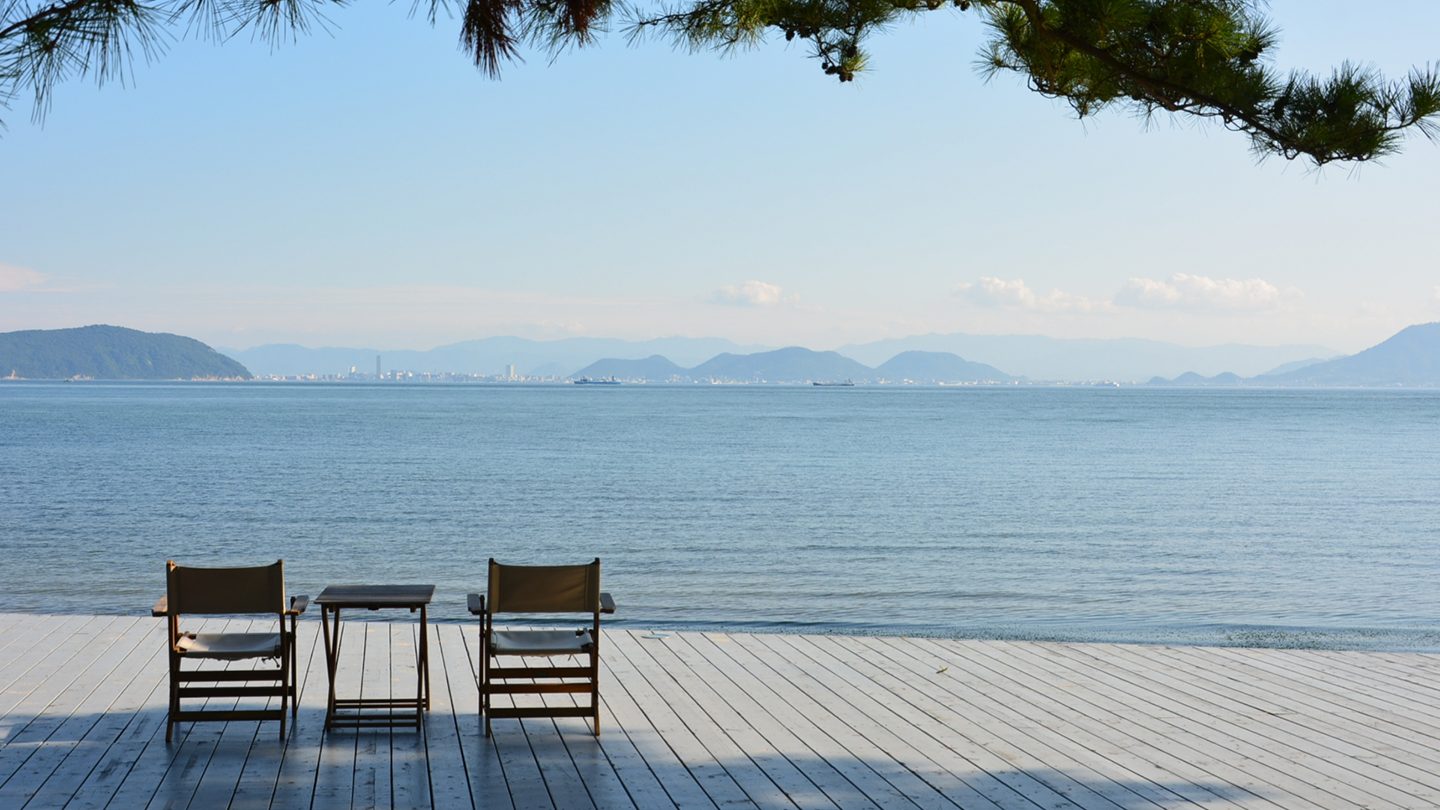
Naoshima is where everyday island life meets contemporary art. Simply walking from the port through village lanes to the beaches reveals installations woven into scenery and routine. Getting around by rental bicycle or bus is simple, and sunset brings a calm, island-to-island glow over the Seto Inland Sea. Beyond museums, visit shrines, sandy coves, and the fishing harbor to feel the local rhythm. For “things to do in Naoshima,” remember that alleys and shorelines are also part of the gallery.
Naoshima Pavilion
This geometric landmark near the port links sea and town. Step inside to see the coast reframed through a lattice of lines, then return at night when the gentle illumination creates a new atmosphere. With cafes and waterside paths close by, it fits easily into any route. For first-time Naoshima travel, the Pavilion acts as a welcoming gateway and a photogenic pause among Naoshima attractions.
Visit Japan Web makes entering Japan easy — all in one place.
Prepare your entry procedures online before you travel.
Complete Quarantine, Immigration, and Customs forms smoothly with just a few taps.
Register anytime — before or during your trip — and simply show your QR code at the airport for a faster arrival.
Learn more about Visit Japan Web
Visit Japan Web makes entering Japan easy — all in one place.
Prepare your entry procedures online before you travel.
Complete Quarantine, Immigration, and Customs forms smoothly with just a few taps.
Register anytime — before or during your trip — and simply show your QR code at the airport for a faster arrival.
Learn more about Visit Japan Web
Art House Project
In the Art House Project, vacant homes and historic buildings become contemporary artworks. Stroll village alleys to feel how architecture, memory, and creativity overlap—each house offers a distinct concept grounded in place. Following the viewing guidelines keeps the atmosphere calm and makes exploration smooth. It’s the heart of Naoshima attractions where “art meets daily life,” and one of the most rewarding things to do in Naoshima.
Lee Ufan Museum
This museum presents Lee Ufan’s quietly powerful works within an Ando-designed space. Stone, iron, and canvas converse with light and shadow, inviting slow looking and a heightened sense of presence. Impressions evolve as you move, and exterior views extend the experience beyond the galleries. For Naoshima travel, it’s a contemplative stop that shifts the focus from simply “seeing” to “being with” art.
Red Pumpkin (Miyanoura Port)

The Red Pumpkin welcomes you the moment you arrive at Miyanoura Port. Its vivid dots and playful interior flip inside and outside, turning waiting time into a mini art moment. Combine it with a short seaside walk and you’ll ease into the island’s pace. As a cheerful icon of Naoshima attractions, it bridges travel excitement and the art journey ahead.
Naoshima Bath “I♥︎YU”
Part public bath, part artwork, I♥︎YU transforms bathing into an immersive installation. Colorful tiles, objects, and graphics fill the space, while locals and travelers naturally mingle. It’s ideal after a day of museums—relax first, then notice how the nighttime ambience changes. This spot shows the playful range of Naoshima attractions and offers one of the most down-to-earth things to do in Naoshima: experiencing art within daily life.
Pumpkin (Yayoi Kusama)
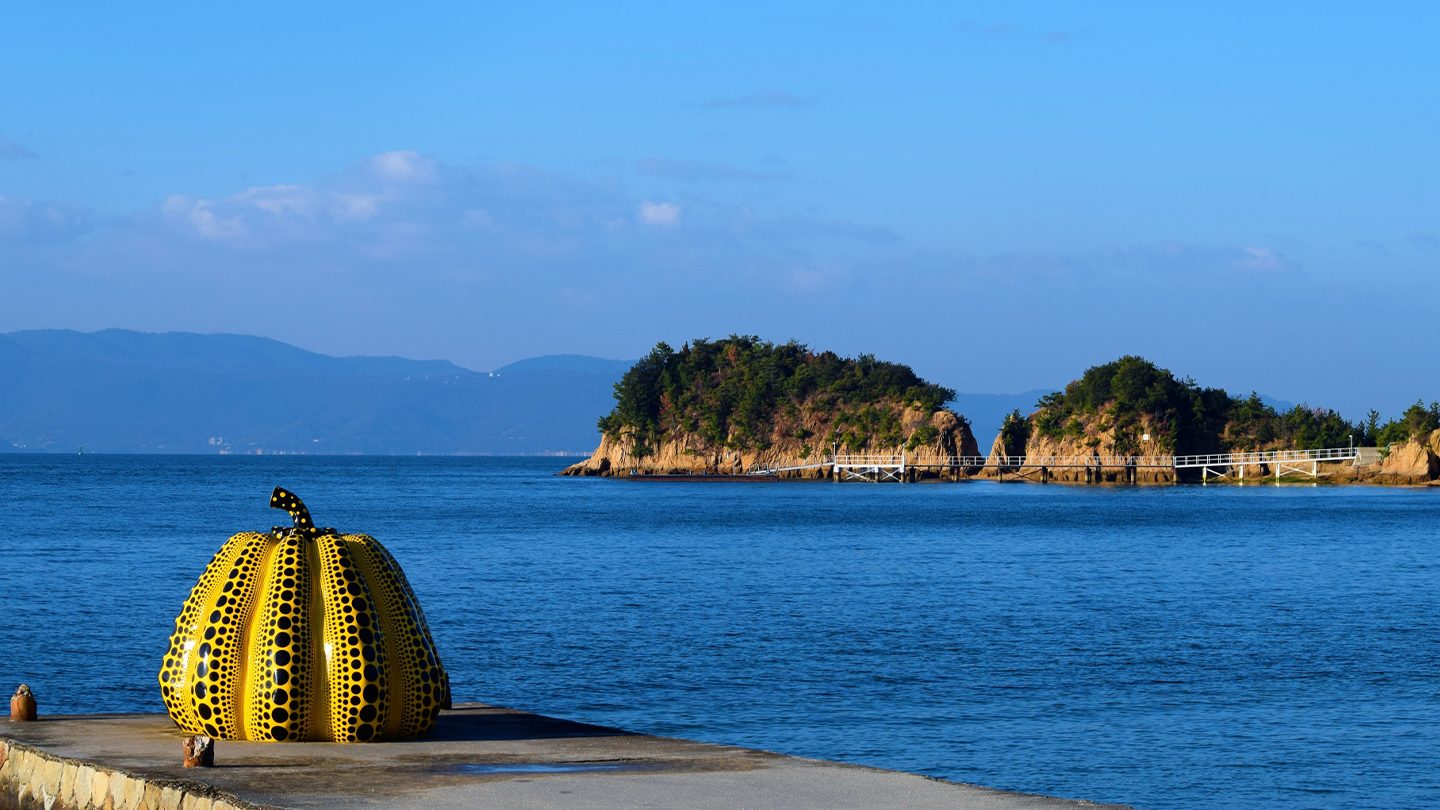
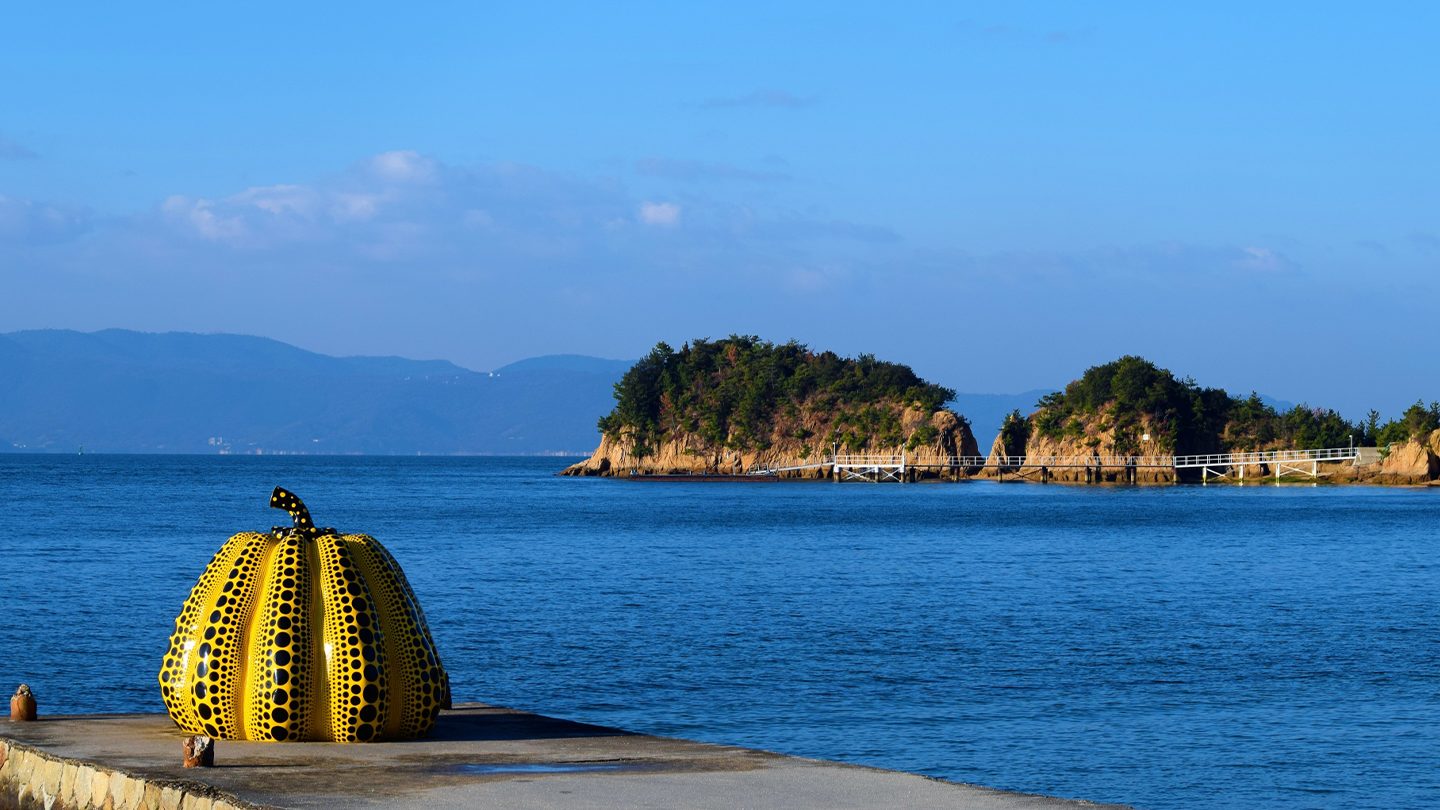
Set on the shoreline, the yellow Pumpkin has become a symbol of Naoshima. Its bold silhouette against the horizon looks striking in any weather, with tides and clouds constantly refreshing the scene. View it with awareness of local safety guidance and changing conditions, and take time to enjoy the quiet beach around it. It’s a memory-making highlight of Naoshima travel and a must-photograph among Naoshima attractions.
Hiroshi Sugimoto Gallery: Time Corridors
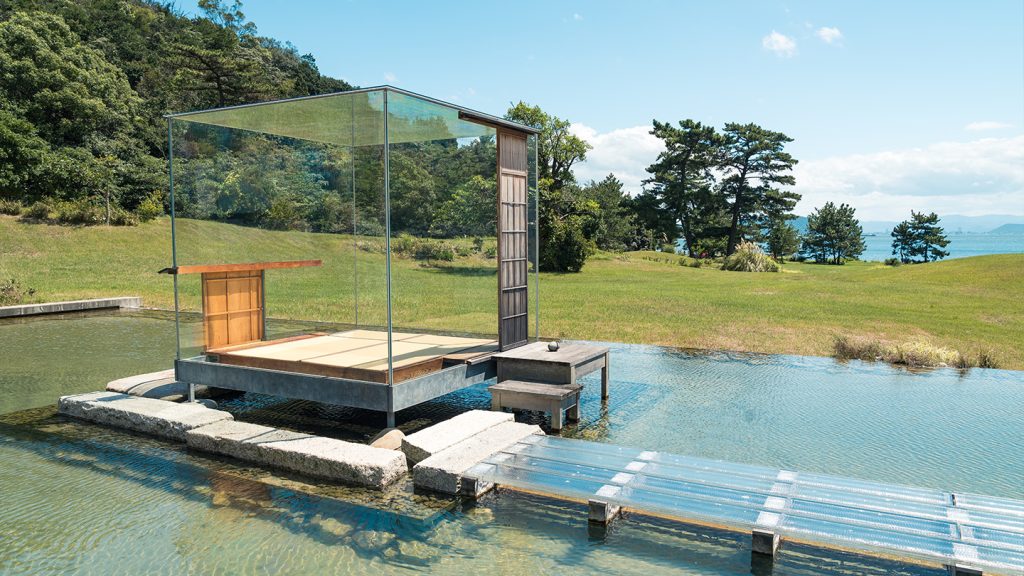
Here, photography, architecture, and classical objects intersect to explore layered time. Carefully controlled light and material textures shape a serene path, inviting focused attention and a long afterglow. Visit alongside nearby sites to deepen your understanding of Naoshima’s art landscape. This is a refined stop in any Naoshima travel plan—perfect for tuning your senses and rounding out your list of things to do in Naoshima.
List of Local Products and Traditional Crafts from Naoshima
Nori (Seaweed)
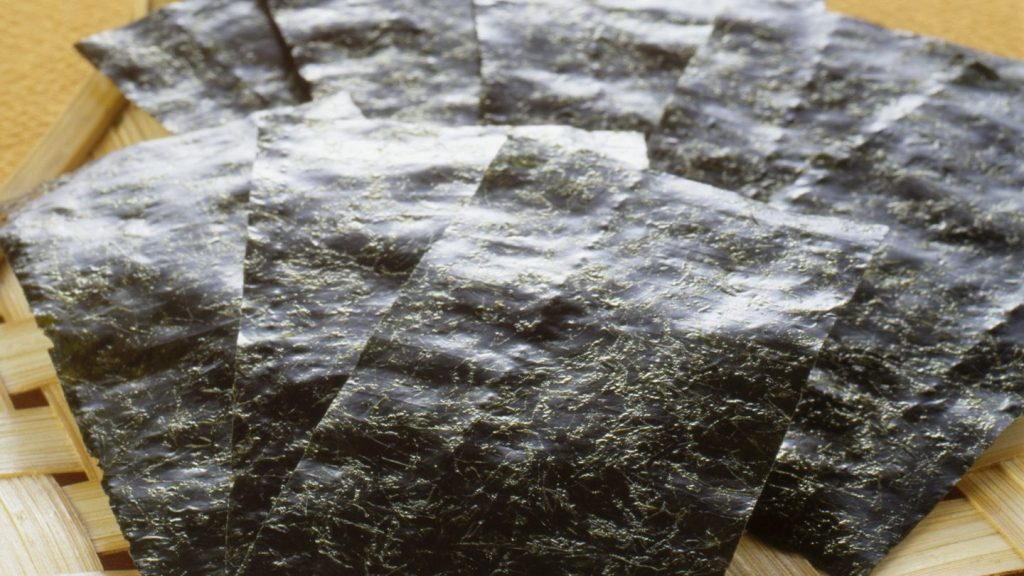
Nori from Naoshima grows in the calm, sunlit waters of the Seto Inland Sea, giving it a clean aroma and a tender bite. As you chew, a gentle sweetness and briny depth unfold—great for everyday cooking while you’re exploring Naoshima travel. Toasted sheets work perfectly for onigiri or sushi rolls; shredded nori adds a savory lift to udon, chilled tofu, or a simple bowl of rice and egg. It also shines in homemade tsukudani or as a last-minute garnish for miso soup. Locals appreciate how the harvest changes with the seasons, and that quiet connection to the sea is part of the island’s character. If you’re listing things to do in Naoshima, pair a seaside stroll with a meal that features this local staple. Nori is one of the local specialties in Naoshima that links daily life to the shoreline—unfussy, flavorful, and easy to enjoy in many small ways.
Koiwasuregai Monaka
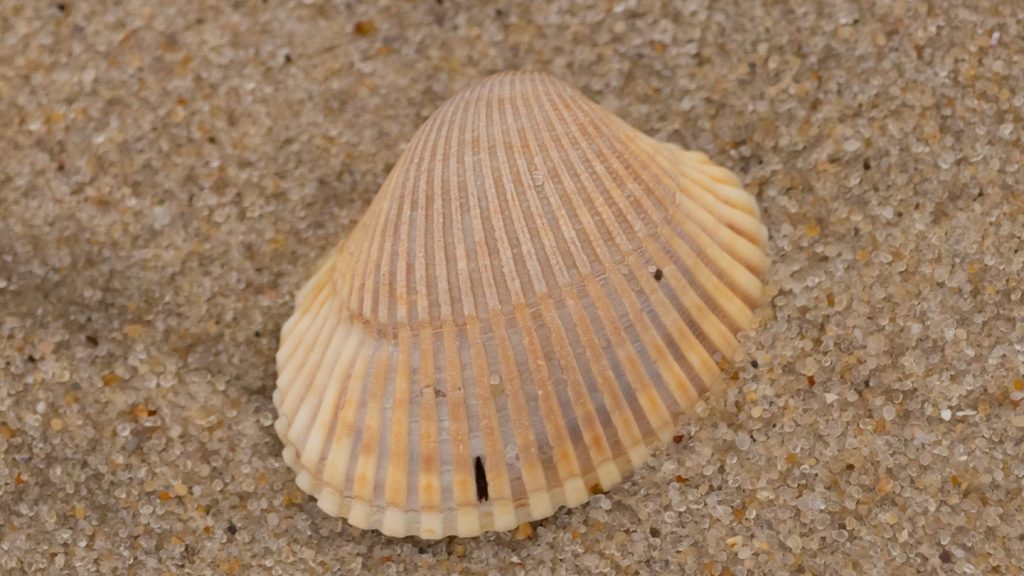
Koiwasuregai Monaka is a charming wagashi shaped like a seashell, inspired by a motif cherished on Naoshima. Crisp, lightly toasted wafers sandwich a smooth azuki bean paste that’s balanced rather than overly sweet—just right with green tea or coffee. The petite size makes it an easy snack during art-hopping, and its design quietly reflects the island’s lanes, coves, and harbor views. While Naoshima travel centers on museums and outdoor installations, this confection offers a different lens on local culture: a pause, a sip of tea, and a bite that carries a hint of the sea breeze. Include it among your things to do in Naoshima as a gentle, everyday treat. Count it, too, among the local specialties in Naoshima: a modest sweet that fits naturally into the rhythm of island life and adds a soft, memorable note to your day.
Kagawa, Naoshima Town|SOLASHIO
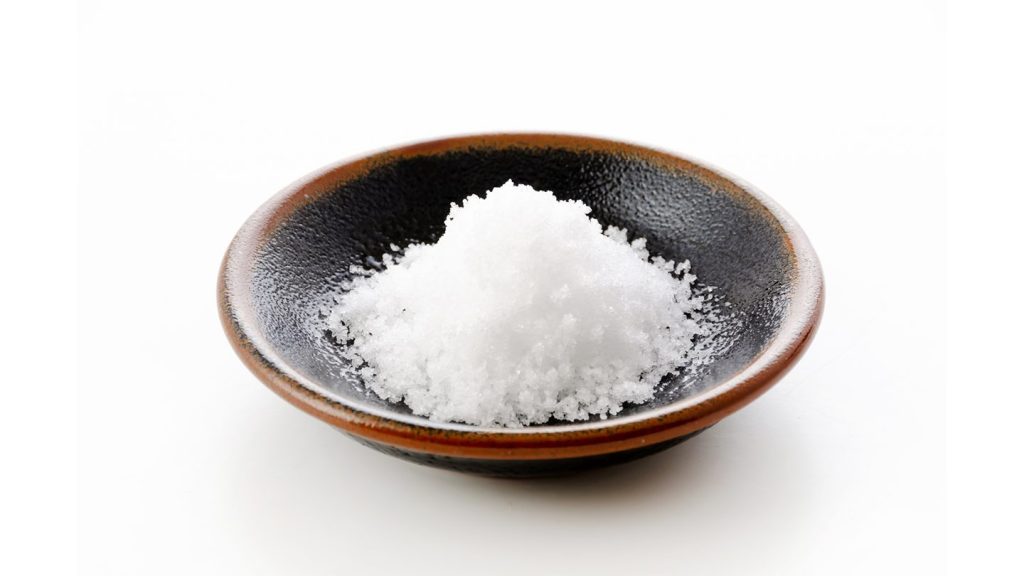
SOLASHIO is a locally made Naoshima sea salt created by slowly concentrating seawater with the power of the sun and wind, then allowing it to crystallize. It’s characterized by a rounded, gentle salinity and a mellow depth from natural minerals that enhances the flavor of any ingredient. Sprinkle it on boiled vegetables, sashimi, or tempura and it sharpens the overall profile of the dish in a clean, precise way.
It also pairs beautifully with olive oil to make a simple dressing, offering a light, refreshing aftertaste that feels very Setouchi. Different grain sizes let you adjust how you use it, and just a pinch as a finishing salt can add a small element of discovery at the table. It’s an everyday seasoning that brings the light and sea of the island into your cooking.