


Top Attractions in Morioka for Sightseeing
How to Use the Map
Click on a destination to see a list of events in the area. Zoom in/out to zoom in/out on the map.
Keyboard shortcut: ← Move Left/→ Move Right/↑ Move Up/↓ Move Down/+ Zoom In/- Zoom Out
Contents
- 1 Top Attractions in Morioka for Sightseeing
- 2 Recommended Local Products and Traditional Crafts in Morioka
- 3 Explore Morioka: Top Spots and Must-Know Topic
- 3.1 Morioka Castle Ruins Park
- 3.2 Ishiwarizakura (Split Rock Cherry Tree)
- 3.3 Morioka Hachimangu Shrine
- 3.4 Iwate Bank Red Brick Building
- 3.5 Morioka History and Culture Museum
- 3.6 Takuboku Newlywed House
- 3.7 Morioka Reimen (e.g., Pyonpyonsha)
- 3.8 Iwate Park (Morioka Castle Site Park)
- 3.9 Former Morioka High Agricultural School Building (Related to Kenji Miyazawa)
- 3.10 Morioka Handi-Works Square
- 4 List of Local Products and Traditional Crafts from Morioka
Morioka, the capital of Iwate Prefecture, is a charming city in the Tohoku region where nature, culture, and great food come together. It’s a fantastic spot for literature lovers, with many places connected to famous poets like Takuboku Ishikawa and Kenji Miyazawa. The city’s nature is a highlight as well, with spots like Morioka Castle Park and the Nakatsu River walking path changing with the seasons. In summer, the city comes alive with the **Morioka Sansa Odori Festival**, a vibrant display of drums and dance. For food, Morioka is famous for its “Three Great Noodles”: **Wanko Soba**, **Morioka Reimen**, and **Jajamen**. The city also has many restaurants that make the most of fresh, local ingredients. When you’re sightseeing in Morioka, you can enjoy a relaxing pace in a city where tradition and modern life comfortably coexist. Its convenient access from Tokyo by bullet train in just about two hours makes it a perfect destination for a weekend trip.
Recommended Local Products and Traditional Crafts in Morioka
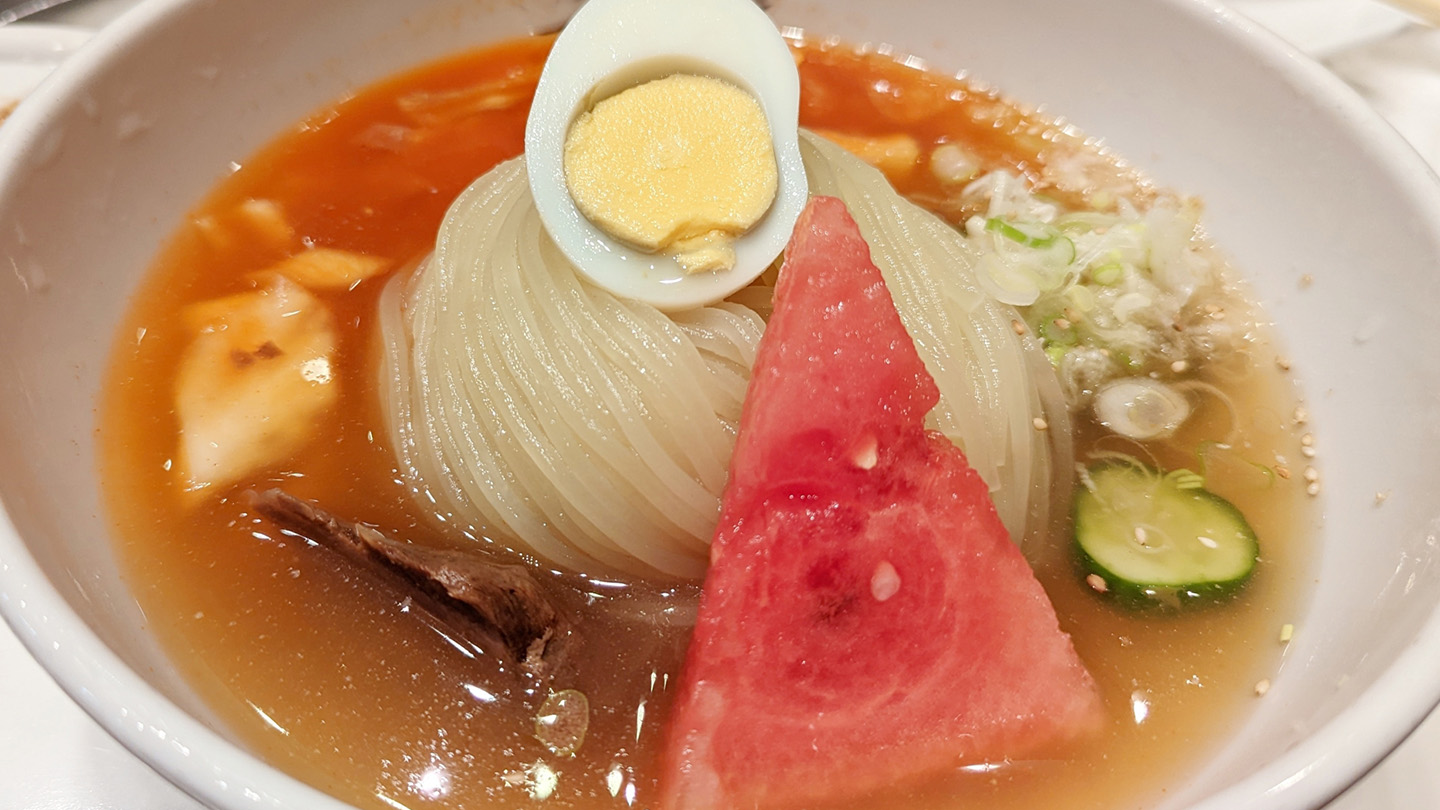
Morioka reimen
If you’re exploring Tohoku travel and looking for a refreshing culinary experience, Morioka Cold Noodles (Reimen) is a must-try local specialty in Morioka, Iwate. Inspired by Korean-style cold noodles, this dish has evolved into a regional favorite with a unique Japanese twist. Served in a chilled, savory beef-based broth, Morioka Cold Noodles feature chewy, translucent noodles made from potato starch and wheat flour. They’re typically topped with sliced beef, crisp cucumbers, kimchi, and a slice of seasonal fruit like watermelon or pear—creating a beautiful balance of flavors and textures. Originally introduced in the mid-20th century, Morioka Cold Noodles have become a symbol of summer in the city and are enjoyed year-round by locals and visitors alike. The dish reflects Morioka’s openness to cultural fusion and its knack for creating comforting, memorable flavors. For anyone diving into Iwate food culture or looking for unique things to do in Morioka, tasting this cold noodle dish is a flavorful and refreshing way to connect with the local community.
Explore Morioka: Top Spots and Must-Know Topic
Morioka Castle Ruins Park
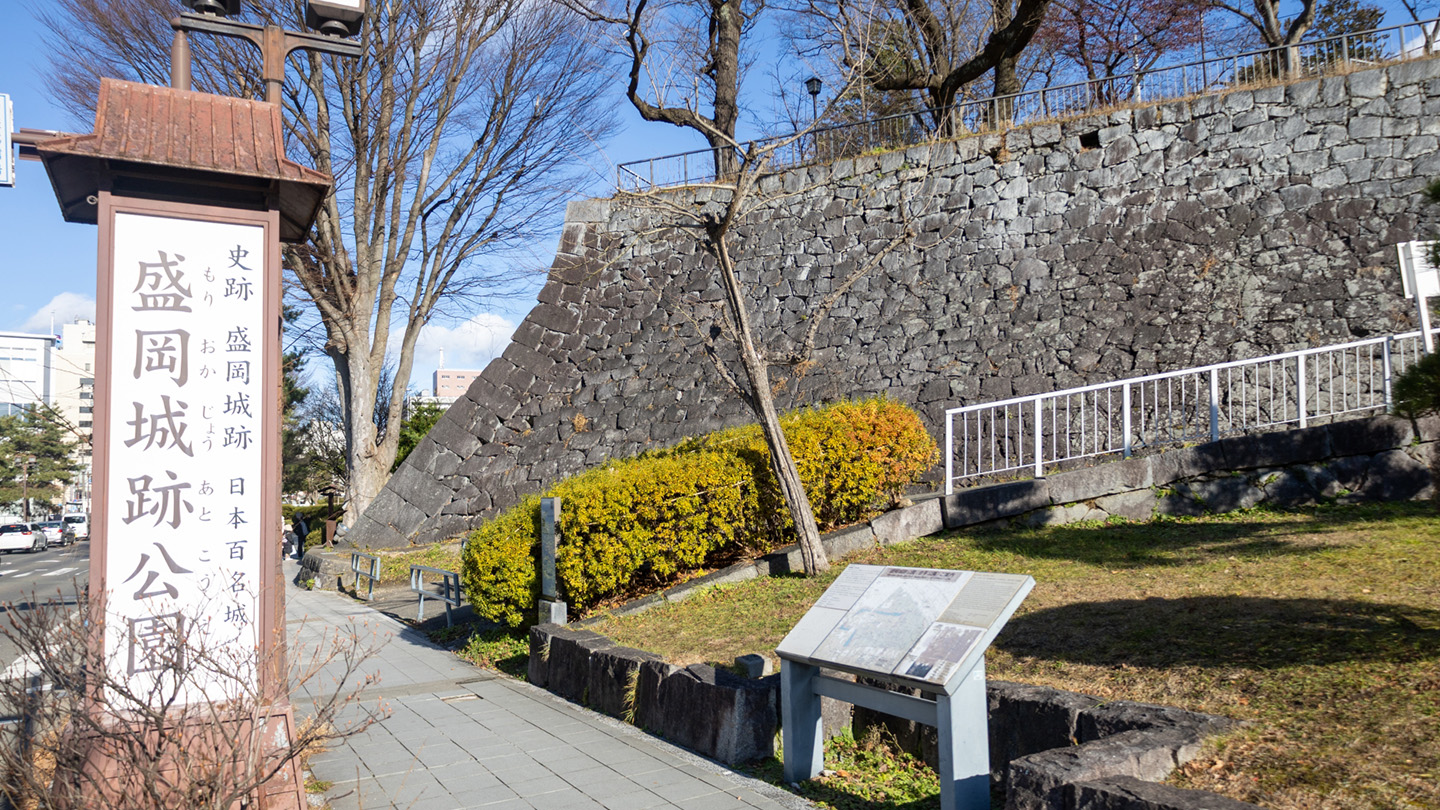
Morioka Castle Ruins Park, located in the heart of Morioka, Iwate, is a peaceful green space built on the grounds of a former 17th-century castle. Though the original structures are gone, the massive stone walls remain, offering a glimpse into the area’s samurai past. In spring, cherry blossoms blanket the park, while vibrant fall foliage makes autumn visits just as memorable. It’s a favorite spot for locals to relax and for travelers looking to enjoy a quiet stroll surrounded by history and nature. Just a short walk from the city center, it’s an easy and rewarding stop for anyone exploring Morioka attractions.
Ishiwarizakura (Split Rock Cherry Tree)
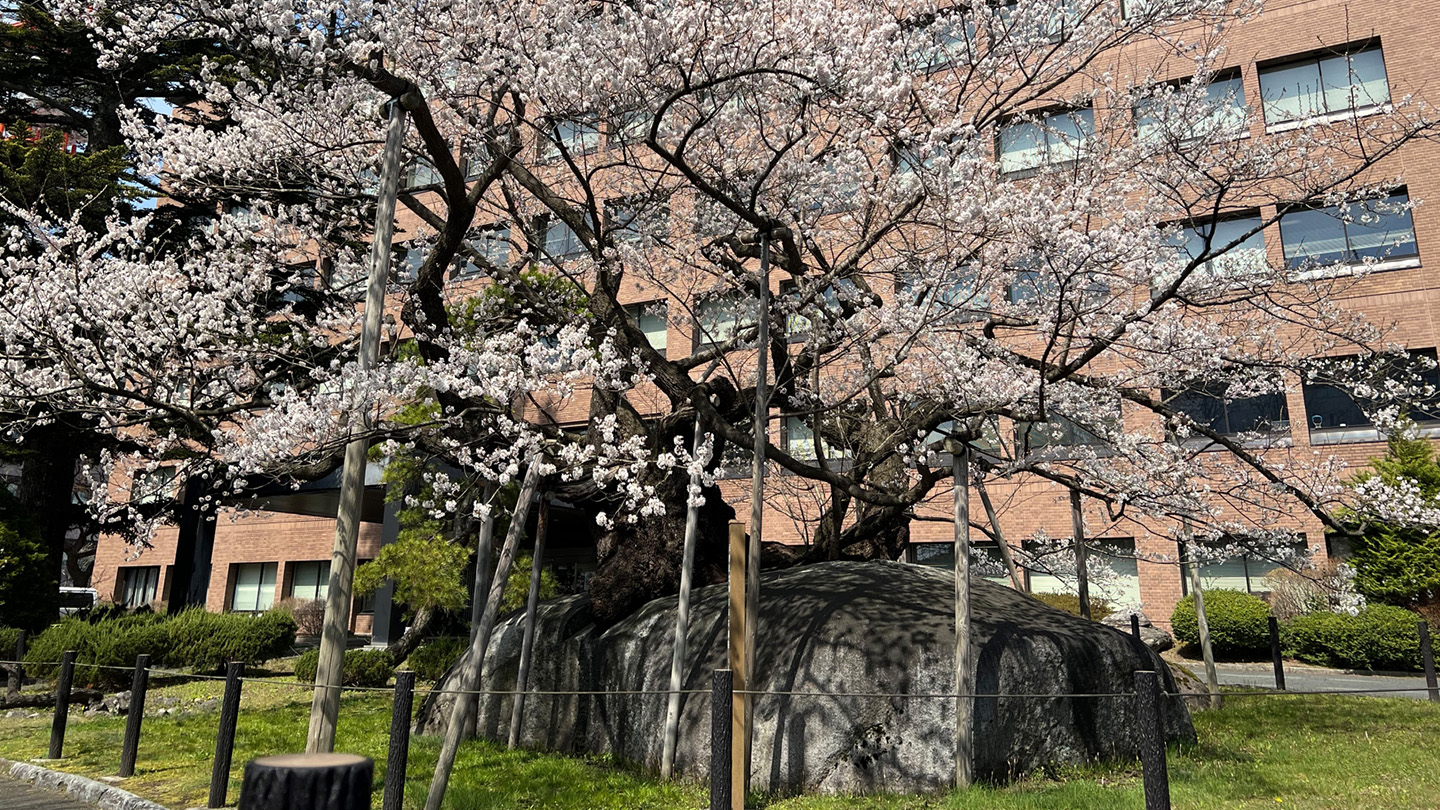
The Ishiwarizakura, or “Split Rock Cherry Tree,” is one of Morioka’s most iconic and inspiring sights. Located in front of the Iwate District Court, this cherry tree has grown dramatically from a crack in a massive granite boulder for over 400 years. Every spring, delicate pink blossoms bloom from the tree, creating a striking contrast against the hard stone below. It’s a popular photo spot and a symbol of resilience deeply tied to Morioka’s local identity. If you’re looking for unique things to do in Morioka during cherry blossom season, this stop is a must-see.
Morioka Hachimangu Shrine
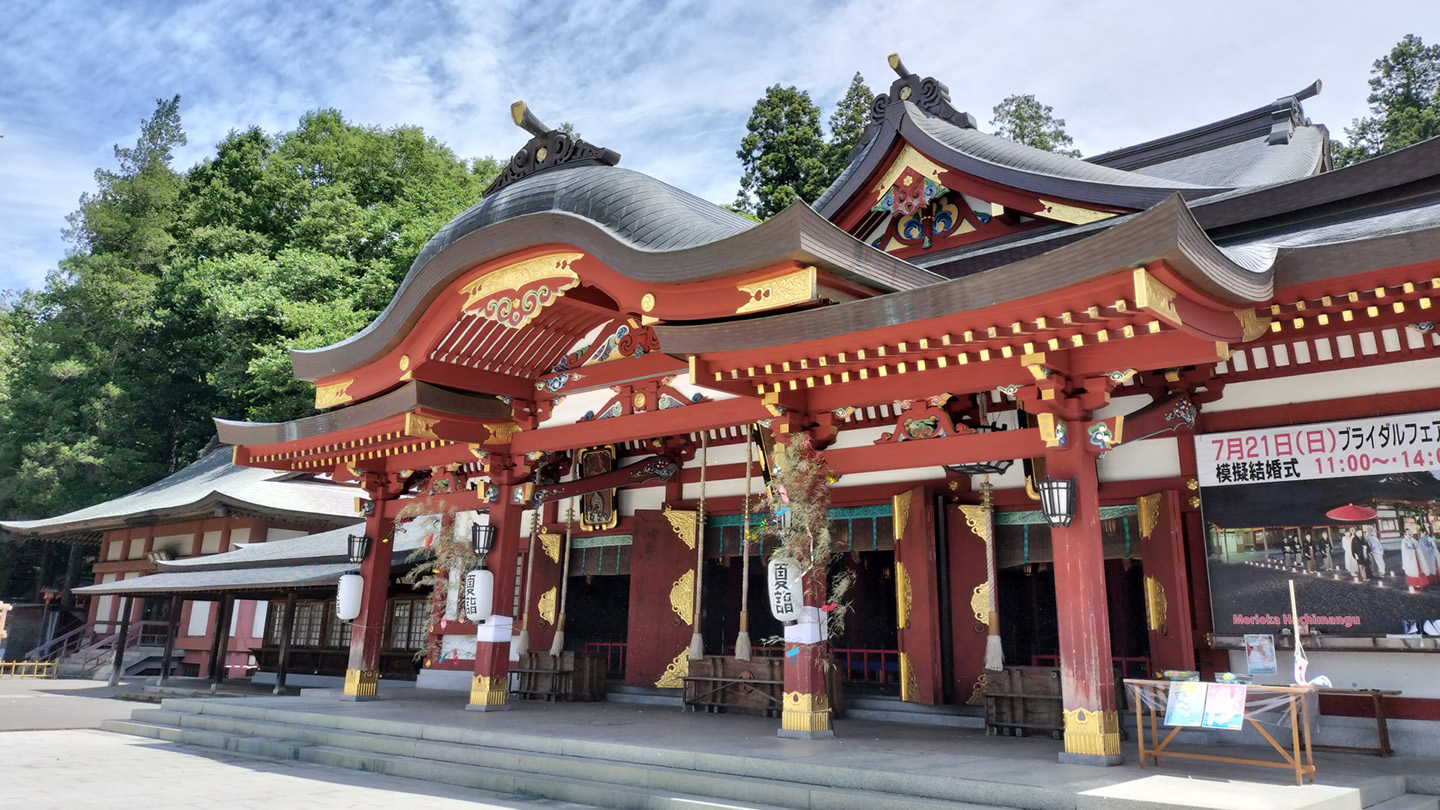
Morioka Hachimangu Shrine is the city’s most important Shinto shrine, known for its grand torii gate and peaceful wooded grounds. Founded in the 11th century, it holds a special place in local culture and hosts several traditional festivals, including the colorful Chagu Chagu Umakko parade in June. The shrine is beautiful year-round—especially in autumn when the trees turn golden red. Visitors can explore smaller sub-shrines, admire historical architecture, and even pick up good-luck charms. For those interested in Japanese spirituality or cultural events, this shrine offers one of the most meaningful things to do in Morioka.
Iwate Bank Red Brick Building
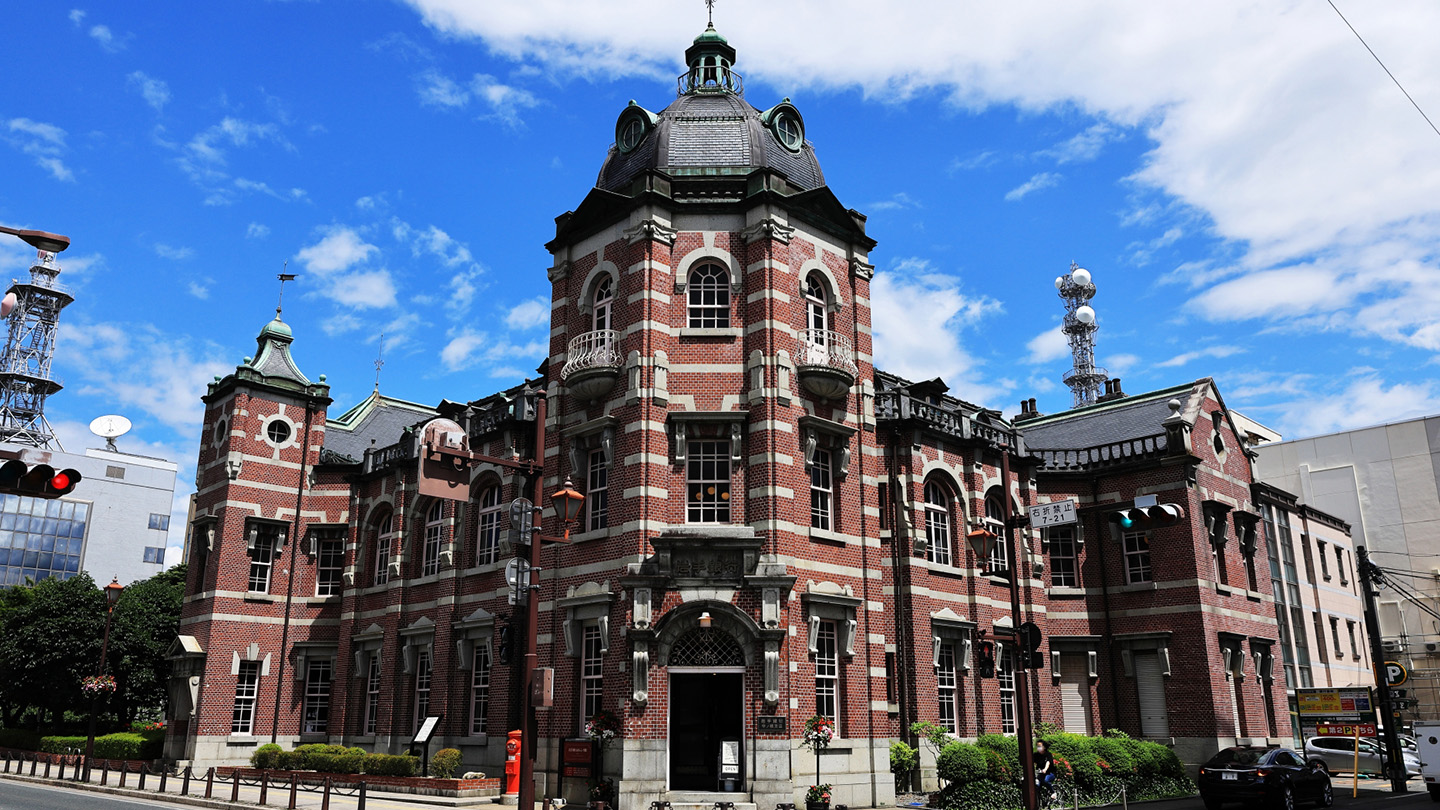
A standout in Morioka’s cityscape, the Iwate Bank Red Brick Building is a beautifully preserved Western-style structure from Japan’s Meiji era. Originally completed in 1911, it reflects the city’s early modernization and economic development. Today, it serves as a museum, offering insights into local banking history and architectural design. Visitors can explore the interior’s elegant woodwork and vintage fixtures. The building also makes a great stop for photography, especially when lit up at night. Its central location makes it an easy addition to any Morioka walking tour or a deeper dive into Iwate’s history.
Visit Japan Web makes entering Japan easy — all in one place.
Prepare your entry procedures online before you travel.
Complete Quarantine, Immigration, and Customs forms smoothly with just a few taps.
Register anytime — before or during your trip — and simply show your QR code at the airport for a faster arrival.
Learn more about Visit Japan Web
Visit Japan Web makes entering Japan easy — all in one place.
Prepare your entry procedures online before you travel.
Complete Quarantine, Immigration, and Customs forms smoothly with just a few taps.
Register anytime — before or during your trip — and simply show your QR code at the airport for a faster arrival.
Learn more about Visit Japan Web
Morioka History and Culture Museum
Located near the castle ruins, the Morioka History and Culture Museum introduces visitors to the city’s rich past. Exhibits focus on the local Nambu clan, who ruled the area for centuries, and showcase artifacts like armor, tools, and everyday items from the Edo period. Interactive displays and seasonal exhibits make it enjoyable for all ages. The museum also provides context for nearby sites, helping visitors connect the dots as they explore other Morioka attractions. If you’re interested in learning more about regional history during your travels, this museum is a great place to start.
Takuboku Newlywed House
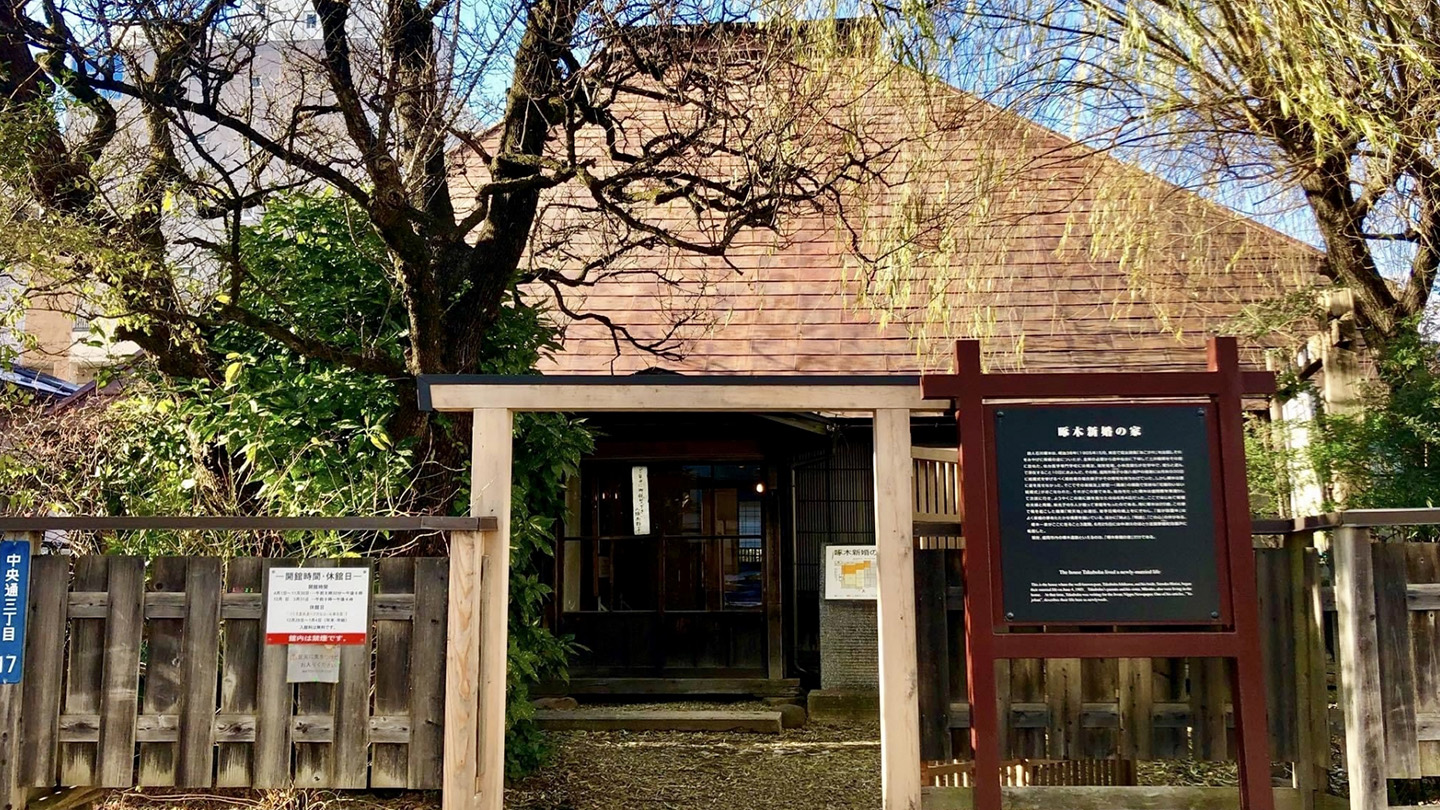
In a quiet corner of Morioka stands the Takuboku Newlywed House, where renowned poet Takuboku Ishikawa lived briefly with his wife in the early 1900s. This small wooden home preserves the intimate atmosphere of their short time together, offering a unique look into the personal life of one of Japan’s literary icons. The simple layout and handwritten notes on display let visitors step back in time and connect with Japan’s Meiji-era culture. It’s an ideal stop for anyone interested in Japanese literature or off-the-beaten-path things to do in Morioka.
Morioka Reimen (e.g., Pyonpyonsha)
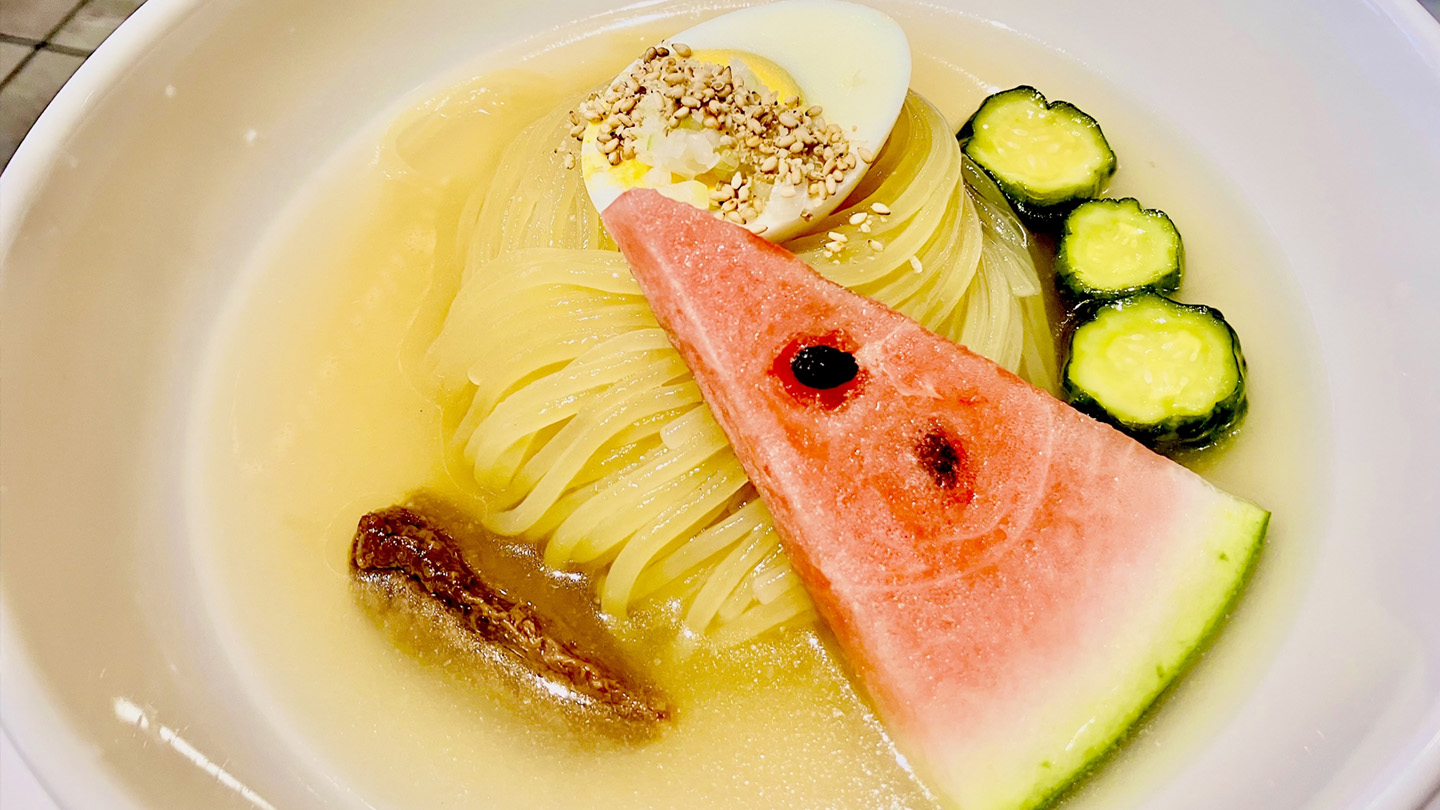
When visiting Morioka, trying Morioka Reimen is a must for food lovers. This chilled noodle dish features chewy, translucent noodles in a tangy, savory broth, often topped with sliced beef, cucumber, kimchi, and fruit like pear or watermelon. It’s especially popular in the summer, but available year-round at famous restaurants like Pyonpyonsha. Reimen reflects Morioka’s unique mix of Korean influence and local culinary traditions. Among the best things to do in Morioka is to enjoy this refreshing bowl after exploring nearby attractions like Iwate Park or the Morioka Handi-Works Square.
Iwate Park (Morioka Castle Site Park)
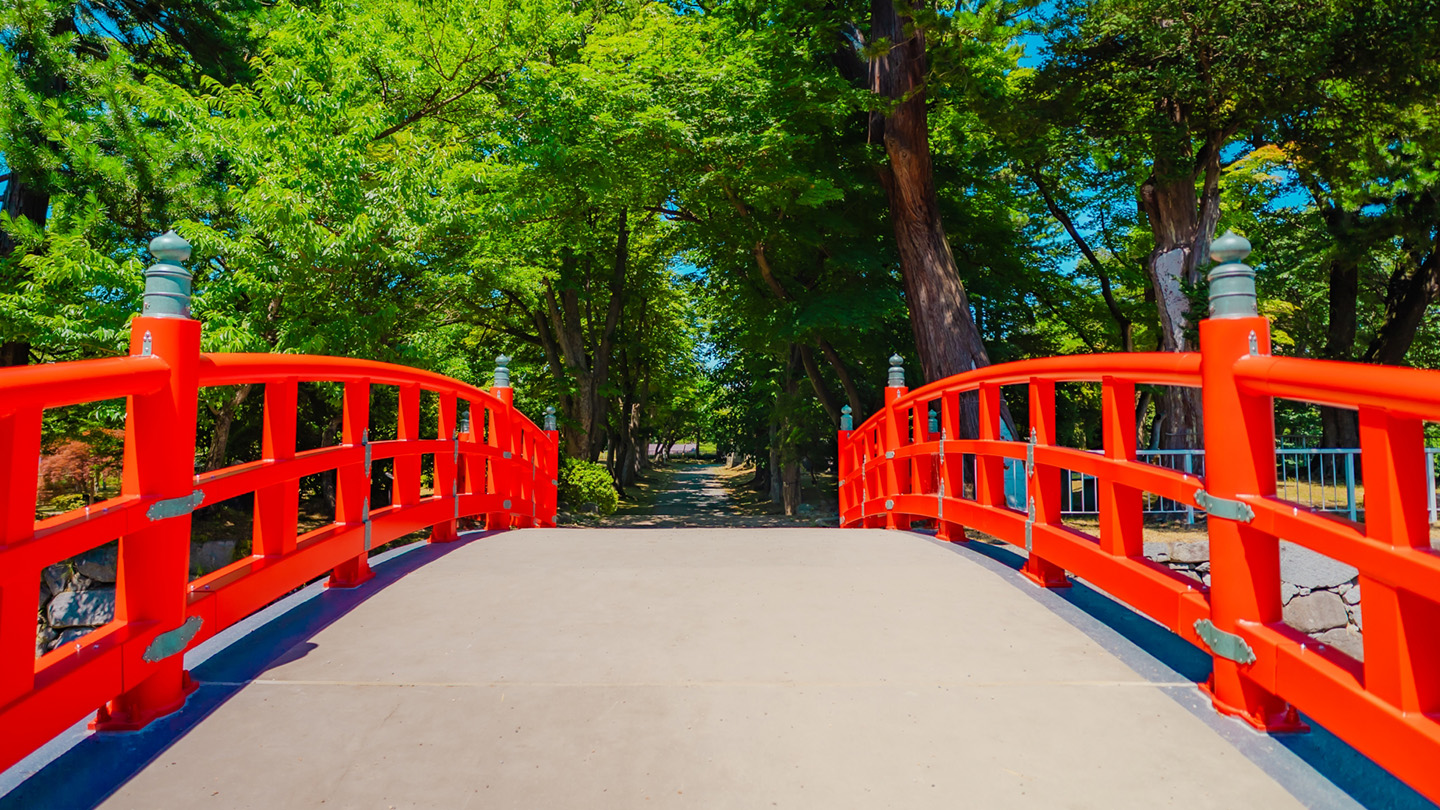
Iwate Park, also known as Morioka Castle Site Park, is a scenic spot in the heart of the city, built on the remains of Morioka Castle. Though the castle itself no longer stands, the stone walls and peaceful atmosphere remain, making it a popular place for walking, relaxing, and enjoying seasonal changes. In spring, cherry blossoms fill the park, while fall brings colorful foliage and quiet beauty. The park is also near cultural sites and shopping streets, making it easy to include in a full day of Morioka sightseeing. If you’re exploring things to do in Morioka, this park blends history and nature perfectly.
Former Morioka High Agricultural School Building (Related to Kenji Miyazawa)
This historic building once housed the Morioka High Agricultural School, where poet and scientist Kenji Miyazawa taught in the 1920s. Now open to the public, it offers exhibits about Miyazawa’s life and the early days of agricultural education in Japan. The elegant red-brick structure stands as a symbol of Morioka’s academic legacy and offers a quiet place for reflection. Fans of Japanese literature or those tracing Miyazawa’s journey will find this a meaningful stop. It’s also close to other Morioka attractions, making it easy to include in your cultural itinerary.
Morioka Handi-Works Square
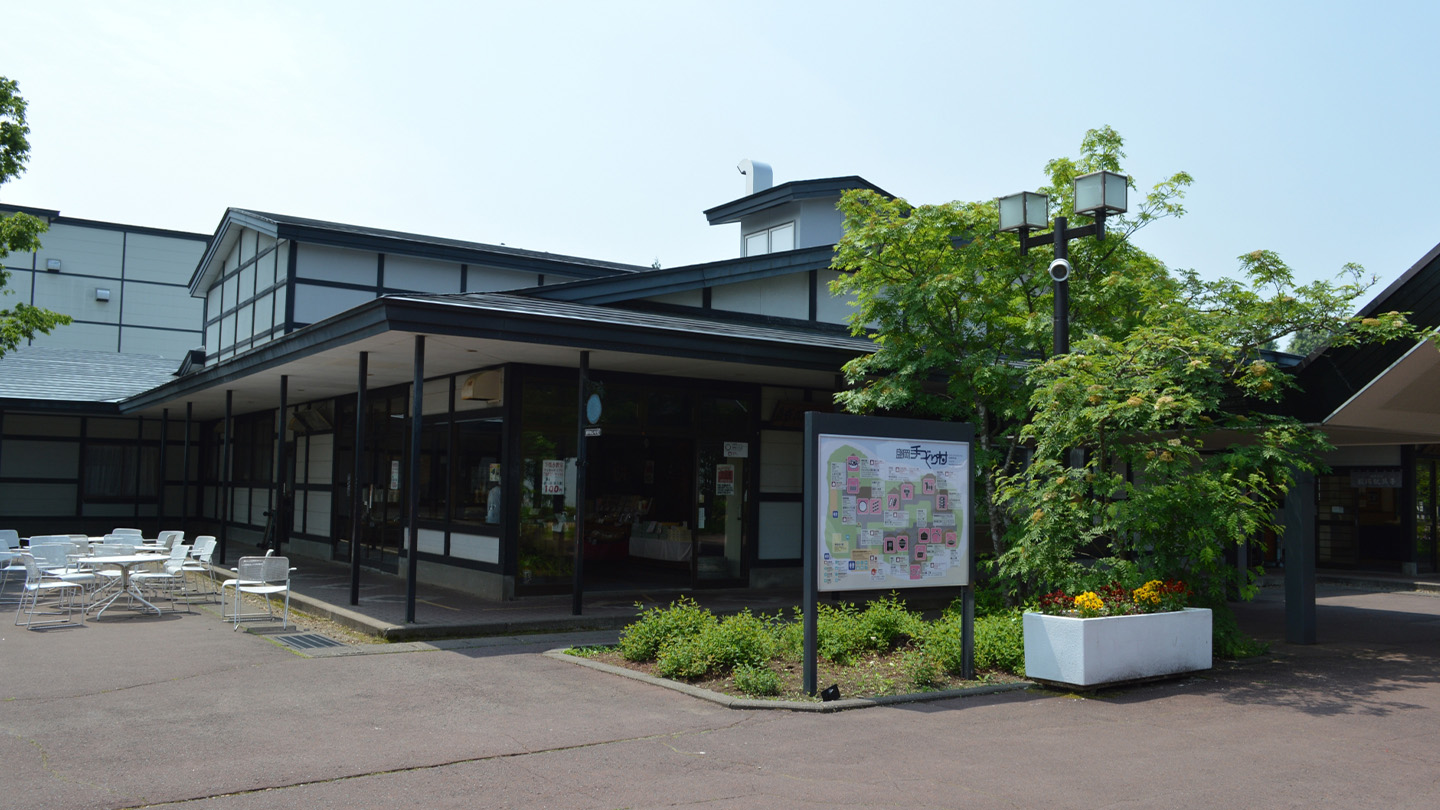
Morioka Handi-Works Square is a hands-on cultural center where you can try traditional Iwate crafts like ironware forging, indigo dyeing, and cookie baking. Great for families, solo travelers, and curious minds, the workshops are run by local artisans eager to share their skills. You can also watch live demonstrations and explore a gift shop full of handmade goods. The facility is easily accessible from central Morioka and is a fun, interactive way to connect with the region’s heritage. Looking for unique things to do in Morioka? This spot blends culture, creativity, and fun in one place.
List of Local Products and Traditional Crafts from Morioka
Jajamen Noodles
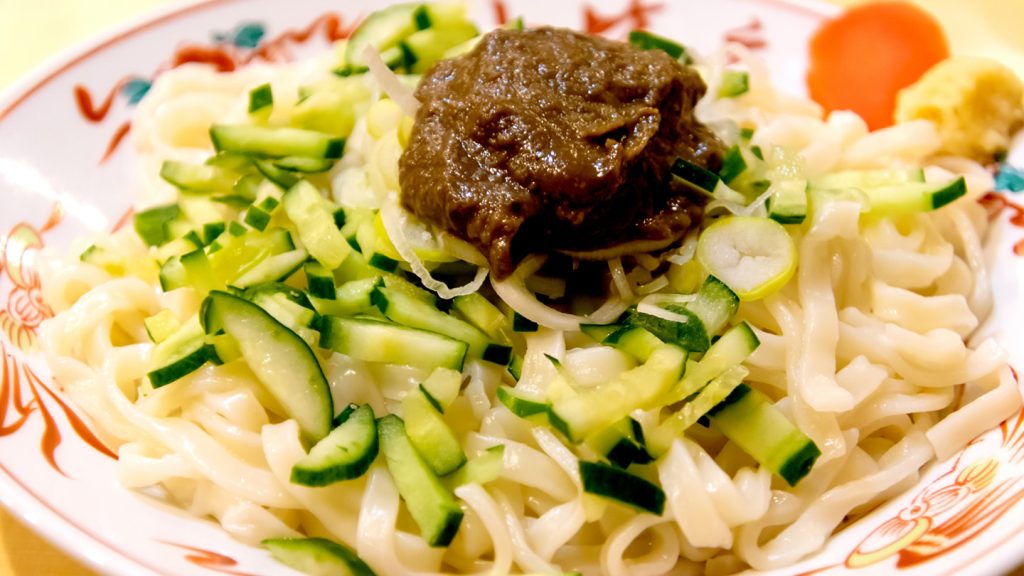
Jajamen is one of Morioka’s beloved local noodle dishes, with roots tracing back to Chinese-style Zhajiangmian. It features thick, chewy wheat noodles topped with a savory meat-miso sauce, sliced cucumbers, and ginger. Diners often customize the flavor with vinegar, garlic, or chili oil to suit their taste. The dish is especially enjoyable year-round, and it ends with a unique twist—after eating the noodles, a raw egg and hot soup are added to the bowl to create a comforting broth called “chi-tan-tan.” As part of Morioka’s “Three Great Noodles,” Jajamen reflects the city’s diverse culinary culture and its creative take on comfort food.
Wanko Soba
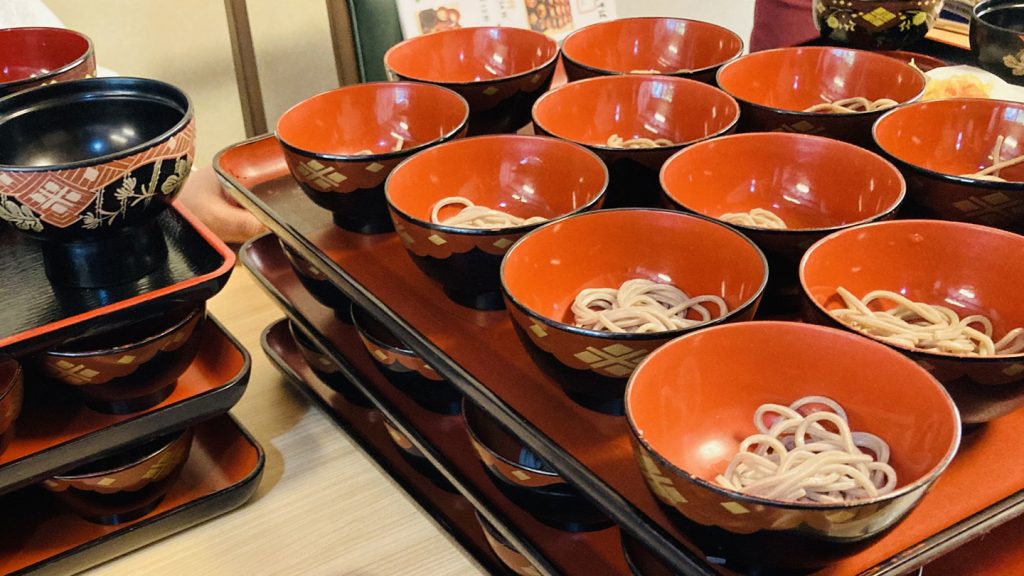
Wanko Soba is a fun and fast-paced dining tradition unique to Morioka. Instead of a single bowl, diners are served small portions of soba noodles in rapid succession—often stacked high to show how many you’ve eaten! It’s a festive way to enjoy handmade soba, and the experience is usually accompanied by traditional side dishes like pickles or tempura. This local custom is said to have started as a warm gesture of hospitality during feasts. Whether you join in for the challenge or simply to sample local flavors, Wanko Soba offers a lively, memorable slice of Iwate food culture.
Nambu Ironware
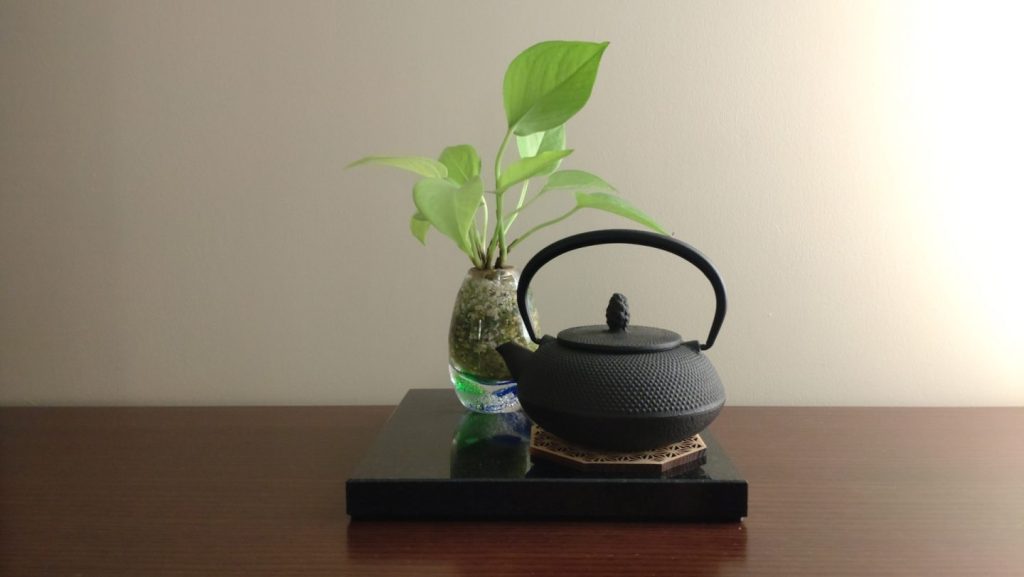
Nambu Ironware (Nambu Tekki) is a traditional cast iron craft from Morioka, known for its durability, simple beauty, and excellent heat retention. Originating in the 17th century under the Nambu clan, this craft has long been part of daily life in northern Japan—especially for making teapots and cookware. Each piece is handcrafted using time-honored techniques passed down through generations. The smooth, matte-black finish and detailed designs reflect both aesthetic charm and practical function. Exploring Nambu Ironware gives travelers insight into Morioka’s craftsmanship culture and its deep connection to history and everyday living.