


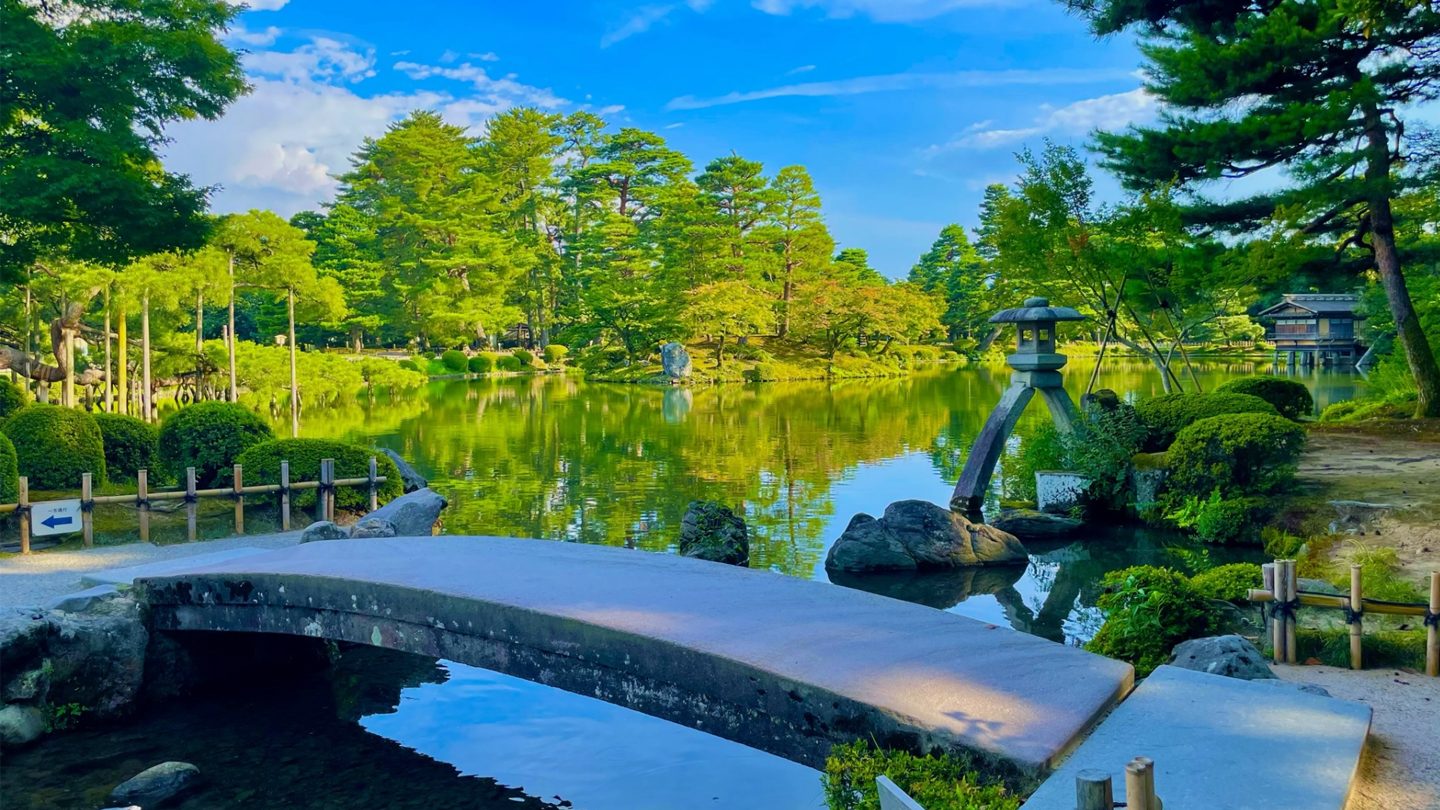
Top Attractions in Kanazawa for Sightseeing
How to Use the Map
Click on a destination to see a list of events in the area. Zoom in/out to zoom in/out on the map.
Keyboard shortcut: ← Move Left/→ Move Right/↑ Move Up/↓ Move Down/+ Zoom In/- Zoom Out
Kanazawa, located in Ishikawa Prefecture, is a city where traditional Japan and modern convenience come together in perfect harmony. Known for its rich samurai and geisha history, Kanazawa offers travelers a unique chance to experience authentic Japanese culture without the crowds of bigger cities. One of the city’s highlights is Kenrokuen Garden, considered one of the top three gardens in Japan, where seasonal beauty unfolds through cherry blossoms, vibrant summer greens, fiery autumn leaves, and snowy winter landscapes. Just nearby is Kanazawa Castle, with impressive gates and reconstructed turrets that offer a glimpse into the city’s feudal past. Visitors can also stroll through Higashi Chaya District, a well-preserved geisha neighborhood filled with wooden tea houses, gold leaf shops, and cafes. Speaking of gold, Kanazawa is known for its gold leaf crafts—even desserts like soft-serve ice cream come topped with real gold leaf. Local cuisine is another highlight of Kanazawa travel, especially in winter when fresh seafood from the Japan Sea is at its peak. Try Kaisen-don (seafood rice bowl) or traditional dishes at the bustling Omicho Market. With easy access via the Hokuriku Shinkansen from Tokyo, Kanazawa makes a rewarding stop for those looking to explore the quieter, culturally rich side of Japan.
Recommended Local Products and Traditional Crafts in Kanazawa
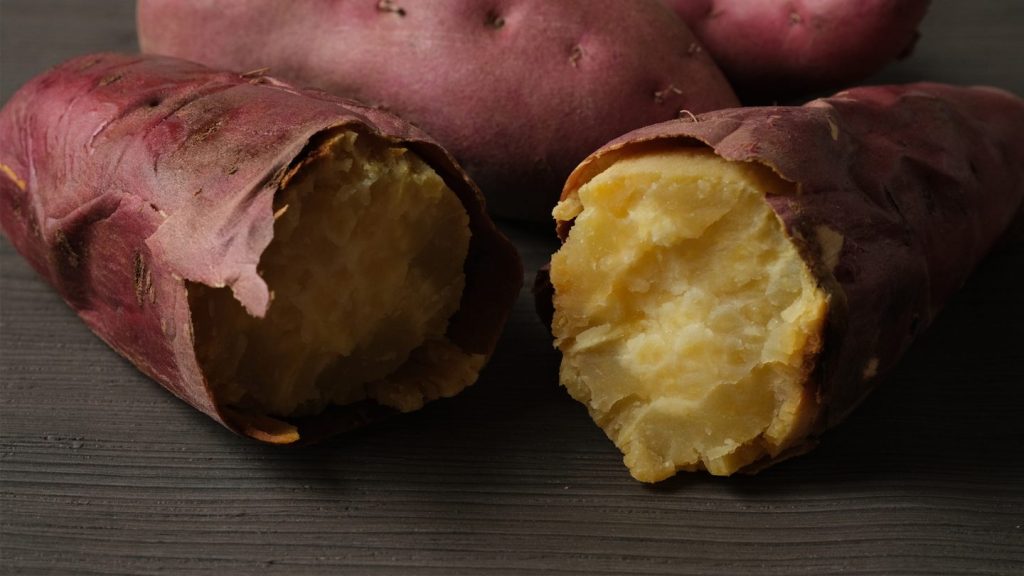
Gorojima Kintoki
If you’re exploring Kanazawa travel and looking to connect with the region’s rich food culture, don’t miss Gorojima Kintoki, a traditional sweet potato that’s been cultivated in the area for generations. Recognized as one of the prized Kaga vegetables, this local specialty is grown with care in the sandy soils near the coast, a unique environment that gives the potato its fluffy texture and naturally elegant sweetness. In Kanazawa, Gorojima Kintoki is enjoyed in many forms—from simple roasted or steamed slices to beautifully crafted Japanese sweets and sweet potato pastries. Local chefs also incorporate it into modern dishes, making it a versatile ingredient that reflects the balance of tradition and creativity in Kanazawa cuisine. The harvest season peaks in autumn, when fresh Gorojima Kintoki fills local markets and roadside stands, drawing food lovers in search of its seasonal flavor. For those wanting a hands-on experience, some farms near the city offer harvest tours, making it a fun and memorable part of your Ishikawa food adventure. As one of Kanazawa’s local specialties, Gorojima Kintoki represents more than just a regional ingredient—it’s a symbol of the city’s close relationship with nature, tradition, and good food.
Explore Kanazawa: Top Spots and Must-Know Topic
Kenrokuen Garden
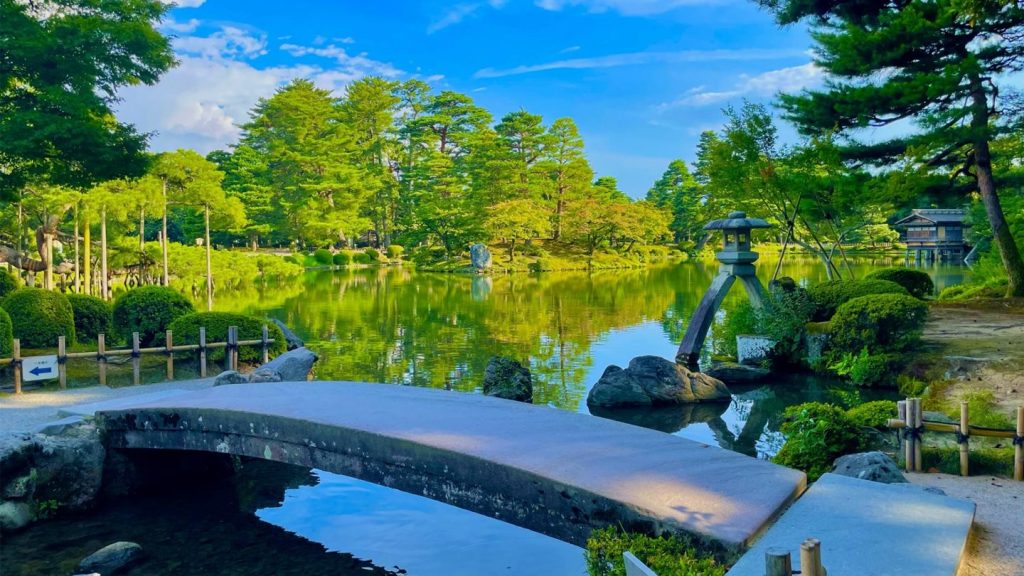
Kenrokuen Garden is one of Japan’s “Three Great Gardens” and a must-see among Kanazawa attractions. Created during the Edo period by the ruling Maeda clan, this expansive landscape garden embodies harmony between beauty, balance, and nature. Walking paths lead visitors past tranquil ponds, stone lanterns, and teahouses, each offering a different seasonal charm — cherry blossoms in spring, lush greenery in summer, colorful foliage in autumn, and the elegant yukitsuri (snow-protection ropes) in winter. Kenrokuen perfectly captures Japan’s traditional garden aesthetics and remains one of the top things to do in Kanazawa for travelers seeking timeless elegance and peaceful scenery.
Kanazawa Castle Park
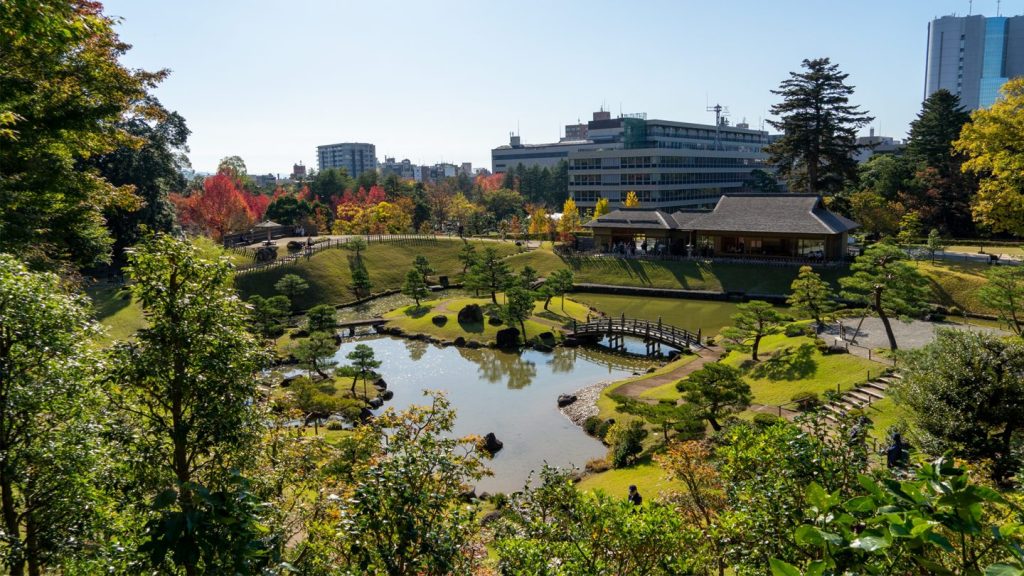
Located next to Kenrokuen Garden, Kanazawa Castle Park blends rich history with natural beauty. Once the seat of the powerful Maeda clan, the restored castle structures—such as the Hishi Yagura turret and Gojukken Nagaya warehouse—highlight the region’s architectural craftsmanship with their white lead roof tiles and impressive stone walls. The vast grounds are ideal for strolling year-round, offering vibrant cherry blossoms in spring and golden hues in autumn. Easily accessible and rich in history, Kanazawa Castle Park is one of the city’s most captivating historical attractions and an essential stop for anyone exploring Kanazawa travel.
Higashi Chaya District
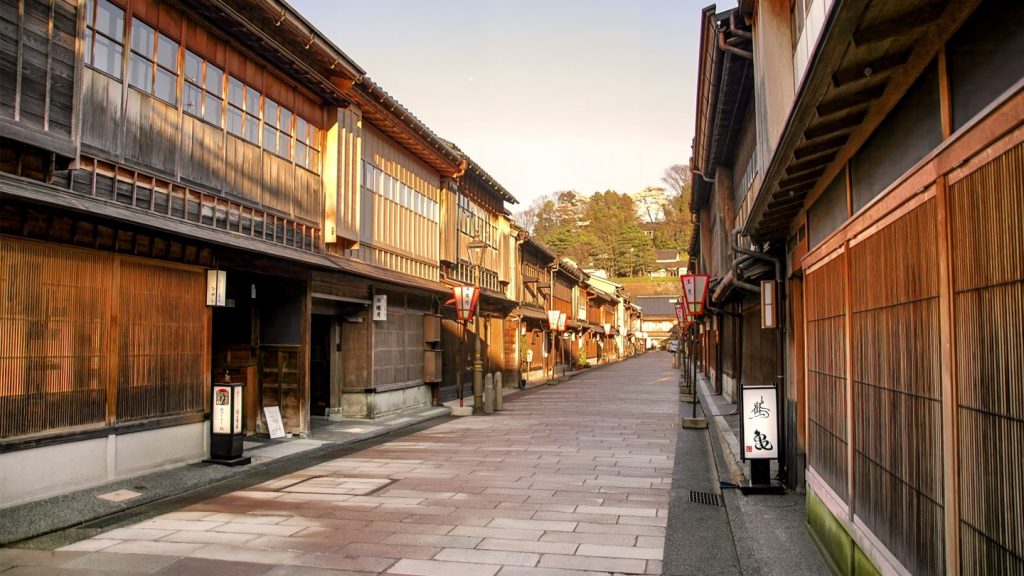
The Higashi Chaya District is a beautifully preserved geisha entertainment quarter that transports visitors back to Edo-period Japan. Its charming streets feature traditional wooden teahouses with lattice façades, lined with gold leaf shops, Japanese confectioneries, and stylish cafés. As evening falls, warm lights glow through the lattice windows, creating a magical atmosphere perfect for photography. Visitors can also experience Kanazawa’s refined culture through tea ceremonies or local crafts. A symbol of the city’s heritage, this district stands out as one of the most atmospheric things to do in Kanazawa, where history and modern elegance coexist seamlessly.
Omicho Market
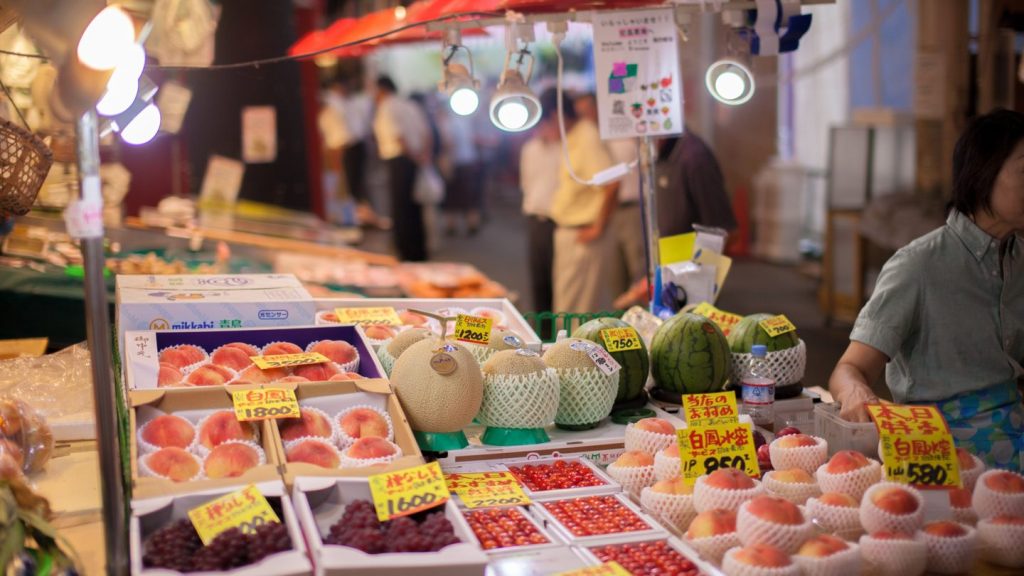
Nicknamed “Kanazawa’s Kitchen,” Omicho Market has been the heart of local life for centuries. With around 170 stalls and restaurants, it offers a vibrant taste of Kanazawa food culture. Visitors can savor fresh seafood such as sushi, sashimi, and seafood rice bowls, or enjoy local specialties like Kaga vegetables and sweet treats while exploring the lively aisles. The market buzzes with both locals and tourists from early morning, creating an energetic yet welcoming atmosphere. As one of the top Kanazawa attractions, Omicho Market is the perfect place to experience the region’s seasonal flavors and warm hospitality.
Visit Japan Web makes entering Japan easy — all in one place.
Prepare your entry procedures online before you travel.
Complete Quarantine, Immigration, and Customs forms smoothly with just a few taps.
Register anytime — before or during your trip — and simply show your QR code at the airport for a faster arrival.
Learn more about Visit Japan Web
Visit Japan Web makes entering Japan easy — all in one place.
Prepare your entry procedures online before you travel.
Complete Quarantine, Immigration, and Customs forms smoothly with just a few taps.
Register anytime — before or during your trip — and simply show your QR code at the airport for a faster arrival.
Learn more about Visit Japan Web
21st Century Museum of Contemporary Art, Kanazawa

The 21st Century Museum of Contemporary Art is a landmark of modern creativity in Kanazawa. Designed as a circular, open-concept building, it encourages visitors to freely explore art both indoors and out. Exhibits include interactive installations like Leandro Erlich’s “Swimming Pool,” a world-famous Kanazawa attraction that’s perfect for photos. The museum’s architecture and accessible layout embody the concept of art integrated into daily life. Surrounded by a peaceful park, it’s an inspiring stop for art lovers and casual visitors alike. This museum reflects the forward-thinking spirit of Kanazawa travel, where tradition and innovation meet.
Nagamachi Samurai District
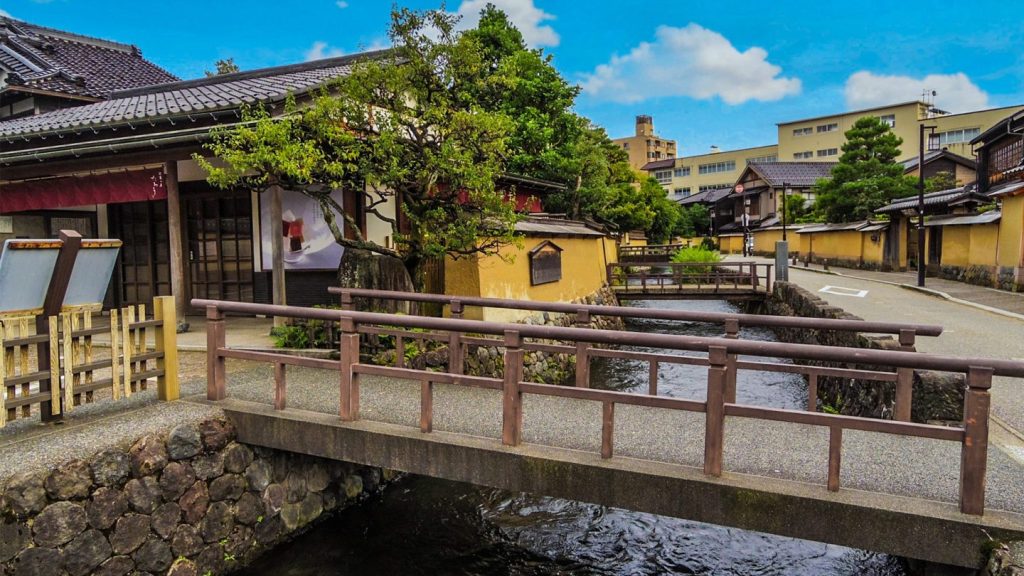
The Nagamachi Samurai District is one of the most atmospheric Kanazawa attractions, offering a glimpse into the life of samurai families from the Edo period. Located in central Kanazawa, this preserved neighborhood features earthen walls, narrow stone-paved lanes, and traditional wooden houses that transport visitors back in time. Some residences are open to the public, displaying artifacts and interiors that showcase the refined lifestyle of middle-ranking samurai. The peaceful ambience makes it a favorite spot for history lovers and photographers alike. Strolling through this area is one of the most memorable things to do in Kanazawa, where the city’s historical charm can truly be felt.
Kanazawa Station Tsuzumi-mon Gate & Motenashi Dome
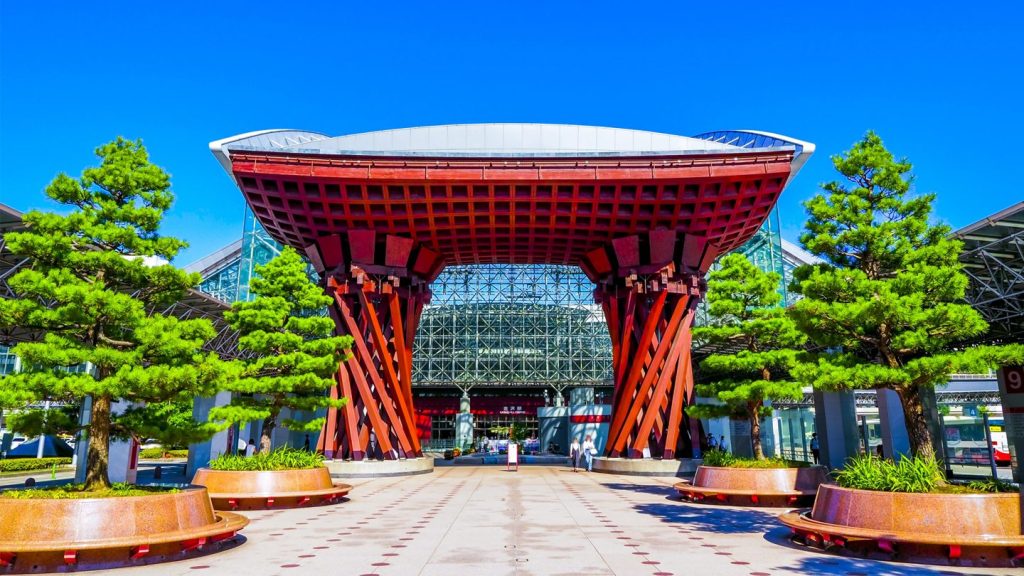
The Tsuzumi-mon Gate at Kanazawa Station serves as the symbolic entrance to the city, welcoming visitors with a design inspired by traditional Japanese hand drums used in Noh performances. Behind it stands the glass-covered Motenashi Dome, representing the spirit of hospitality that defines Kanazawa travel. Both structures combine tradition and modern architecture beautifully, especially when illuminated at night. The station area also offers shopping, dining, and travel information centers, making it a convenient and visually stunning starting point for exploring Kanazawa’s top sightseeing spots.
Kanazawa Yasue Gold Leaf Museum

The Kanazawa Yasue Gold Leaf Museum showcases the city’s long-standing tradition of gold leaf craftsmanship—Kanazawa produces over 99% of Japan’s gold leaf. Inside, visitors can learn about the delicate production process, admire glittering artworks, and even try their hand at applying gold leaf themselves. The museum highlights the skill and artistry that have made gold leaf a symbol of Kanazawa’s culture. It’s a must-see cultural stop for anyone interested in traditional Japanese crafts and Kanazawa’s artistic heritage.Closed from Monday, December 1, 2025 to Thursday, March 5, 2026 due to lighting equipment renovation work.
Seisonkaku Villa
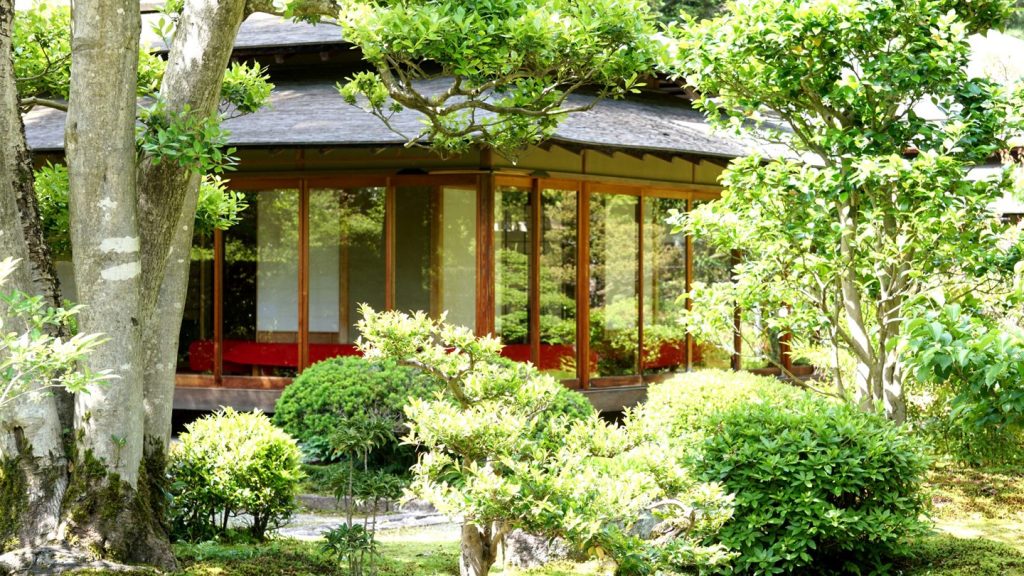
Located next to the famous Kenrokuen Garden, Seisonkaku Villa was built in the 19th century by Lord Maeda Nariyasu for his mother. The villa is a masterpiece of refined architecture and design, showcasing the elegant lifestyle of the Kaga Clan’s upper class. Visitors can appreciate its traditional tatami rooms, painted screens, and seasonal views of the garden from every angle. Blending history, art, and tranquility, Seisonkaku remains one of the most beautiful cultural attractions in Kanazawa—a place where Edo-era sophistication lives on.
Ninja Temple
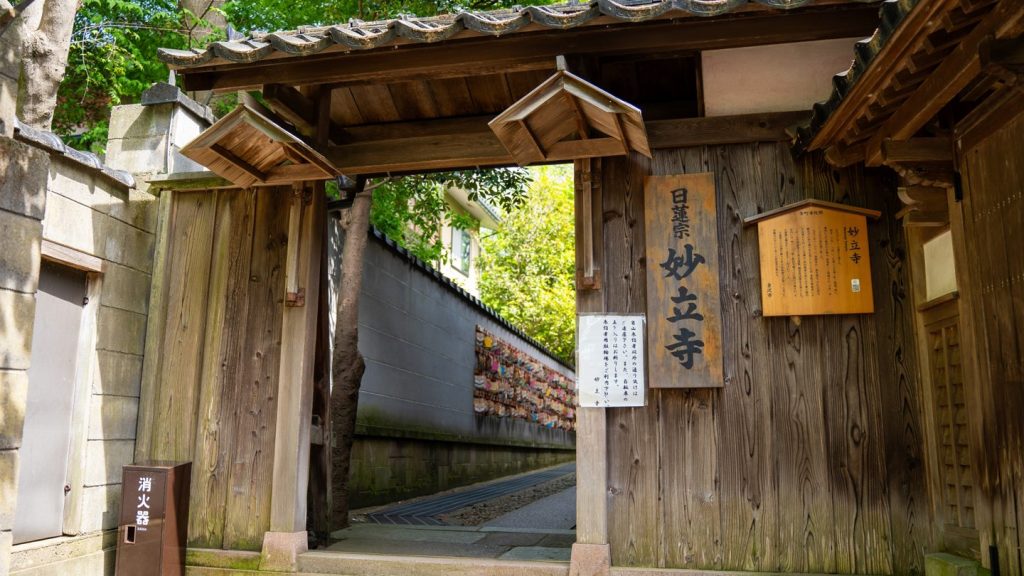
Nicknamed the “Ninja Temple,” Myoryuji is one of Kanazawa’s most intriguing attractions. Despite its modest exterior, the temple hides an elaborate network of secret staircases, trapdoors, hidden rooms, and escape routes. Built by the Maeda Clan for defense rather than stealth, it’s a remarkable example of Edo-period ingenuity. Visitors can explore the interior on guided tours, learning how architecture and strategy were intertwined in samurai culture. This one-of-a-kind experience makes Myoryuji a standout among things to do in Kanazawa, appealing to history buffs and families alike.
List of Local Products and Traditional Crafts from Kanazawa
Kaga Vegetables
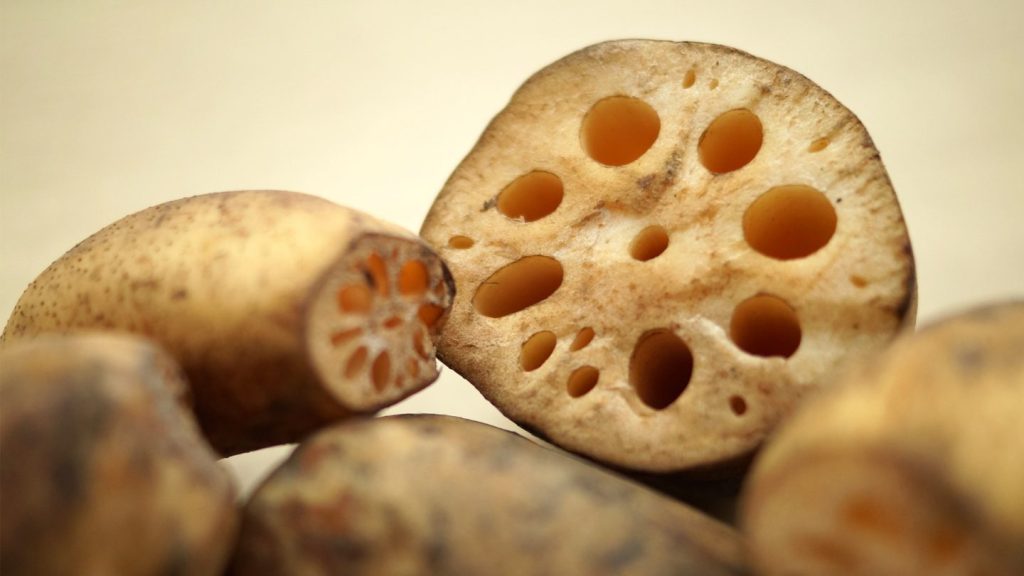
Kaga Vegetables are a cherished part of Kanazawa’s food culture, representing centuries of agricultural tradition in the region. Fifteen varieties are officially recognized as “Kaga Yasai,” including Gorojima sweet potatoes, Kaga lotus roots, and Kinjiso greens. Each vegetable carries a distinct flavor and texture, shaped by Kanazawa’s fertile soil and seasonal climate. Visitors can taste dishes made with Kaga Vegetables at local restaurants or find them fresh in traditional markets like Omicho Market. Deeply rooted in daily life and culinary heritage, these vegetables reflect the natural rhythm and history of Kanazawa cuisine.
Kaga Bocha (Roasted Green Tea)

Kaga Bocha is a unique roasted green tea originating from Kanazawa, known for its fragrant aroma and smooth, refreshing flavor. Unlike typical green teas made from leaves, Kaga Bocha uses roasted stems, giving it a mild taste and toasty scent that pairs beautifully with Japanese sweets or savory meals. Developed after World War II, this tea quickly became a local favorite and a symbol of Kanazawa’s tea culture. Whether enjoyed at a teahouse or after a traditional meal, Kaga Bocha offers a comforting taste of everyday life in Kanazawa.
Kaga Wheat Gluten (Kaga Fu)
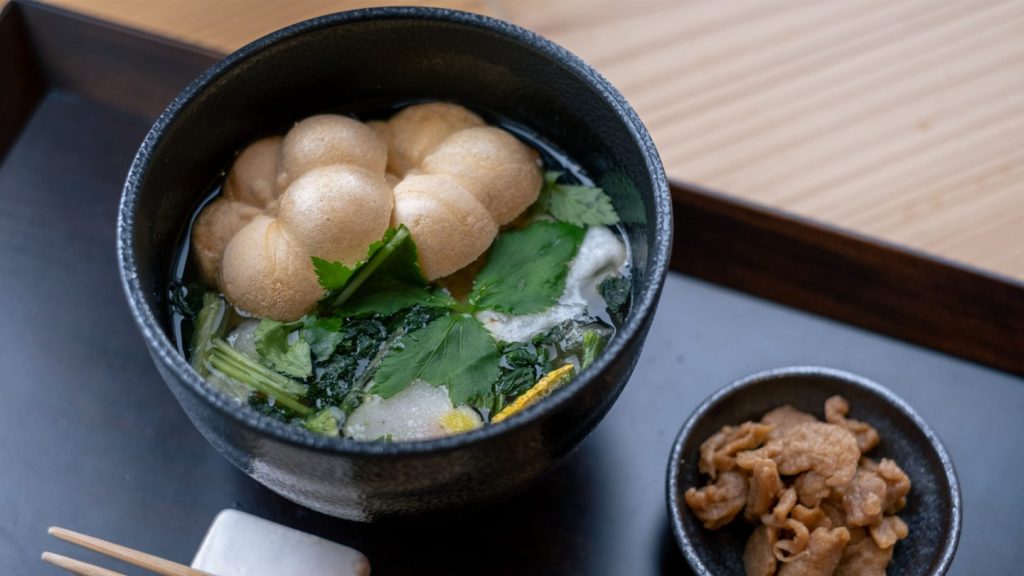
Kaga Fu, or wheat gluten, is an essential ingredient in traditional Kanazawa cuisine, known for its soft, chewy texture and ability to absorb rich flavors. Crafted using time-honored methods, it comes in many forms—from simple ring-shaped fu to elaborately decorated pieces used in fine dining. Kaga Fu plays a vital role in soups, simmered dishes, and Buddhist vegetarian meals, adding both flavor and visual elegance. As a reflection of Kanazawa’s culinary artistry, this humble yet versatile food continues to connect the city’s modern dining with its refined cultural roots.