


Top Attractions in Tsukuba for Sightseeing
How to Use the Map
Click on a destination to see a list of events in the area. Zoom in/out to zoom in/out on the map.
Keyboard shortcut: ← Move Left/→ Move Right/↑ Move Up/↓ Move Down/+ Zoom In/- Zoom Out
Contents
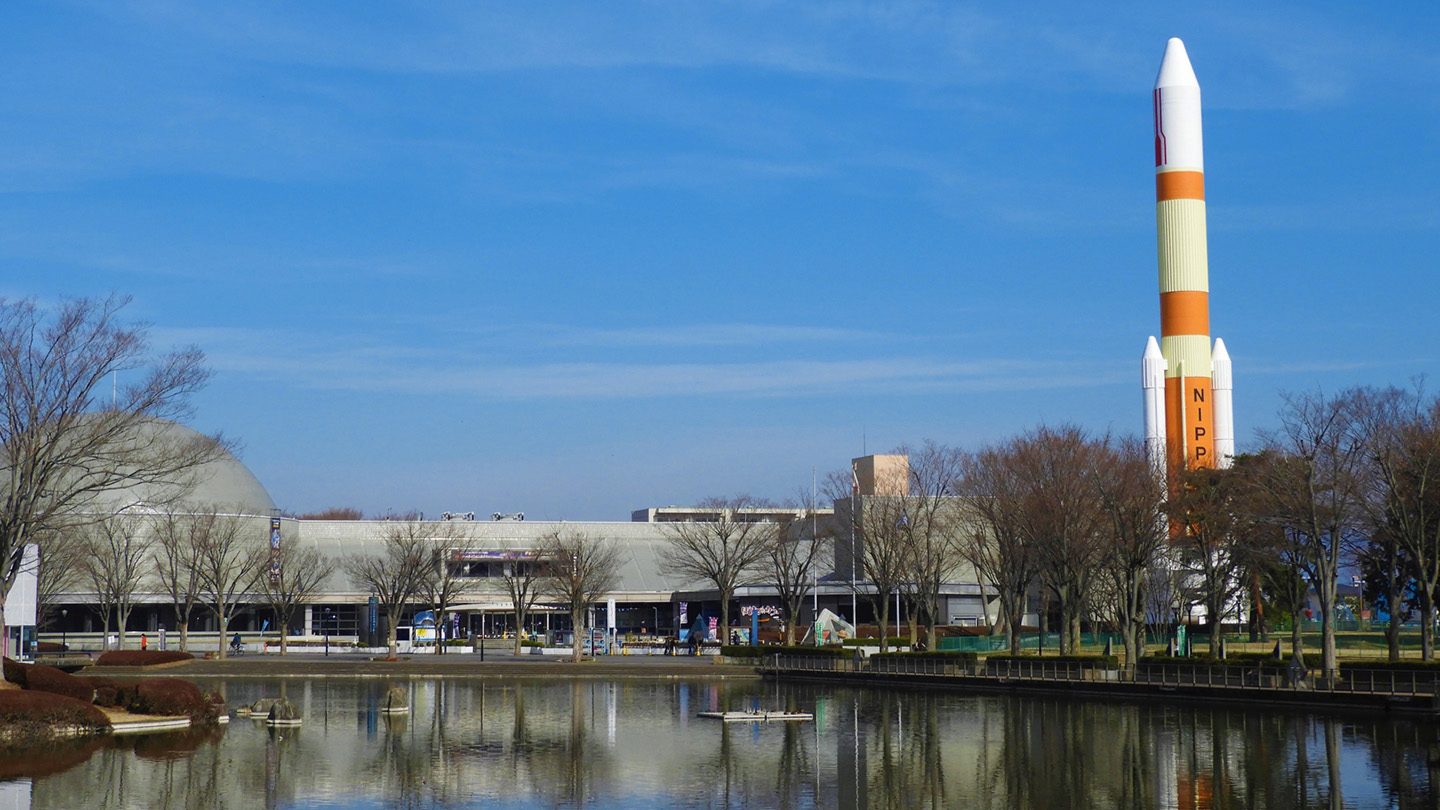
Tsukuba, located just an hour from Tokyo by train, is a unique destination blending cutting-edge science with rich natural beauty and cultural charm. Often called Japan’s “Science City,” Tsukuba is home to more than 300 research institutes, including the Tsukuba Space Center, where visitors can learn about Japan’s space program and see real rocket components. But Tsukuba is more than just labs and technology. Mount Tsukuba, one of Japan’s most famous peaks, offers scenic hiking trails and panoramic views that change with the seasons—from cherry blossoms in spring to colorful foliage in autumn. At the mountain’s base, you’ll find Tsukubasan Shrine, a peaceful spiritual spot that adds a cultural layer to your visit. Tsukuba travel is also a treat for food lovers. Try local Ibaraki specialties like natto (fermented soybeans) or sweet and juicy pears, and enjoy fresh produce at local farmers’ markets. The city offers a relaxed atmosphere, easy access, and a chance to experience both Japan’s future and its traditions in one place. For travelers interested in innovation, nature, and authentic culture, Tsukuba is one of the hidden gems of Japan tourism.
Recommended Local Products and Traditional Crafts in Tsukuba
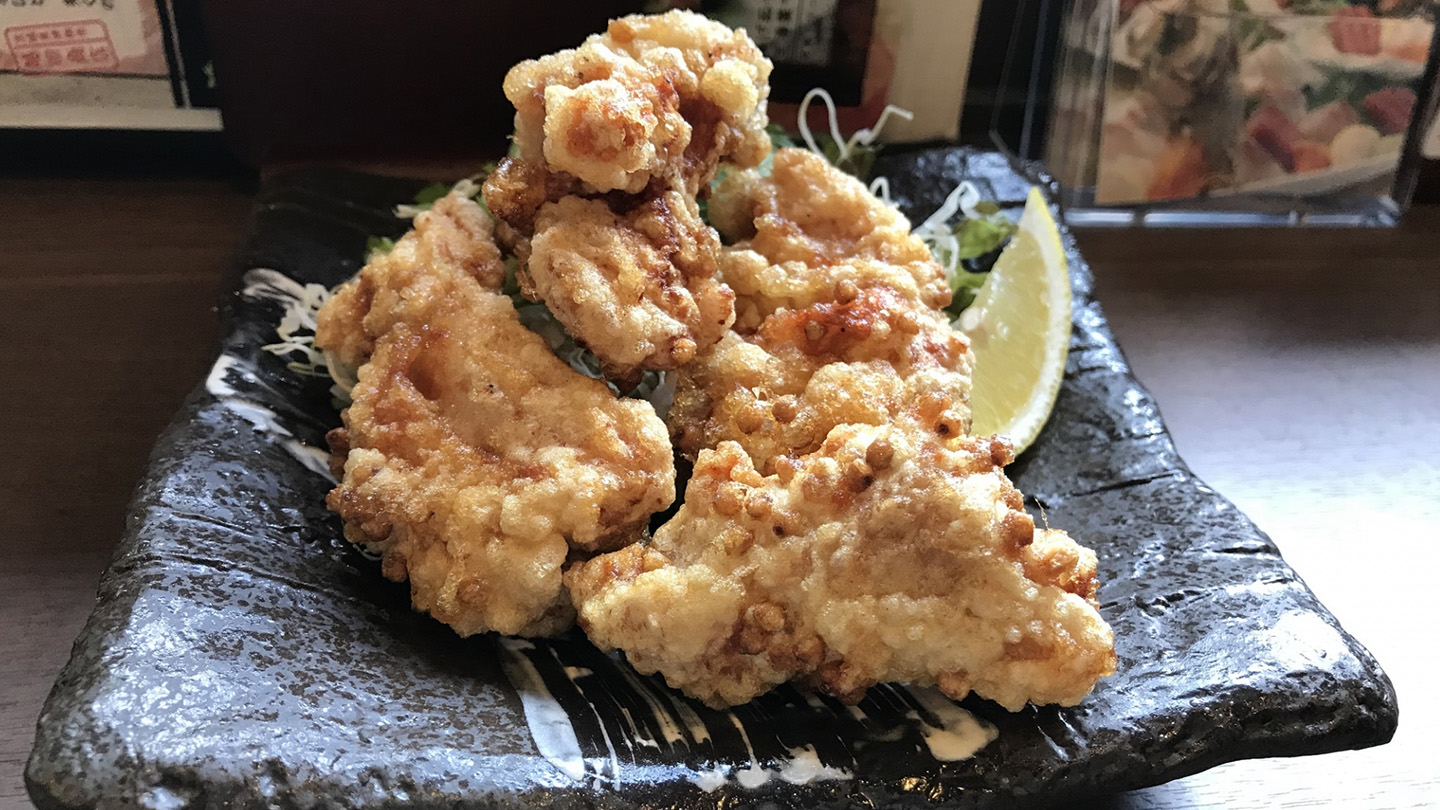
Tsukuba Chicken
Tsukuba Chicken is a local specialty from Tsukuba, Ibaraki, known for its tender texture and rich, savory flavor. Raised with care in the region’s clean environment and spacious farms, these chickens are fed a balanced diet that contributes to their exceptional quality. Popular among both chefs and locals, Tsukuba Chicken is often grilled, fried, or simmered in hot pot dishes, showcasing its juicy and well-balanced taste. Tsukuba’s moderate climate and proximity to nature create ideal conditions for raising healthy poultry, making this chicken not just a tasty treat but a product of its surroundings. For food lovers exploring Ibaraki food culture, this regional delight offers a true taste of the area’s culinary identity. Whether you’re enjoying yakitori in a local izakaya or picking up fresh cuts at a market, Tsukuba Chicken is a flavorful highlight worth discovering. When planning your Tsukuba travel, exploring the city’s local specialties like this is a great way to connect with the region’s food heritage.
Explore Tsukuba: Top Spots and Must-Know Topic
Mt. Tsukuba
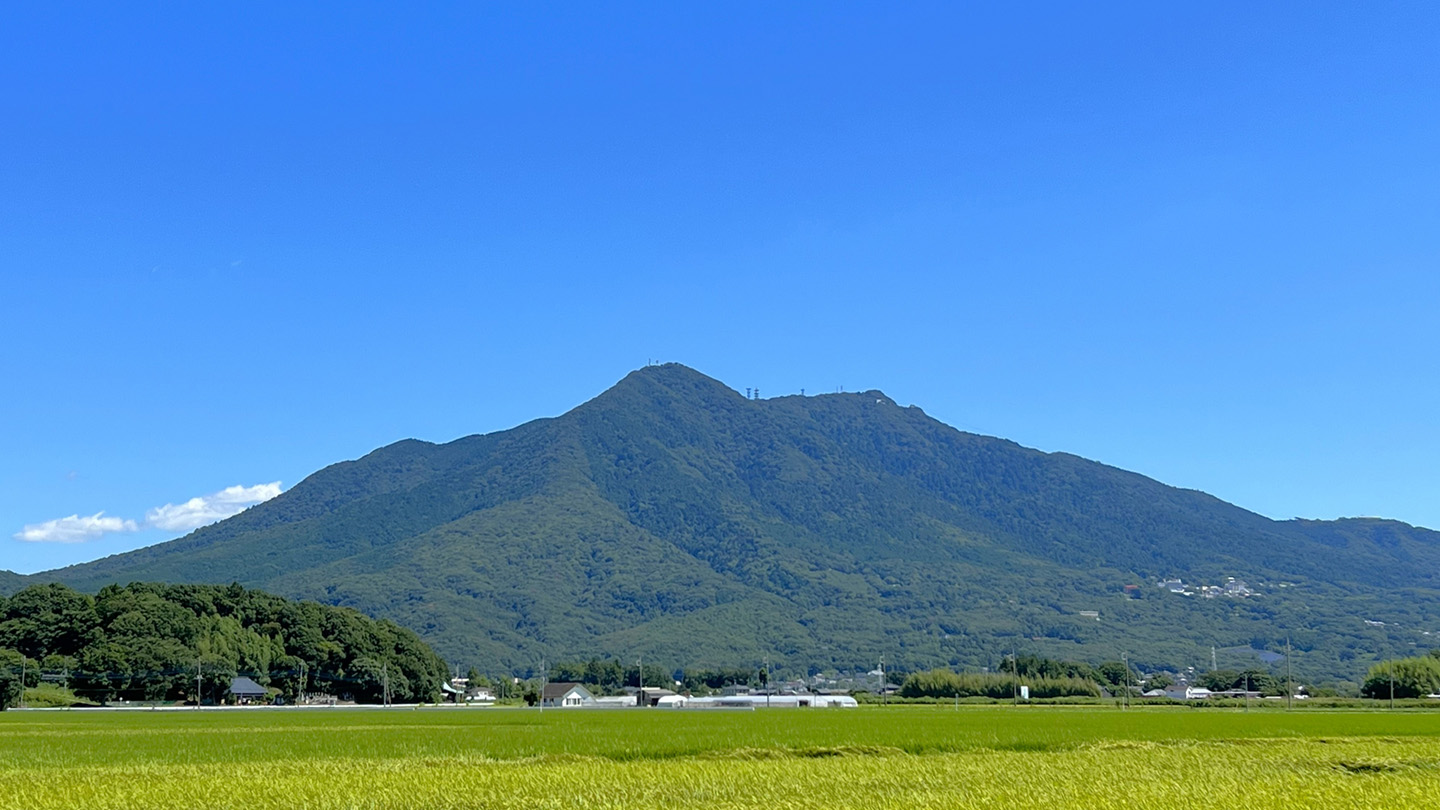
Mt. Tsukuba is one of Japan’s most famous mountains, offering stunning views and a rich spiritual history. Known for its twin peaks—Nyotai-san and Nantai-san—it’s often called the “Purple Mountain” due to the way it glows at sunset. Hiking trails range from beginner-friendly paths to more challenging routes, making it a great option for travelers of all levels. You can also take a cable car or ropeway for a more relaxed ascent. In autumn, the fall colors are breathtaking. Just an hour or two from Tokyo, Mt. Tsukuba is a perfect day trip for nature lovers looking to explore Ibaraki.
Tsukuba Expo Center
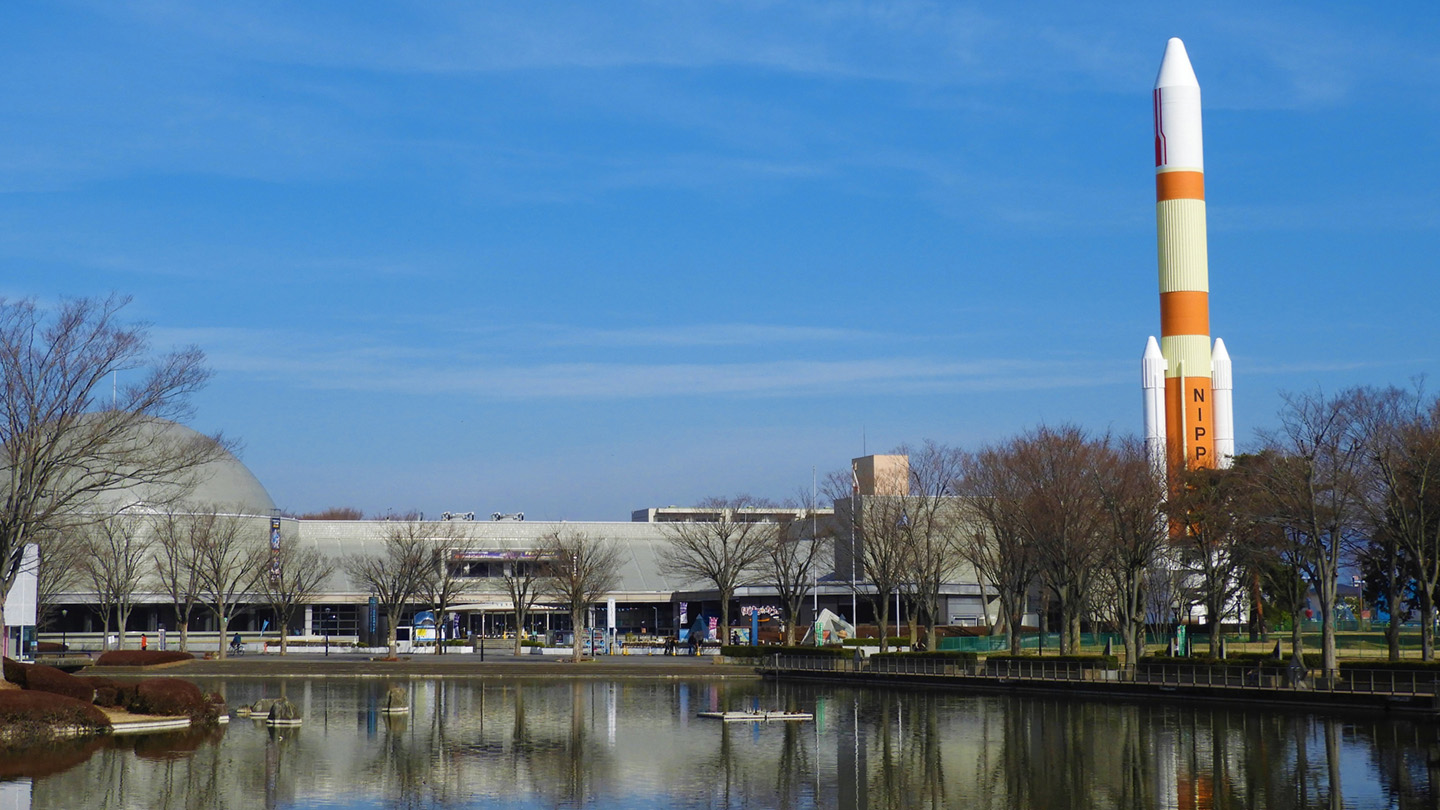
The Tsukuba Expo Center brings science to life with interactive exhibits and one of the largest planetariums in Japan. Originally built for the 1985 International Exposition, this center continues to spark curiosity with hands-on displays covering everything from robotics to space exploration. It’s great for families, students, or anyone curious about the future of technology. The planetarium shows are visually stunning, and many exhibits have English explanations. Located in central Tsukuba, it’s easily accessible from Tsukuba Station, and pairs well with other educational attractions in the area.
Tsukuba Space Center (JAXA)
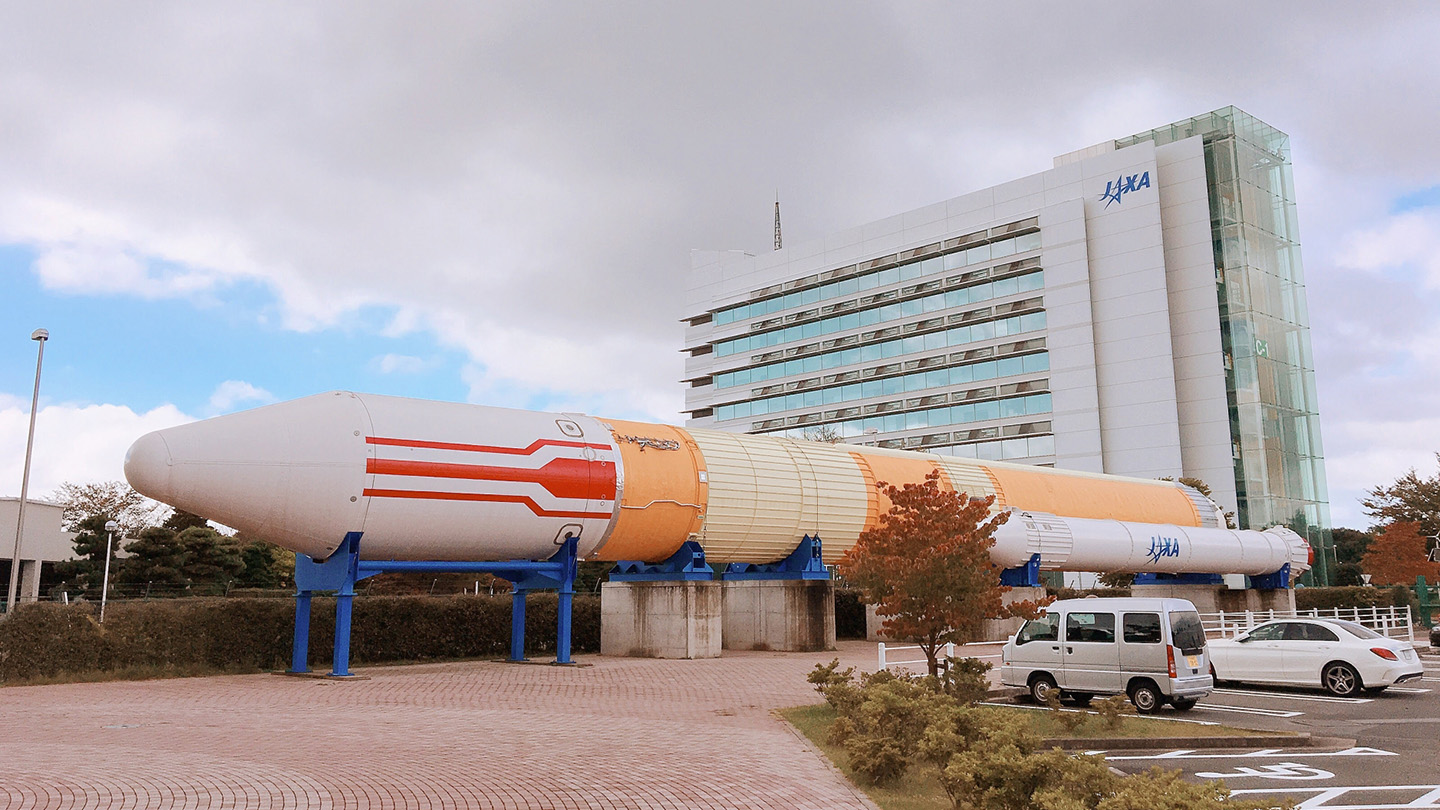
Tsukuba Space Center, operated by JAXA (Japan Aerospace Exploration Agency), is where Japan’s space dreams come to life. Visitors can learn about real missions, view full-scale satellite and rocket models, and explore the history of Japanese space development. While guided tours require reservations, the free exhibition hall offers plenty to see. It’s a rare chance to get up close with the world of astronauts and space science. Just a short bus ride from Tsukuba Station, it’s a top spot for tech enthusiasts and families alike, and one of the most unique things to do in Ibaraki.
Geological Museum
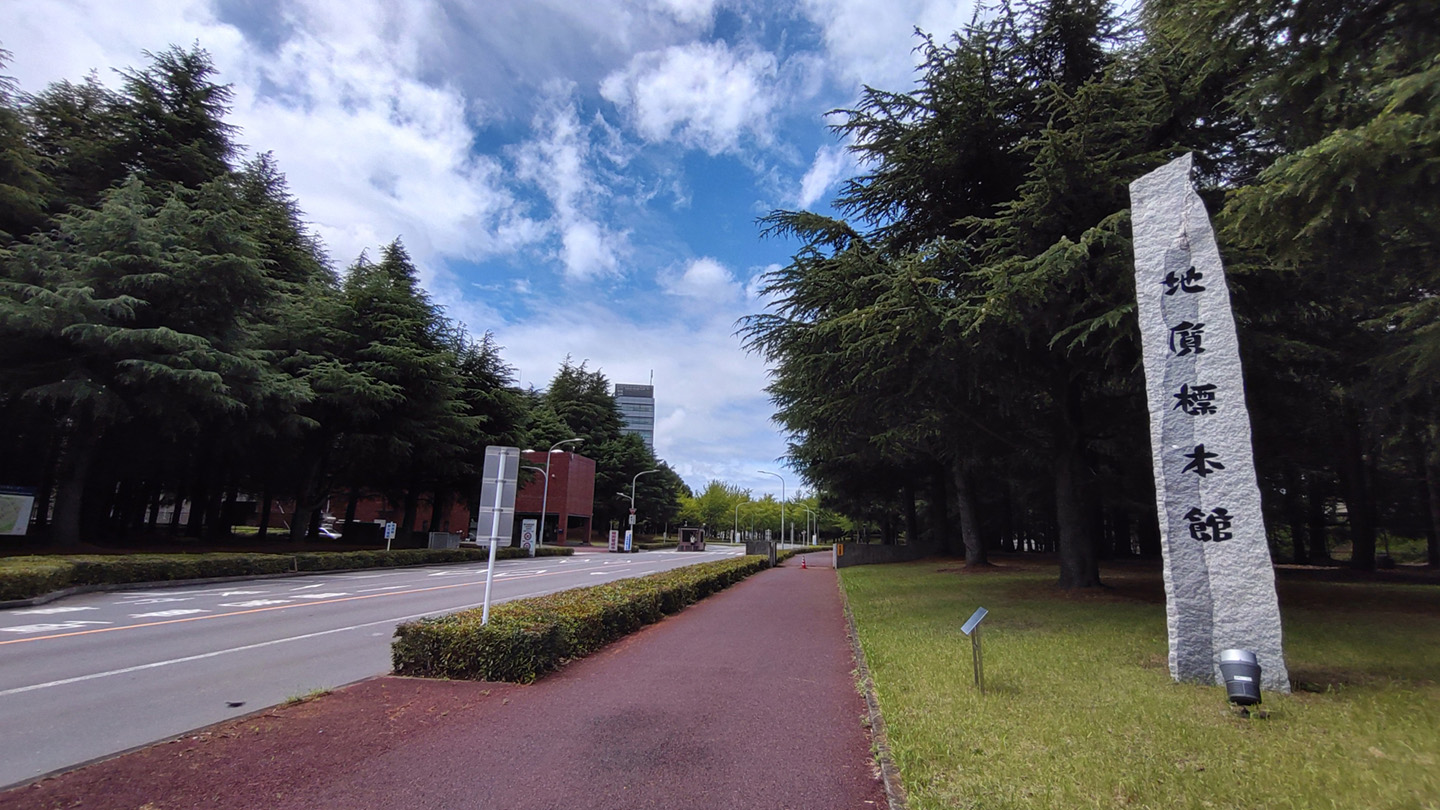
Operated by the National Institute of Advanced Industrial Science and Technology (AIST), the Geological Museum in Tsukuba is a fascinating place to explore the history of our planet. With detailed exhibits on fossils, minerals, and tectonic activity, it’s both educational and visually engaging. Kids can enjoy hands-on displays, while geology fans will appreciate the depth of scientific information. Seasonal exhibits often highlight local geological features. Located near other research facilities and museums, it’s a great stop for anyone curious about earth sciences during a Tsukuba visit.
Visit Japan Web makes entering Japan easy — all in one place.
Prepare your entry procedures online before you travel.
Complete Quarantine, Immigration, and Customs forms smoothly with just a few taps.
Register anytime — before or during your trip — and simply show your QR code at the airport for a faster arrival.
Learn more about Visit Japan Web
Visit Japan Web makes entering Japan easy — all in one place.
Prepare your entry procedures online before you travel.
Complete Quarantine, Immigration, and Customs forms smoothly with just a few taps.
Register anytime — before or during your trip — and simply show your QR code at the airport for a faster arrival.
Learn more about Visit Japan Web
Tsukuba Botanical Garden
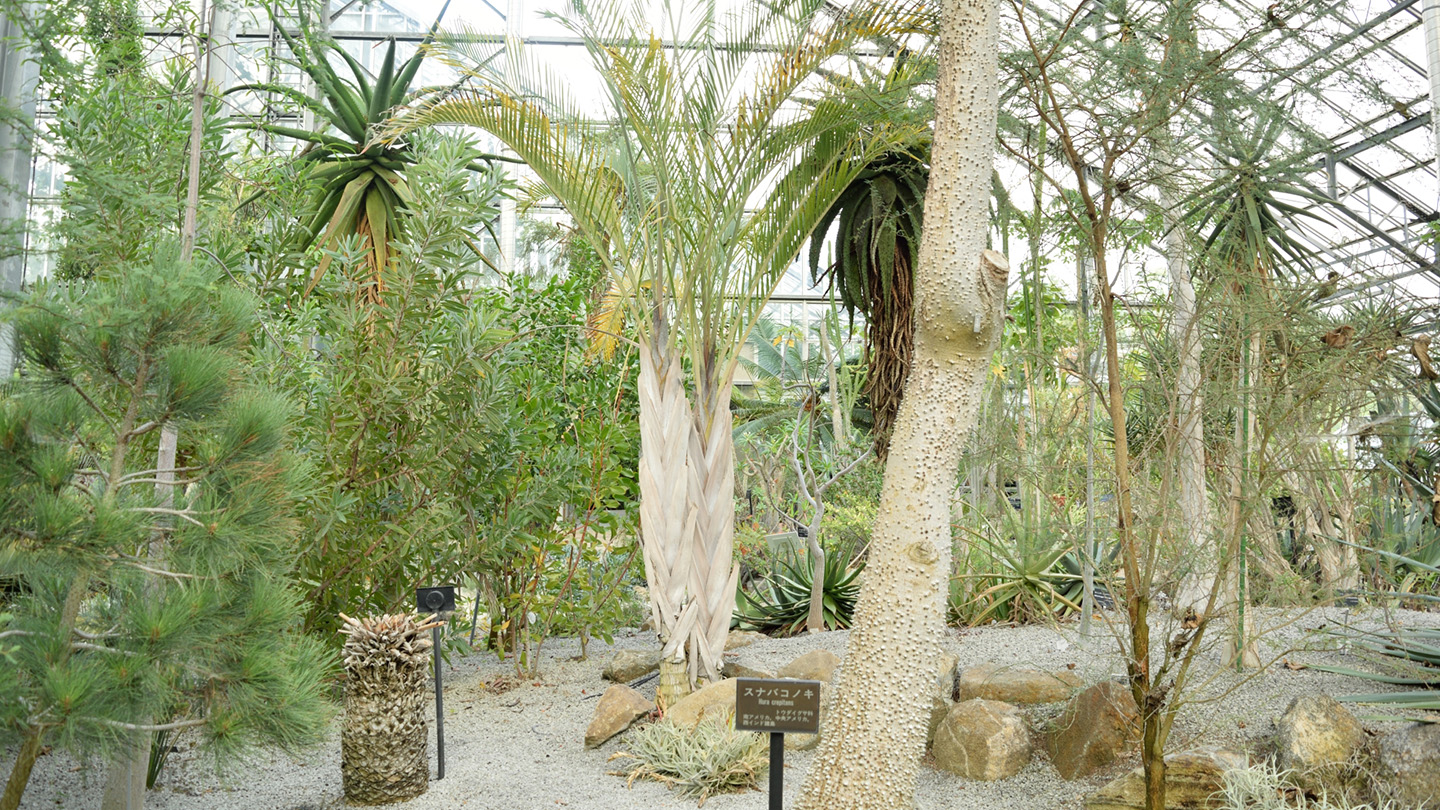
The Tsukuba Botanical Garden, part of the National Museum of Nature and Science, is a tranquil place where visitors can explore over 3,000 plant species from around the world. The garden includes tropical greenhouses, Japanese woodland trails, and seasonal flower displays. Spring brings cherry blossoms, while summer features vibrant lotus ponds. It’s ideal for a leisurely walk or a quiet afternoon in nature. Just a short ride from Tsukuba Station, the garden is a calming contrast to the high-tech energy of the city, offering visitors a deeper connection to nature while exploring Ibaraki.
iias Tsukuba
Located right next to Tsukuba Station, iias Tsukuba is a spacious shopping complex that combines fashion, food, and fun. Whether you’re looking to browse Japanese brands, try regional snacks, or relax in a cozy café, this mall has something for every traveler. It’s also home to indoor play zones and event spaces, making it a convenient stop for families. The mall serves as a gateway to the city, especially if you’re arriving via the Tsukuba Express from Tokyo. If you’re exploring things to do in Ibaraki or just need a comfortable break between sightseeing, iias Tsukuba offers an easy and modern experience.
Hirasawa Government Office Ruins
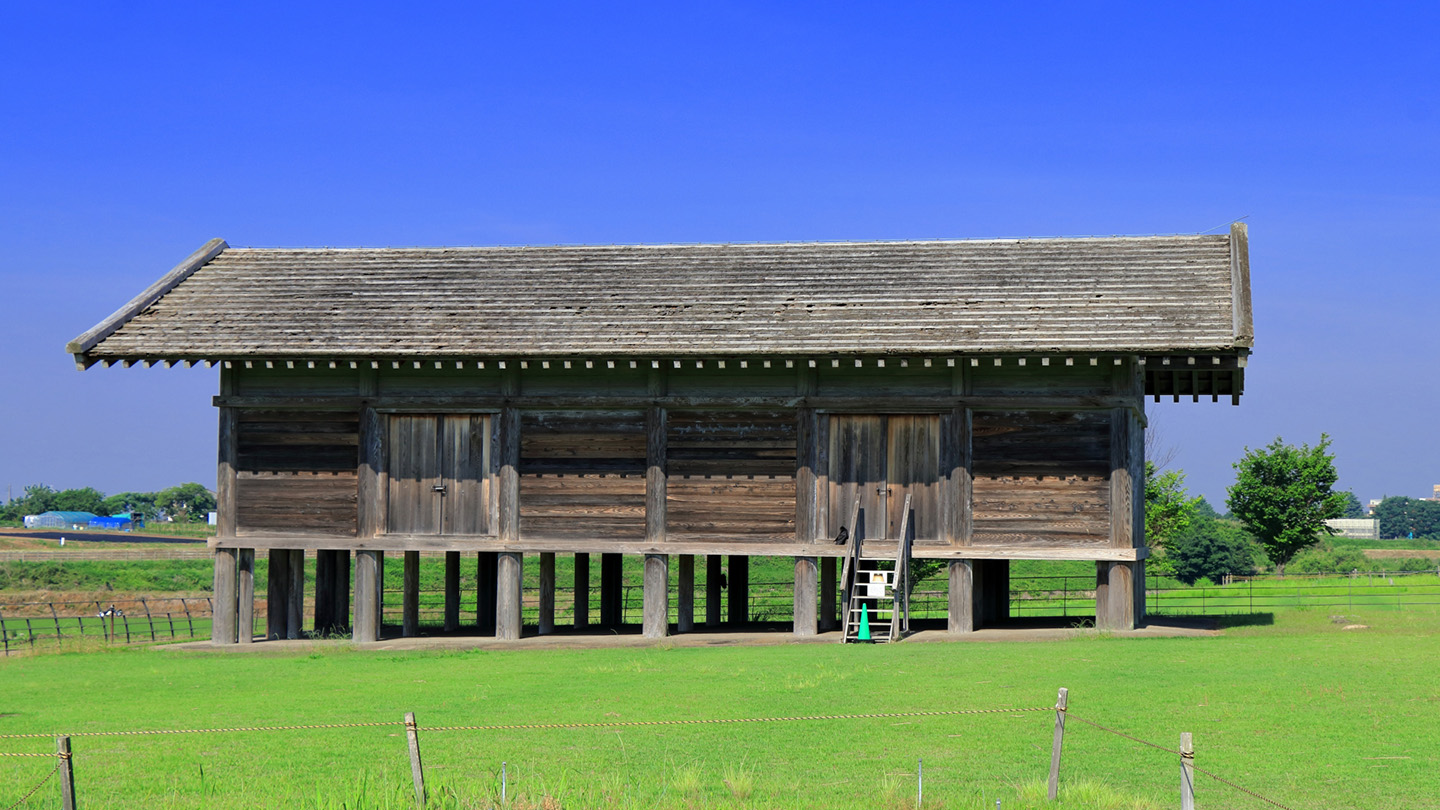
For history enthusiasts, the Hirasawa Government Office Ruins offer a fascinating look into Japan’s Nara-period administration. Dating back to the 8th century, this site was once a regional government hub, and its foundations and reconstructed buildings give a clear sense of how local rulers operated. Surrounded by peaceful countryside, the site is especially beautiful during spring and autumn. Informational signs and a small museum help visitors understand the era’s political system. It’s a quiet, educational detour and a great way to experience the deeper layers of Ibaraki’s cultural heritage during your Tsukuba trip.
Tsukubasan Shrine
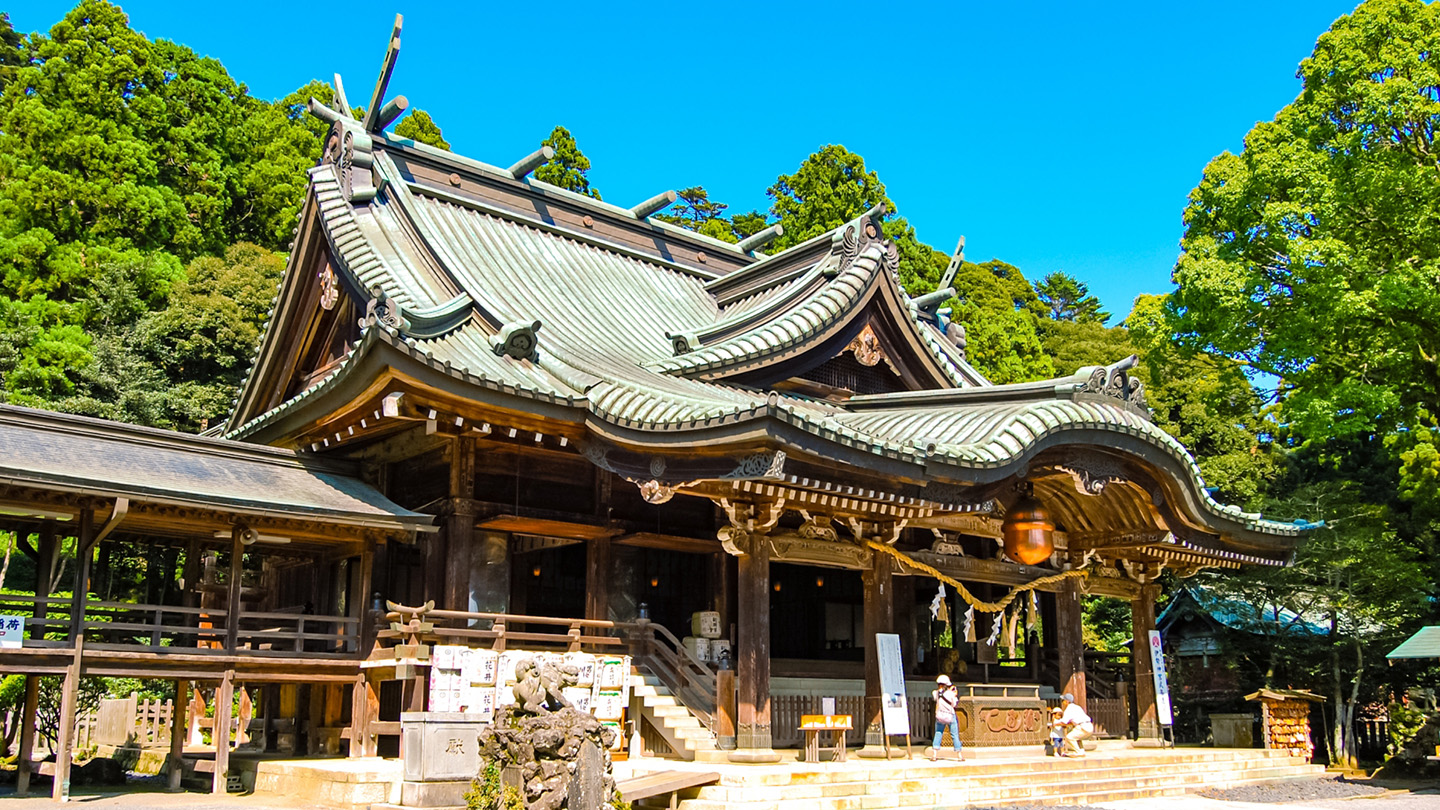
Located at the base of Mount Tsukuba, Tsukubasan Shrine has been a spiritual center for centuries. Dedicated to the mountain’s twin peaks, the shrine is known for its beautiful architecture and peaceful forest setting. It’s also the starting point for several hiking trails leading to the summit, where panoramic views await. Seasonal festivals, such as the colorful chrysanthemum displays in autumn, draw many visitors. The shrine is easy to reach by cable car or ropeway, making it a popular stop for both hikers and culture seekers. If you’re looking for meaningful things to do in Ibaraki, this is a must-visit.
Tsukuba Wanwan Land
Tsukuba Wanwan Land is a one-of-a-kind pet theme park where you can meet, play with, and even walk over 90 types of dogs. From tiny toy poodles to massive Saint Bernards, the park lets you interact with a variety of breeds in open-air settings. It also features shows, photo spots, and dog-themed attractions, making it a favorite for families and animal lovers. Located in the hills of Tsukuba, the area offers great views, especially in spring and fall. If you’re traveling with kids or looking for lighthearted things to do in Ibaraki, this spot guarantees plenty of smiles.
Expo ’85 Memorial Park
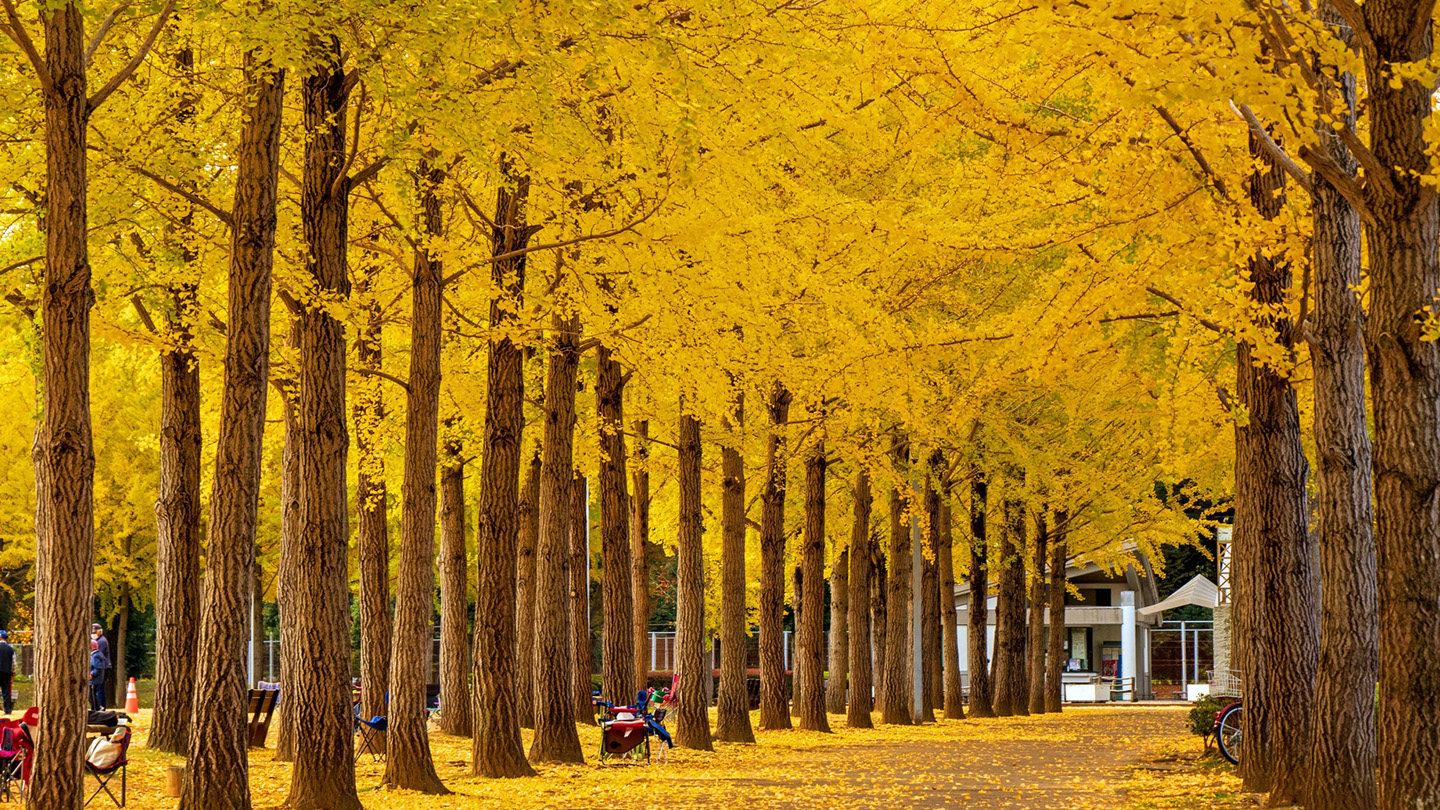
Built on the former site of the 1985 International Exposition, Expo ’85 Memorial Park is a peaceful space that blends nature and science. The park features wide lawns, tree-lined paths, and art installations that reflect the event’s futuristic theme. Nearby, you’ll find Tsukuba’s many research centers and science museums, making the area a hub of innovation. It’s a relaxing place to walk, have a picnic, or learn a bit about Japan’s role in global science initiatives. Whether you’re interested in technology or just want a quiet afternoon, this park adds a thoughtful touch to your Ibaraki travel plans.
List of Local Products and Traditional Crafts from Tsukuba
Tsukuba Blueberries
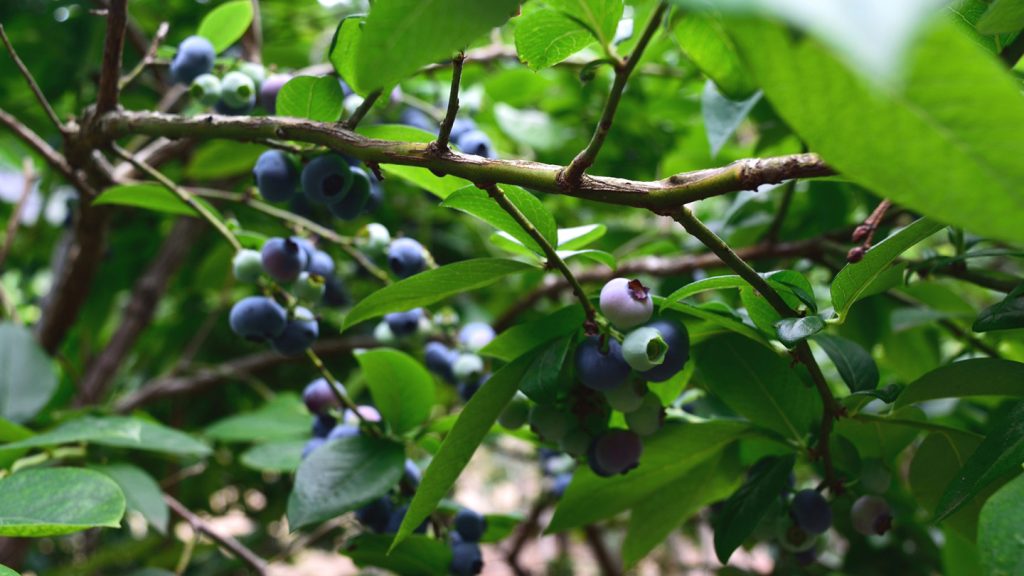
Tsukuba is known for its lush countryside and scientific innovation, but it’s also home to delicious blueberries. Grown in the fertile soils at the foot of Mt. Tsukuba, these berries are plump, sweet, and slightly tart—perfect for enjoying fresh in early summer. Local farms often offer blueberry picking experiences, making them a seasonal treat and a fun part of rural life. The combination of clean air, quality soil, and careful cultivation gives Tsukuba blueberries their fresh flavor. For those exploring Tsukuba’s natural side, this local fruit adds a refreshing touch to your journey.
Fukure Mikan (Fukure Mandarin Oranges)
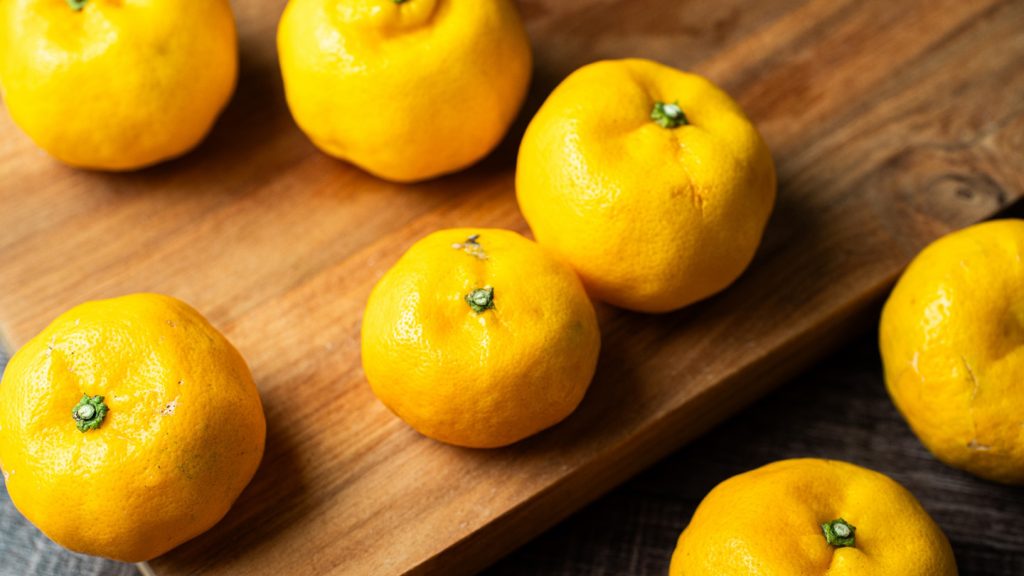
Fukure Mikan is a special variety of mandarin orange cultivated in the Tsukuba area. Recognized for its soft, slightly thick skin and juicy sweetness, this fruit is typically harvested in late autumn. Its name, “fukure,” refers to the plump shape of the fruit. Grown in mild, sloping fields around Tsukuba, these oranges benefit from the area’s balanced climate and sunshine. They’re often enjoyed as a snack or used in local desserts. For travelers visiting Ibaraki in the cooler seasons, Fukure Mikan is a flavorful symbol of regional harvest traditions.
Lotus Root from Lake Kasumigaura
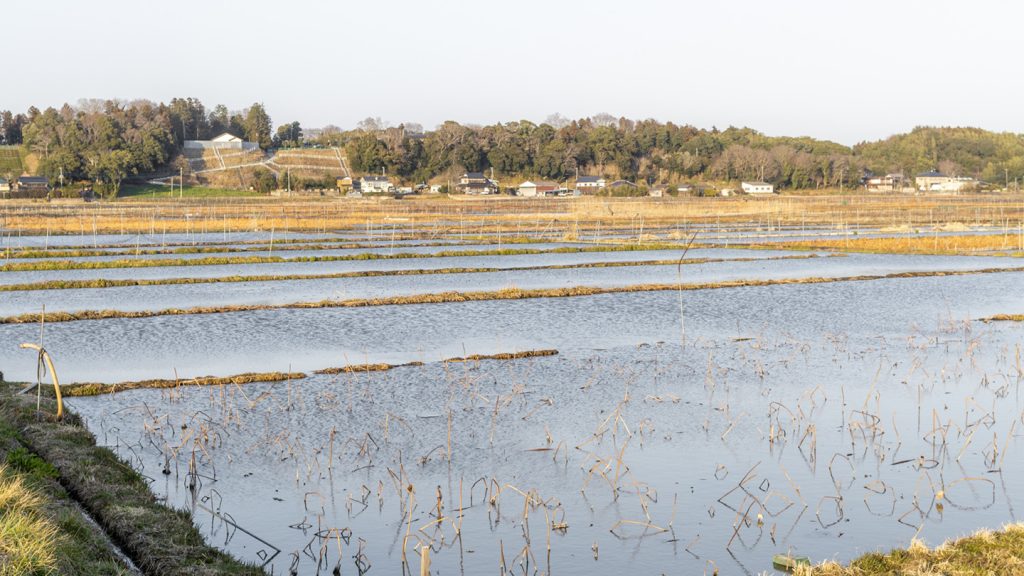
Near Tsukuba, Lake Kasumigaura is one of Japan’s largest lakes and a major center for lotus root (renkon) cultivation. Known for its crisp texture and mild, earthy flavor, lotus root is a common ingredient in Japanese cuisine, especially in stews and stir-fries. Harvested mainly in autumn and winter, renkon farming has deep roots in the region’s agricultural history. Fields surrounding the lake turn into a patchwork of muddy ponds, where farmers dig up the roots by hand. For visitors curious about local foodways, this humble root offers insight into both tradition and taste in Ibaraki.