


Top Attractions in Aizuwakamatsu for Sightseeing
How to Use the Map
Click on a destination to see a list of events in the area. Zoom in/out to zoom in/out on the map.
Keyboard shortcut: ← Move Left/→ Move Right/↑ Move Up/↓ Move Down/+ Zoom In/- Zoom Out
Contents
Tucked away in the mountains of Fukushima Prefecture, Aizuwakamatsu is a charming city that blends rich samurai heritage with breathtaking natural scenery. Known as the “Samurai City,” it’s home to the iconic Tsuruga Castle, a beautifully reconstructed fortress offering panoramic views and exhibitions that bring the samurai era to life. History lovers will also appreciate the Aizu Bukeyashiki, a preserved samurai residence that showcases traditional lifestyle and culture. In every season, Aizuwakamatsu reveals a different kind of magic. Cherry blossoms fill the parks in spring, lush greenery surrounds the city in summer, brilliant foliage colors the landscape in autumn, and snow-covered temples create a peaceful atmosphere in winter. For those exploring Aizuwakamatsu travel ideas, visiting the hot springs in nearby Higashiyama Onsen is a must for a relaxing break. Local food is another highlight. Try “sauce katsudon” — a pork cutlet served with a sweet-savory sauce — or enjoy Aizu’s famous sake, brewed using pristine mountain water. Whether you’re drawn to samurai history, seasonal nature, or local food culture, Aizuwakamatsu offers an unforgettable experience for anyone interested in authentic Japan.
Recommended Local Products and Traditional Crafts in Aizuwakamatsu
Aizu Lacquerware
Aizu Lacquerware is a timeless craft from Aizuwakamatsu in Fukushima Prefecture, blending beauty, tradition, and practicality. Known for its deep luster and delicate hand-painted designs, this lacquerware is crafted using techniques passed down for over 400 years. Artisans apply multiple layers of natural lacquer to create durable, lightweight pieces, often featuring local motifs like cherry blossoms or cranes. This traditional art form reflects the rich history and culture of Aizuwakamatsu, a city also known for Tsuruga Castle and samurai heritage. Aizu Lacquerware is not only decorative but also practical—used for bowls, trays, and sake cups. It’s especially popular as a souvenir for those exploring Fukushima travel or looking for meaningful local specialties in Japan. Whether you’re wandering through a historic crafts shop or joining a hands-on workshop, experiencing Aizu Lacquerware is a unique way to connect with Japanese culture and craftsmanship. It’s a perfect blend of elegance and everyday utility that captures the spirit of the region.
Explore Aizuwakamatsu: Top Spots and Must-Know Topic
Tsuruga Castle (Aizu-Wakamatsu Castle)
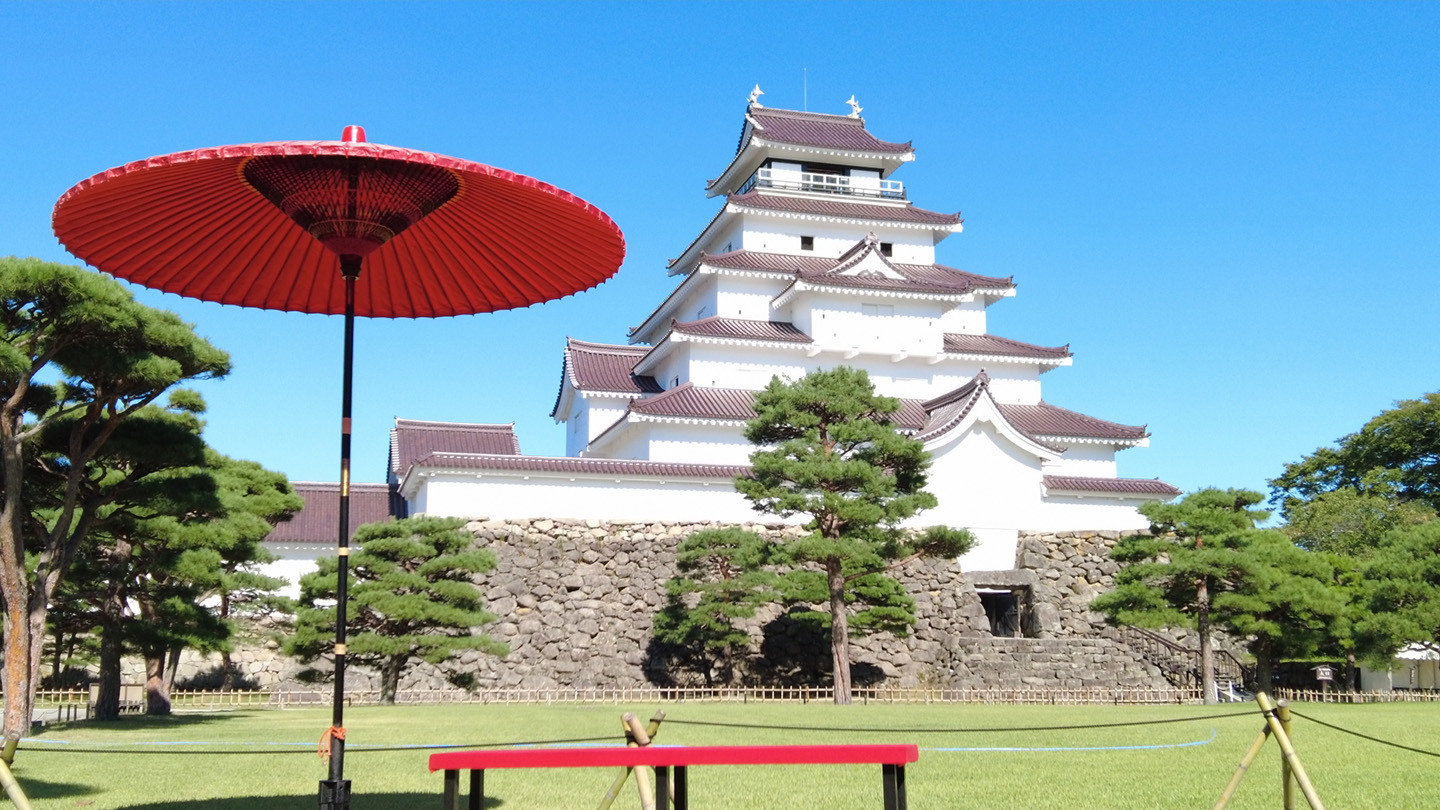
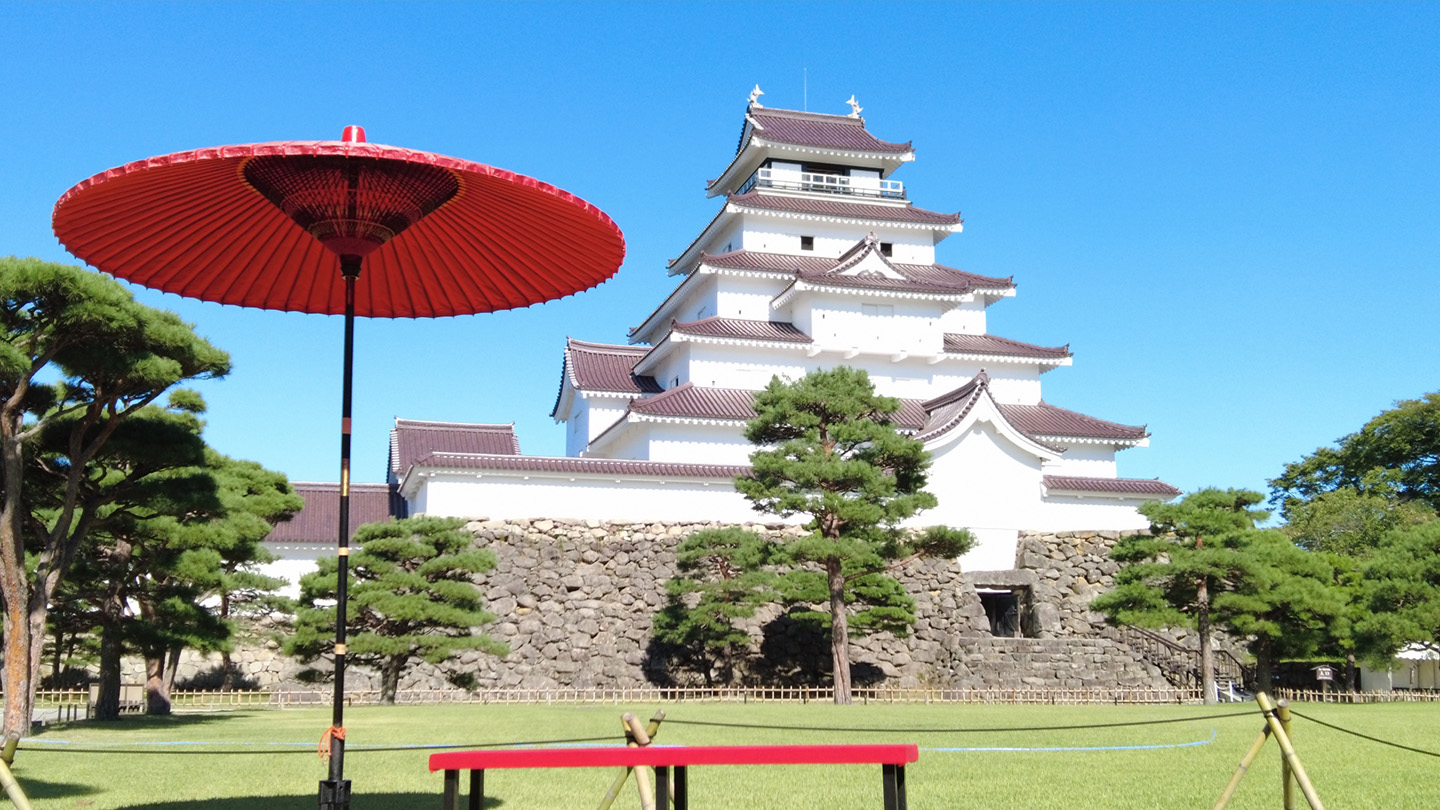
Tsuruga Castle, also known as Aizu-Wakamatsu Castle, is a beautifully reconstructed fortress that stands as a proud symbol of samurai history in Fukushima. Originally built in the 14th century and later central to the Boshin War, it now features a sleek white exterior and rare red-tiled roof—especially striking against cherry blossoms in spring or autumn leaves. Inside, the museum offers hands-on experiences with samurai armor and local history. The top floor observatory gives panoramic views of Aizuwakamatsu. If you’re exploring historical things to do in Fukushima, this castle blends powerful stories with scenic beauty.
Iimoriyama Hill
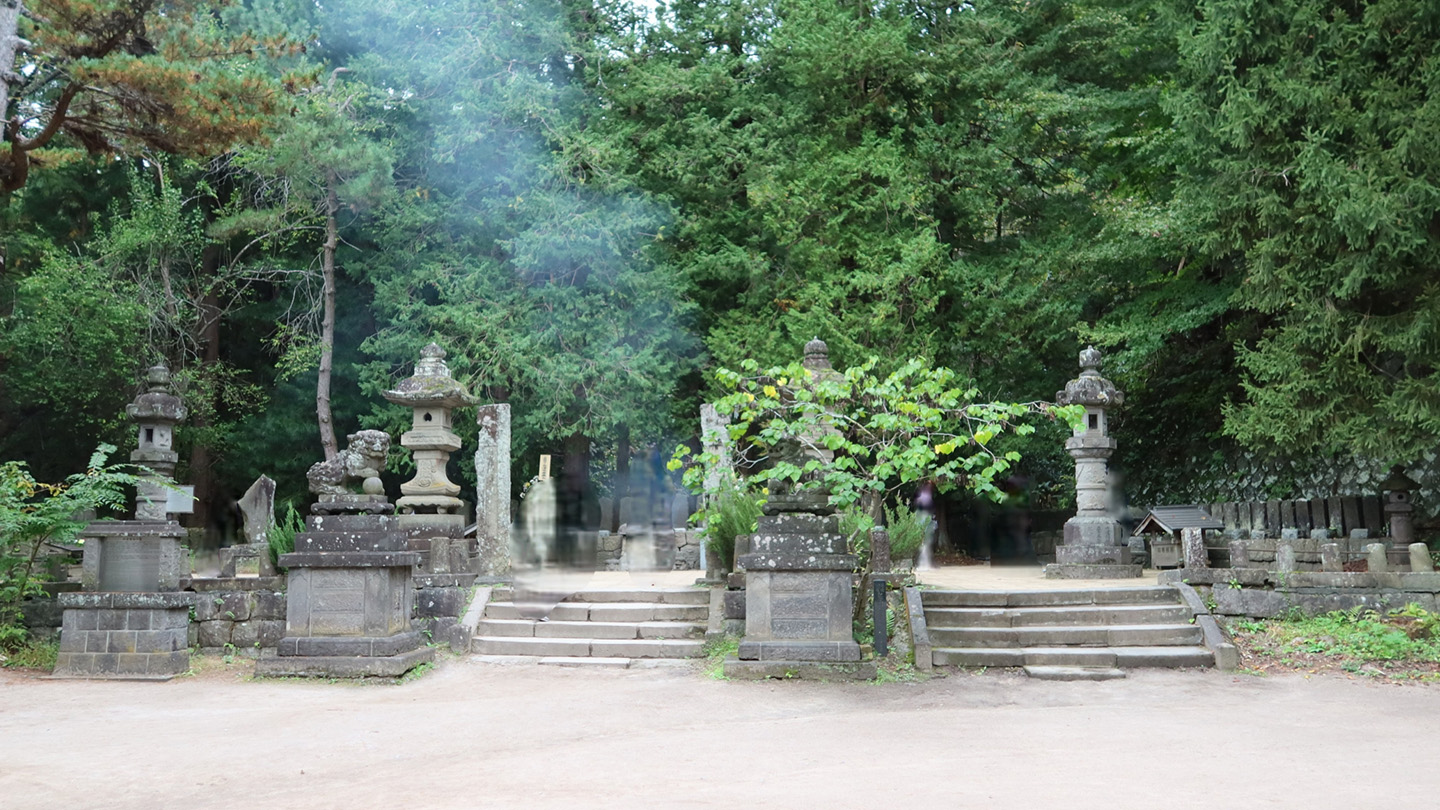
Iimoriyama Hill is a serene site with deep emotional ties to Japan’s samurai past. It’s best known as the resting place of the Byakkotai, a group of teenage samurai who tragically took their own lives during the Boshin War, believing their castle had fallen. Climbing the hill reveals memorials, a peaceful atmosphere, and a panoramic view of Aizuwakamatsu city—including Tsuruga Castle. Seasonal colors add to its charm, particularly in spring and autumn. It’s an essential stop for travelers looking to understand the cultural depth behind the region’s samurai legacy in Fukushima.
Nanokamachi Street
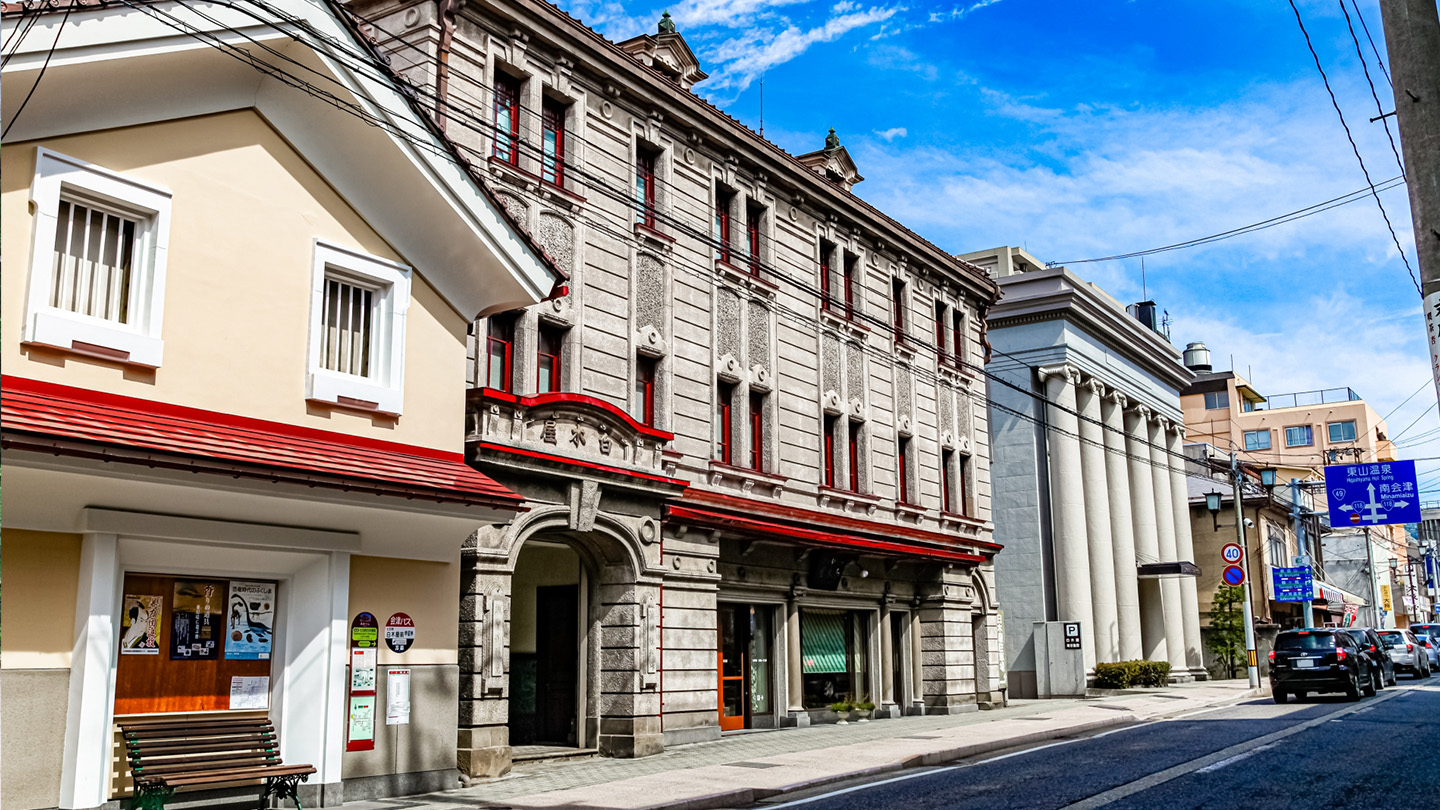
Nanokamachi Street is a lively shopping and walking district that captures the nostalgic feel of old Aizuwakamatsu. Lined with wooden buildings, craft shops, cafes, and sake breweries, it’s a great place to sample local culture at your own pace. You can try traditional Aizu lacquerware, browse handmade souvenirs, or taste local sweets and seasonal specialties. The street is easily walkable from the main station, making it a convenient part of any Fukushima travel plan. Whether you’re looking for culture, food, or just a charming stroll, Nanokamachi Street delivers a memorable experience.
Aizu Samurai Residence
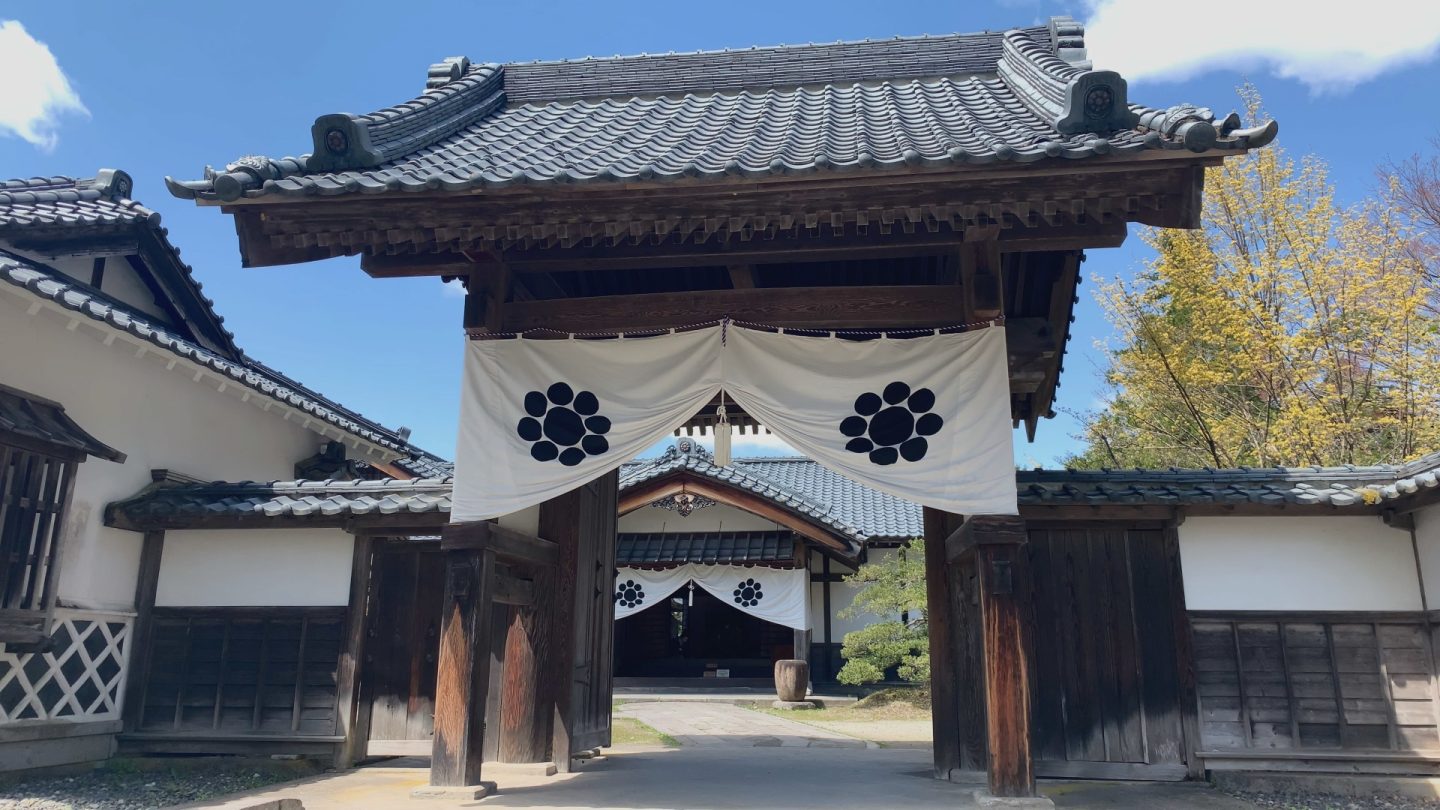
The Aizu Samurai Residence is a beautifully preserved samurai estate that lets you explore what daily life was like for the high-ranking Saigō family during the Edo period. This open-air museum includes over 30 rooms and gardens, along with displays of weapons, armor, and household tools. Costumed guides and interactive exhibits bring the history to life, making it great for families and history lovers alike. It’s especially picturesque in autumn and easy to access from central Aizuwakamatsu. For those seeking immersive, hands-on things to do in Fukushima, this is a top choice.
Visit Japan Web makes entering Japan easy — all in one place.
Prepare your entry procedures online before you travel.
Complete Quarantine, Immigration, and Customs forms smoothly with just a few taps.
Register anytime — before or during your trip — and simply show your QR code at the airport for a faster arrival.
Learn more about Visit Japan Web
Visit Japan Web makes entering Japan easy — all in one place.
Prepare your entry procedures online before you travel.
Complete Quarantine, Immigration, and Customs forms smoothly with just a few taps.
Register anytime — before or during your trip — and simply show your QR code at the airport for a faster arrival.
Learn more about Visit Japan Web
Oyakuen Garden
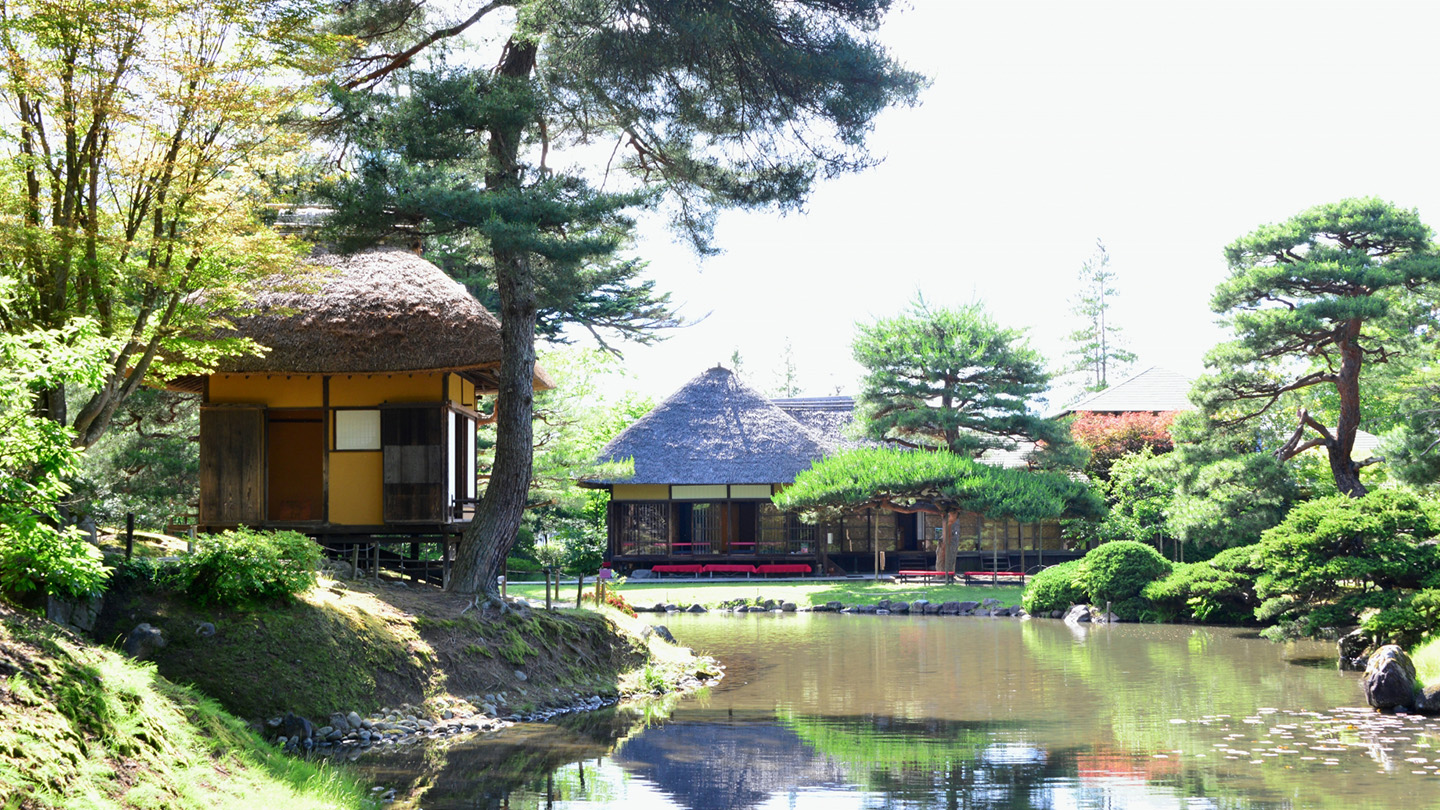
Oyakuen Garden offers a peaceful escape rooted in both beauty and purpose. Once the herbal medicine garden for Aizu’s lords, it now welcomes visitors to enjoy a landscape of traditional ponds, tea houses, and medicinal plants. The name “Oyakuen” means “Medicinal Garden,” and you can still see rare herbs growing throughout. Cherry blossoms in spring and vivid foliage in fall make this a great year-round destination. A short walk from the city center, it’s perfect for a quiet break between exploring more energetic attractions in Aizuwakamatsu. A gentle, healing stop on your Fukushima journey.
Aizu Sazaedo
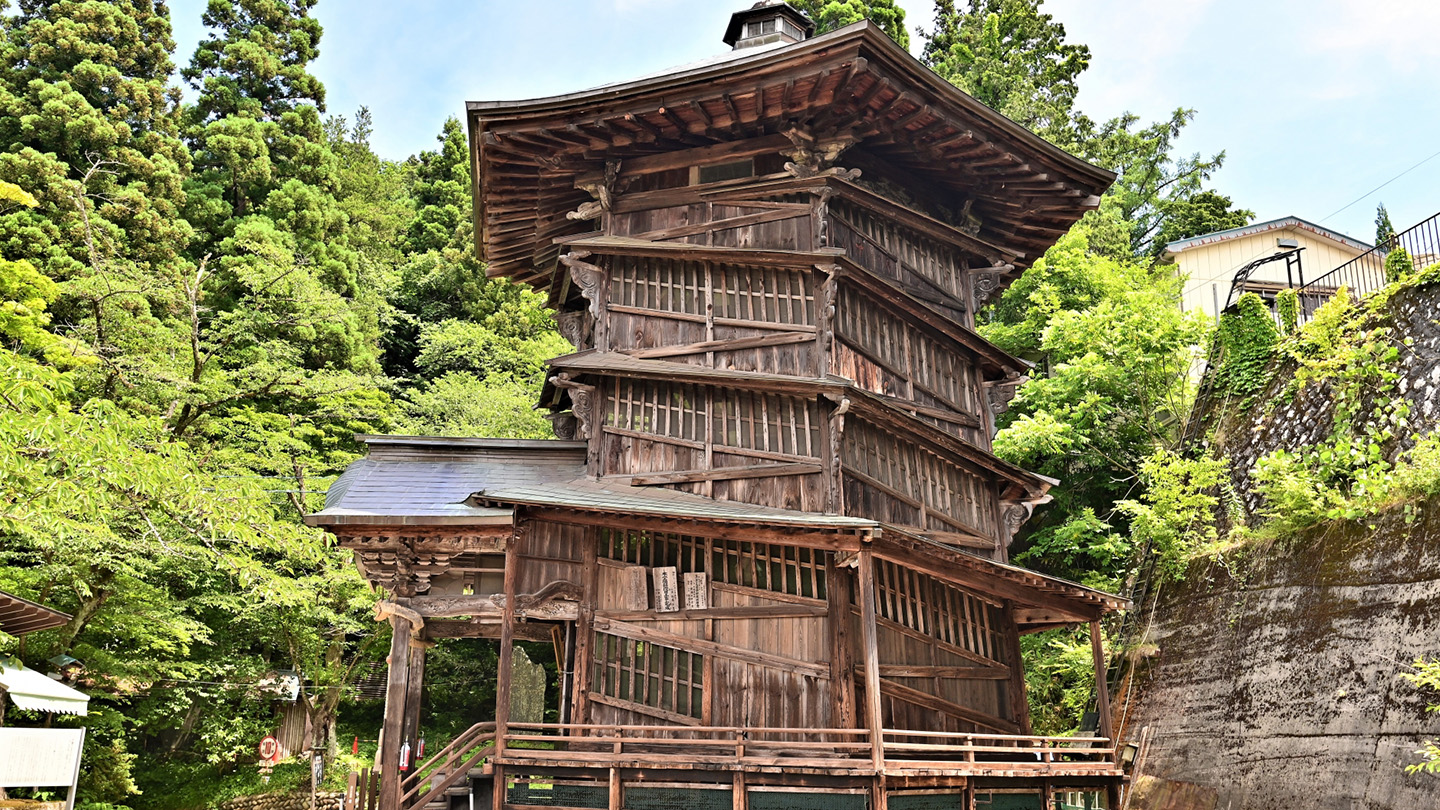
Aizu Sazaedo is a truly unique Buddhist temple in Aizuwakamatsu, known for its rare double-helix structure. Built in 1796 entirely from wood, the temple allows visitors to ascend and descend without ever crossing paths, thanks to its spiraling one-way corridors. This ingenious design reflects both architectural creativity and spiritual symbolism. The quiet interior, lined with old pilgrimage stickers, adds a sense of history and mystery. Surrounded by nature, it’s especially beautiful in the fall when maple leaves add vibrant color. For those exploring off-the-beaten-path things to do in Fukushima, Sazaedo offers a fascinating blend of design, religion, and peaceful scenery.
Higashiyama Onsen

Nestled in the mountains just minutes from central Aizuwakamatsu, Higashiyama Onsen is a historic hot spring town with over 1,300 years of history. Once loved by samurai and poets, it’s now a peaceful getaway where visitors can enjoy natural hot springs, riverside ryokan inns, and traditional Japanese hospitality. The area is especially atmospheric in winter when snow blankets the wooden buildings, or during autumn foliage season. Many inns offer day-use baths, making it an easy side trip during your Fukushima travel. Whether you’re seeking relaxation or a taste of old Japan, Higashiyama Onsen delivers a deeply local experience.
Suehiro Sake Brewery – Kaeigura
For sake lovers and cultural explorers alike, Suehiro Sake Brewery – Kaeigura offers a fascinating look into Aizu’s brewing tradition. Founded in 1850, this family-run brewery continues to produce award-winning sake using pure local water and traditional methods. The on-site tour lets you see historical brewing tools, peek inside fermentation rooms, and learn how sake is made from grain to glass. In the tasting area, you can sample different types and discover seasonal flavors. The brewery is centrally located in Aizuwakamatsu, making it easy to include in your itinerary of Fukushima attractions. It’s an authentic experience for curious travelers.
Hideyo Noguchi Youth Museum
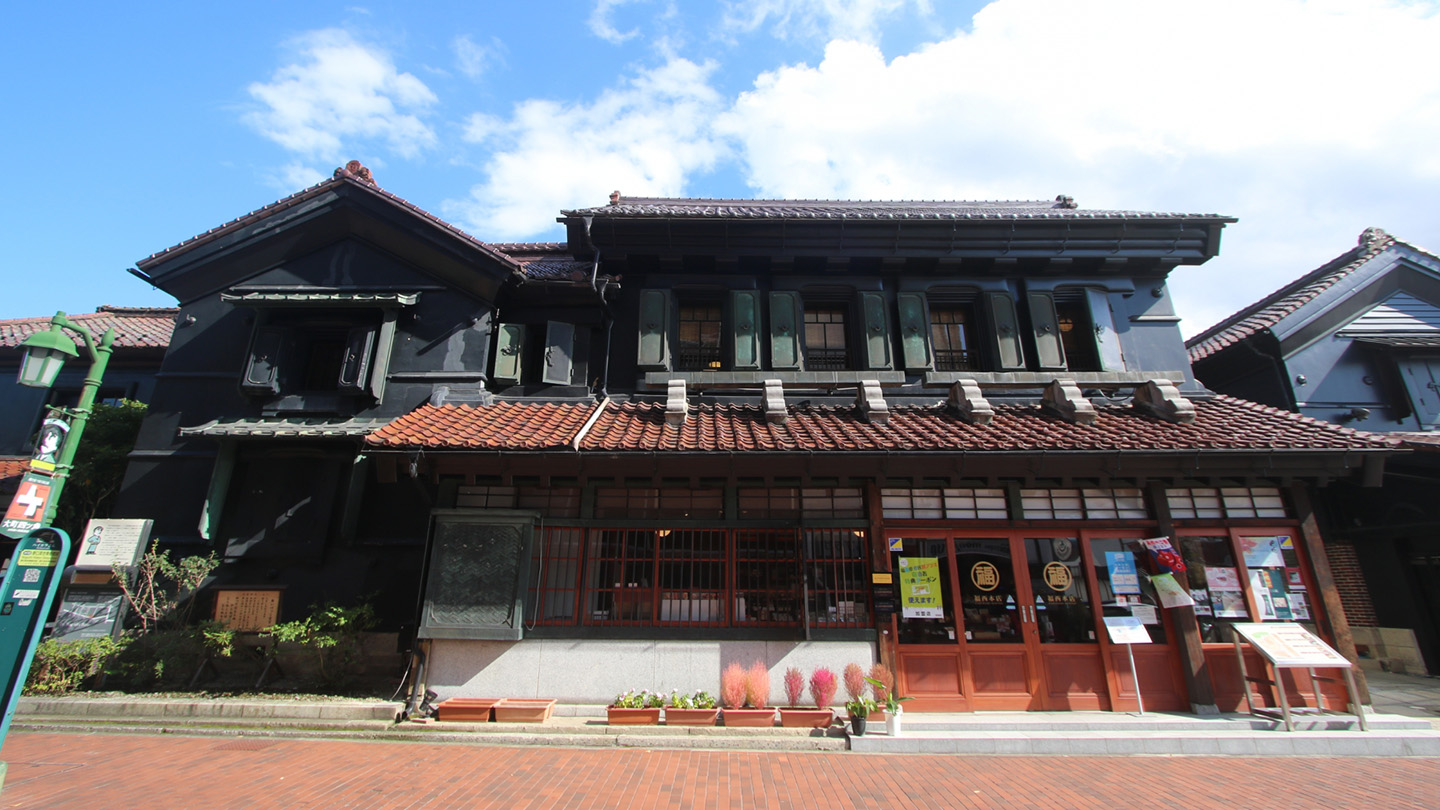
The Hideyo Noguchi Youth Museum honors one of Japan’s most respected scientists, known internationally for his research on yellow fever. Located in Aizuwakamatsu, where Noguchi was born, the museum showcases his early life, struggles, and achievements through interactive exhibits and personal artifacts. It’s especially inspiring for younger visitors and those interested in science, perseverance, and global impact. The museum is surrounded by beautiful nature and is particularly enjoyable in spring or fall. A visit here adds a meaningful cultural layer to your Fukushima travel, connecting you to both local pride and international legacy.
Aizu Shinsengumi Memorial Hall
Step into the world of samurai bravery at the Aizu Shinsengumi Memorial Hall, dedicated to the legendary warriors who fought during Japan’s turbulent Bakumatsu period. Through detailed exhibits, original weapons, and historical documents, the museum tells the story of the Aizu domain’s fierce loyalty and the tragic fate of the Shinsengumi. Costumes and photo opportunities help bring history to life, especially for fans of samurai culture and period dramas. It’s a compact but powerful stop near Tsuruga Castle, ideal for those looking to deepen their understanding of Aizuwakamatsu’s past. If you’re searching for meaningful things to do in Fukushima, this hall is worth exploring.
List of Local Products and Traditional Crafts from Aizuwakamatsu
Aizu Jidori Chicken

Aizu Jidori is a premium local breed of free-range chicken raised in the Aizu region of Fukushima. Known for its rich flavor and firm, juicy texture, this chicken is often featured in traditional dishes like yakitori or hot pots. The birds are raised with care in a natural environment, reflecting the region’s commitment to quality and sustainability. Aizu Jidori has become a symbol of the area’s food culture, especially enjoyed during colder seasons when hearty meals are popular. It’s a delicious way to connect with the culinary traditions of Aizuwakamatsu while exploring Fukushima’s diverse flavors.
Kozuyu (Aizu Soup Dish)
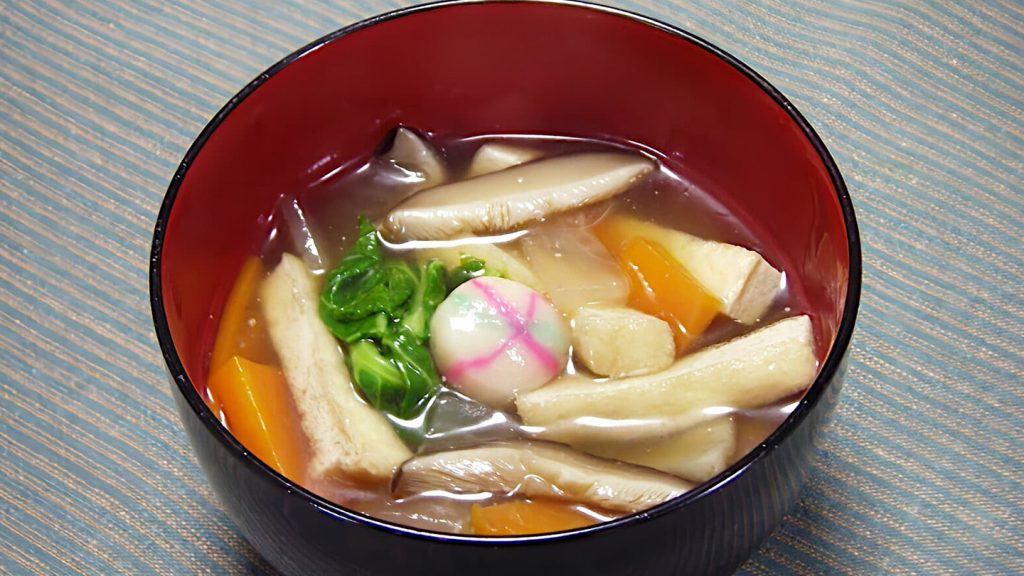
Kozuyu is a traditional soup from Aizu, often served at celebrations and family gatherings. Made with dried scallops, carrots, shiitake mushrooms, and other seasonal ingredients, it’s a clear, light broth that carries deep umami flavor. Served in elegant red lacquerware bowls, Kozuyu reflects the region’s hospitality and appreciation for seasonal produce. It’s especially meaningful during the New Year and special events, making it more than just a dish—it’s a symbol of togetherness. For visitors exploring Fukushima, Kozuyu offers a warm introduction to the heart of Aizu’s food culture.
Aizu Mishirazu Persimmons

Grown in the fertile valleys of Aizuwakamatsu, Mishirazu Persimmons are a local specialty with a long-standing reputation. These seedless, plump persimmons are known for their naturally sweet, juicy flesh and smooth texture. Despite their name meaning “unknown to themselves,” which suggests how sweet they are without realizing it, they are a cherished autumn fruit in the region. Traditionally harvested and dried for preservation, they’ve been a part of local life for generations. If you’re traveling through Fukushima in the fall, these persimmons offer a sweet glimpse into Aizu’s seasonal bounty.