


Top Attractions in Itoshima for Sightseeing
Itoshima is a seaside-and-mountain getaway just a short train or car ride from central Fukuoka, perfect for a relaxed day trip or a slow weekend. Highlights line the coast and hillsides: the white torii and “married rocks” at Sakurai Futamigaura, the dramatic cliffs of Keya no Oto, and the refreshing cascades of Shiraito Falls. Coastal drives and cycling routes change character with the seasons, and the area is famous for sunset viewpoints that make every photo pop—ideal when you’re planning “things to do in Itoshima” on your Fukuoka travel itinerary.
Food lovers will find plenty to explore. Farmers’ markets brim with local vegetables, fruit, and seafood; in winter, cozy oyster huts open along the shore, while year-round bakeries, coffee stands, and craft shops add an easygoing, creative vibe. This casual, high-quality food scene is a core part of Itoshima travel and a tasty complement to time on the beach.
The area balances nature with everyday culture. Stylish cafés and beach facilities welcome families, couples, and solo travelers alike, while nearby shrines, ancient tumuli, and pottery traditions keep local history close at hand. Thanks to excellent access from Fukuoka City, you can combine ocean views, gentle hikes, shoreline cycling, and café-hopping in one compact route. If you’re mapping out “Fukuoka travel,” consider Itoshima’s mix of scenery, local flavors, and relaxed coastal lifestyle—an easy-to-reach destination where nature and daily life flow together.
Recommended Local Products and Traditional Crafts in Itoshima
Itoshima Oysters
Itoshima Oysters: Itoshima City, Fukuoka Prefecture
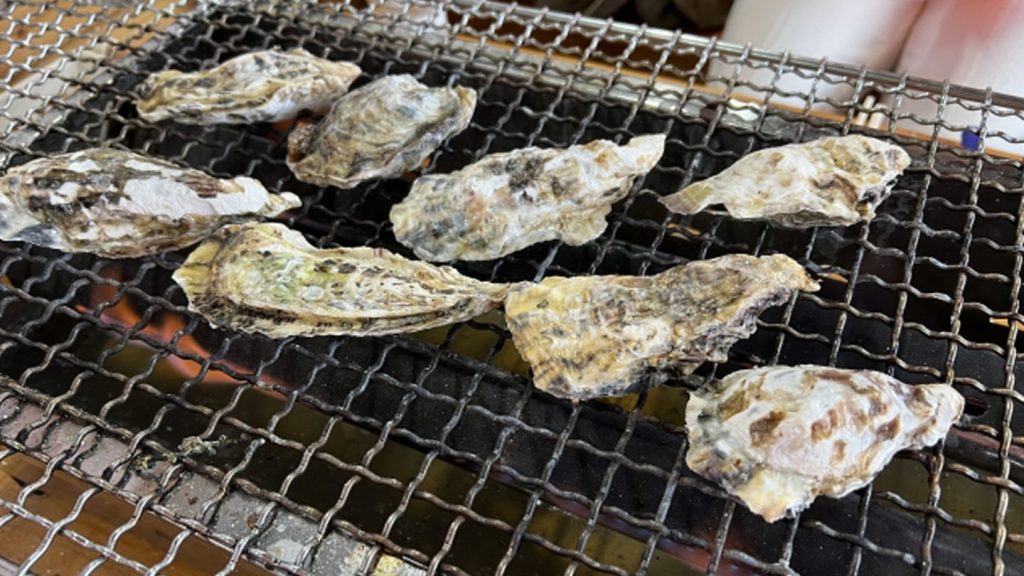
Itoshima Oysters (Itoshima Kaki) are prized for their plump texture and rich umami flavor, grown in the calm bays and nourished by the bounties of the Genkai Sea.
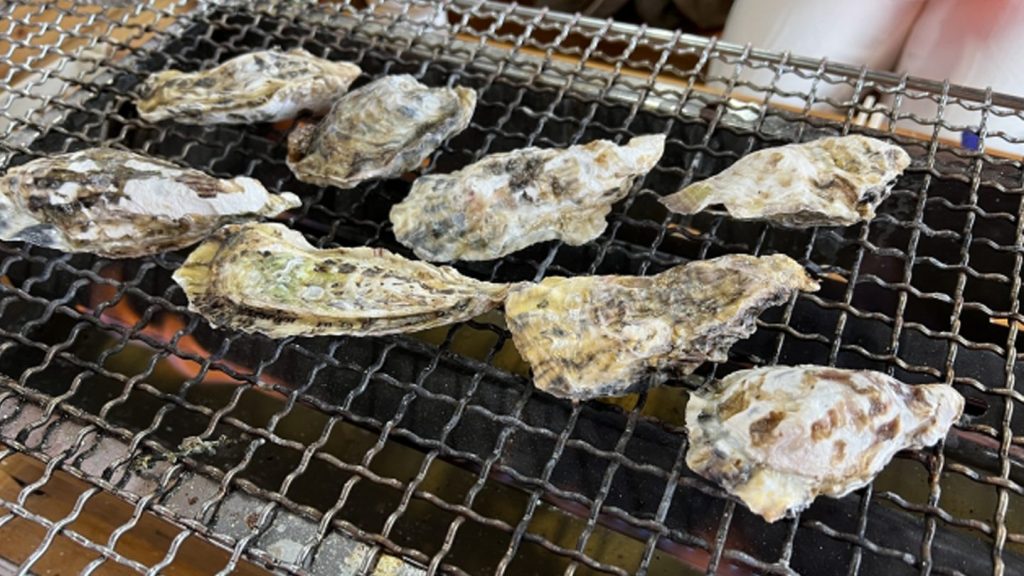
During the winter season (generally October to April), “oyster huts” (kakigoya) line the coast, offering a variety of ways to enjoy the oysters, from grilled and steamed with sake to butter soy sauce and deep-fried (kakifurai). They pair perfectly with flavors like lemon, ponzu (citrus seasoning), and garlic butter, and incorporating local Itoshima vegetables further enhances the dining experience.
The oysters benefit from freshness management unique to the production area, allowing visitors to safely enjoy the seasonal delicacy. Combining this culinary experience with a drive to scenic spots like Sakurai Futamigaura or Keya no Ohto makes for an ideal sightseeing trip to Itoshima City, where you can enjoy both the sea views and the food.
Savoring an oyster while feeling the winter sea breeze is an experience that reflects the local life and the season. Itoshima Oysters are a representative gourmet delight of Itoshima City, a local specialty that will remain in your memories, both on the table and as a memento of your trip.
Explore Itoshima: Top Spots and Must-Know Topic
Sakurai Futamigaura (Meoto Iwa)
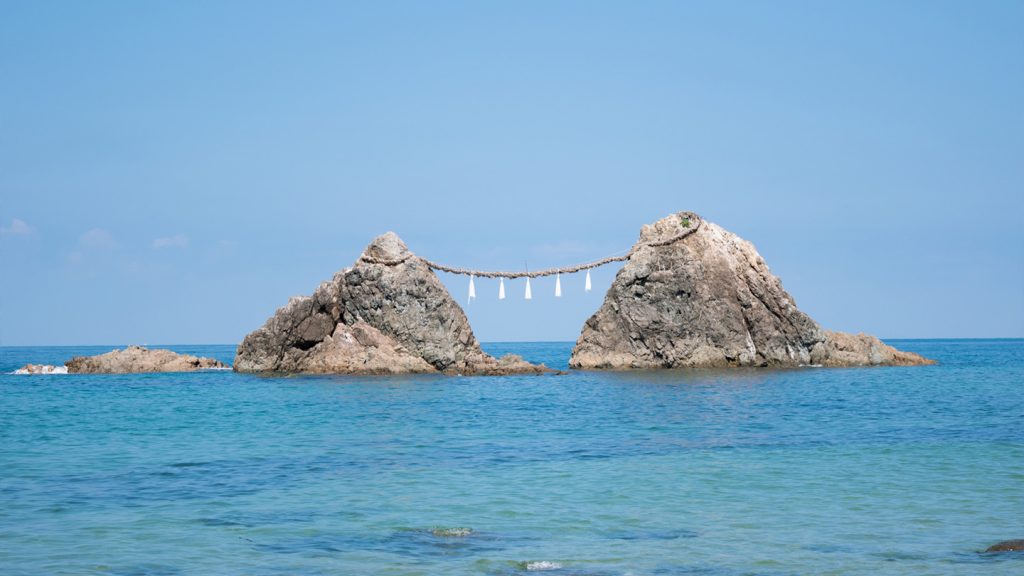
Sakurai Futamigaura blends sea, sky, and symbolism into one of Itoshima’s most photogenic scenes. A bright white torii frames two offshore rocks—“Meoto Iwa,” or the Wedded Rocks—joined by a sacred rope, with the horizon stretching wide behind them. Come at sunrise for soft pastels or at sunset for warm gold; either way, the light brings out the quiet drama of the coast. A flat seaside path makes it easy to stroll, listen to waves, and pause for photos. Nearby cafés and bakeries help you turn a quick stop into an easy half-day, which is why this area often tops lists of Itoshima attractions. If you’re planning things to do in Itoshima as part of broader Fukuoka travel, this is a gentle opener: low effort, high reward, and a perfect way to feel how daily life and the sea sit side by side here. It’s also simple to combine with local shrines and beaches in the area, so you can build a relaxed mini-route without much planning. Bring a light jacket in cooler months—the breeze can be brisk—and give yourself time to watch the shifting colors on the water. A short visit often turns into a lingering one.
Keya no Oto Sea Cave
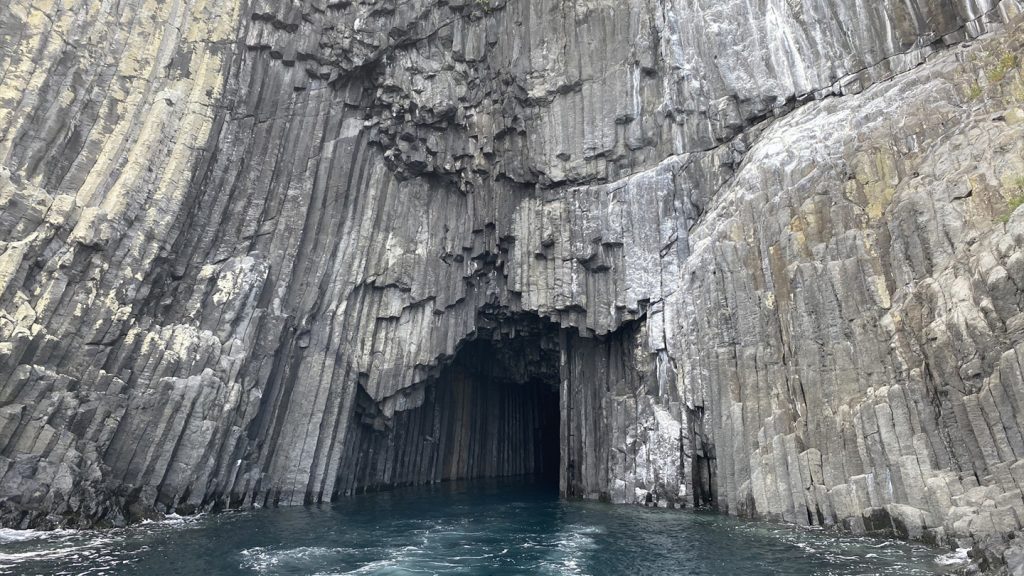
Keya no Oto is where coastal geology takes center stage. Sheer basalt walls form a massive sea cave set against the Genkai Sea, and from the headlands the view opens to deep blues and rugged rock textures. In calm seasons, sightseeing boats (weather and sea conditions permitting) run from the nearby fishing port, letting you appreciate the scale from water level. On land, a short walk to viewpoints reveals how the clifflines and ocean set up striking contrasts—ideal for photos without strenuous hiking. This spot works well in any Itoshima attractions itinerary: pair it with a beach stroll, a café stop, or a slow drive along the coast. Mornings have a fresh, clear feel; late afternoons bring softer light for photography. Keep footwear practical if you plan to explore trails, as paths can be uneven in places. For visitors looking for things to do in Itoshima during Fukuoka travel, Keya no Oto shows a different side of the region: less about crowds, more about texture, wind, and the steady rhythm of waves on stone. It’s a calm reminder that nature can be bold and minimal at the same time.
Shiraito Falls
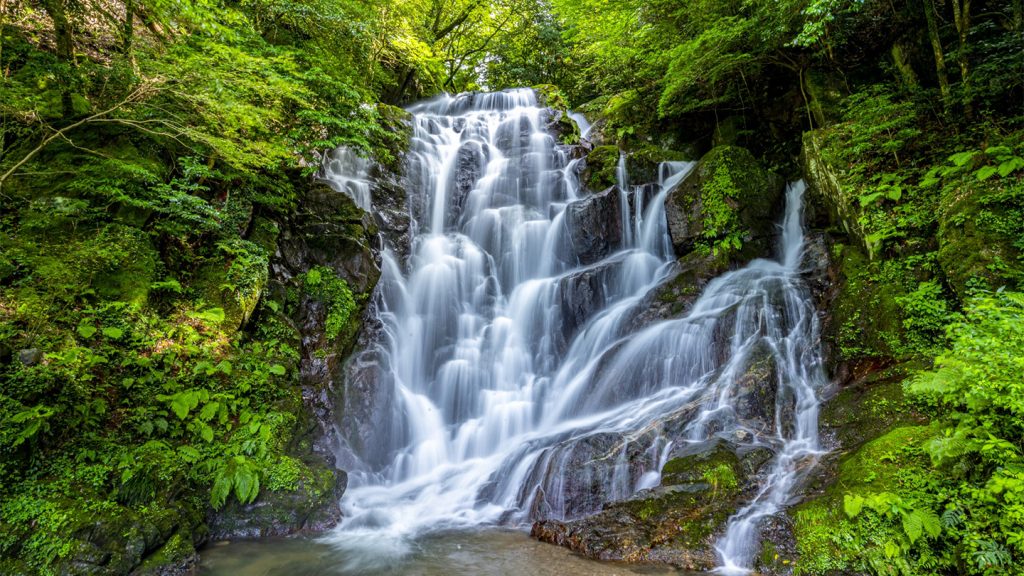
Halfway up Mount Hagane, Shiraito Falls offers a cool, green pause—especially welcome in summer. Water slips down a 24-meter rock face in fine white threads, filling the air with spray and a low, even sound that slows your step. Benches in the shade invite unhurried breaks, and a small facility area (seasonal) makes it easy to combine your visit with simple, family-friendly experiences. Early summer brings hydrangeas, while autumn adds warm colors to the surrounding trees. The drive up includes curves, so a relaxed pace is best, and sturdy shoes help on damp paths. In a list of Itoshima attractions, Shiraito sits comfortably alongside beaches and coastal drives, balancing the itinerary with forest time and cooler air. If you’re planning things to do in Itoshima during Fukuoka travel, think of the falls as a reset button between seaside stops—light on logistics, big on atmosphere. Aim for morning on hot days, when the setting feels especially fresh, and let the waterfall’s steady rhythm set the tone for the rest of your day.
Visit Japan Web makes entering Japan easy — all in one place.
Prepare your entry procedures online before you travel.
Complete Quarantine, Immigration, and Customs forms smoothly with just a few taps.
Register anytime — before or during your trip — and simply show your QR code at the airport for a faster arrival.
Learn more about Visit Japan Web
Visit Japan Web makes entering Japan easy — all in one place.
Prepare your entry procedures online before you travel.
Complete Quarantine, Immigration, and Customs forms smoothly with just a few taps.
Register anytime — before or during your trip — and simply show your QR code at the airport for a faster arrival.
Learn more about Visit Japan Web
Shima Sunset Road
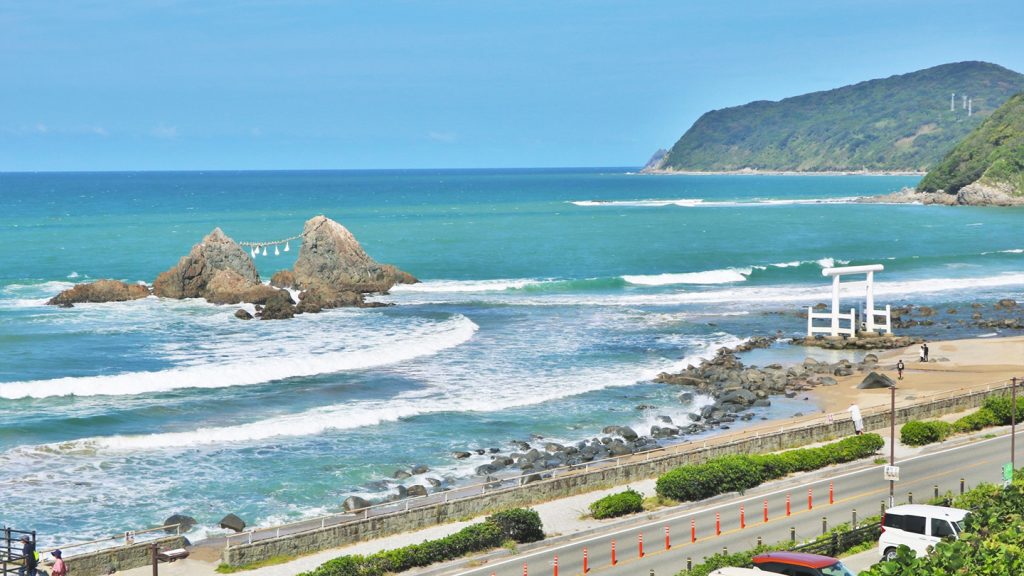
True to its name, Shima Sunset Road is all about light and horizon. This coastal route strings together sandy beaches, rocky coves, small harbors, and cafés where you can linger over coffee with sea views. It’s easy to dip in and out—park, stroll, take photos, then cruise on to the next lookout. Cyclists also love this stretch for its sea breeze and frequent places to pause. Visit midday for bold, bright blues; return toward evening when the Genkai Sea turns gold and silhouettes sharpen. Build your own rhythm: a stop for lunch, a short walk on the sand, a viewpoint for sunset—simple ingredients that add up to a relaxed day out. As part of Itoshima attractions and things to do in Itoshima, the road makes an ideal backbone for Fukuoka travel day trips: flexible, scenic, and low-stress. Keep a light layer handy—coastal winds change quickly—and check local spots for seasonal treats or small events. The real joy is how movement becomes the experience: windows down, salty air, and the sky putting on a show.
Itoshima Oyster Huts (Winter)
From roughly November to March, the fishing ports of Itoshima fill with seasonal oyster huts—simple seaside sheds where grills glow and shells sizzle. It’s a lively, communal way to enjoy winter along the coast. Each hut has its own style and house rules, but the basic pleasure is the same: freshly harvested oysters cooked right at your table, with classic options like charcoal-grilled, steamed with sake, butter-soy, or fried. Bring warm layers (even indoors you’ll feel the season), and be ready for a casual, energetic atmosphere that’s great with friends or family. Many visitors pair a port stop with a coastal drive, turning a meal into a small adventure. Among Itoshima attractions and things to do in Itoshima, the huts are a signature cold-weather experience and a vivid counterpoint to summer beach days—one more reason Fukuoka travel works year-round. If it’s your first time, arrive a little early on weekends, and check each hut’s payment style or simple rules before you sit down. The rest is easy: watch the shells open, breathe the steam, and taste the season.
Raizan Sennyo-ji Daihioin (Great Maple)
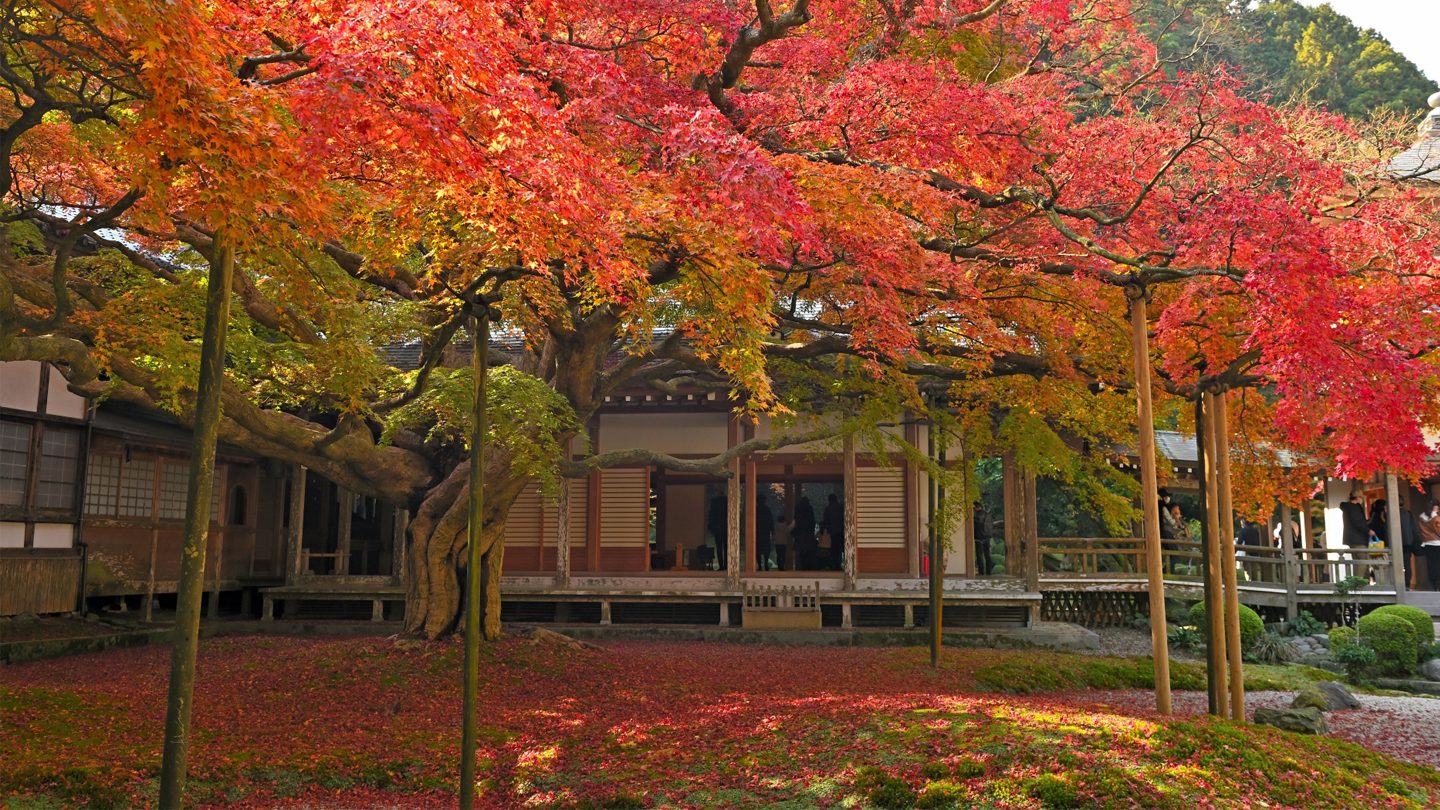
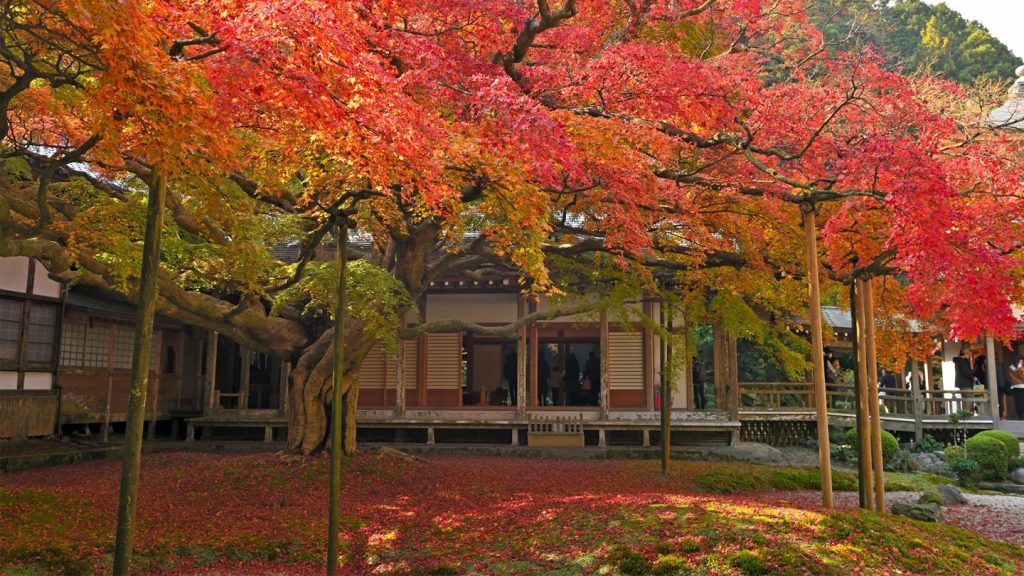
Set on the slopes of Mount Raizan, Sennyo-ji Daihioin blends quiet temple spaces with standout seasonal color. The draw in autumn is the famed “Great Maple,” a centuries-old tree whose expansive branches turn vivid shades that glow against moss and stone. Wander the grounds slowly and you’ll find more to notice: statues, halls, and the measured geometry of temple architecture set against mountain air. It’s a natural fit for a calm half-day within an Itoshima attractions plan—especially if you pair it with coastal viewpoints for a mountain-and-sea contrast. Autumn can be busy, so early visits are smoother; outside peak foliage, the temple still rewards unhurried exploration. If you’re compiling things to do in Itoshima as part of broader Fukuoka travel, Sennyo-ji adds a contemplative note, connecting landscape and culture in a way that feels distinctly local. The experience isn’t about pace; it’s about subtle shifts of light through leaves, the texture of wood and stone, and a sense of time layered into the hillside.
Mount Nijō (Nijodake)
Mount Nijō rises to 711 meters and offers a satisfying, straightforward climb with big views as your reward. Multiple trailheads let you tailor distance and slope to your group, and clear days open broad panoramas across the Genkai Sea and patchwork fields below. Spring’s fresh greens and autumn’s crisp air are especially pleasant, but the mountain feels welcoming most of the year with basic preparation. Pack proper footwear, a light layer, and water; after the hike, many travelers like to drop to the coast for a café stop or a soak to round out the day. On a list of Itoshima attractions and things to do in Itoshima, Nijodake is the “active” pick that still fits easily into a weekend. If you’re planning Fukuoka travel beyond the city, this hike adds balance to shrine visits and beach strolls—simple logistics, clear trails, and that satisfying moment when the horizon opens at the top. Give yourself time on the summit rocks for photos and a snack before heading down.
Nigi-no-Hama Beach
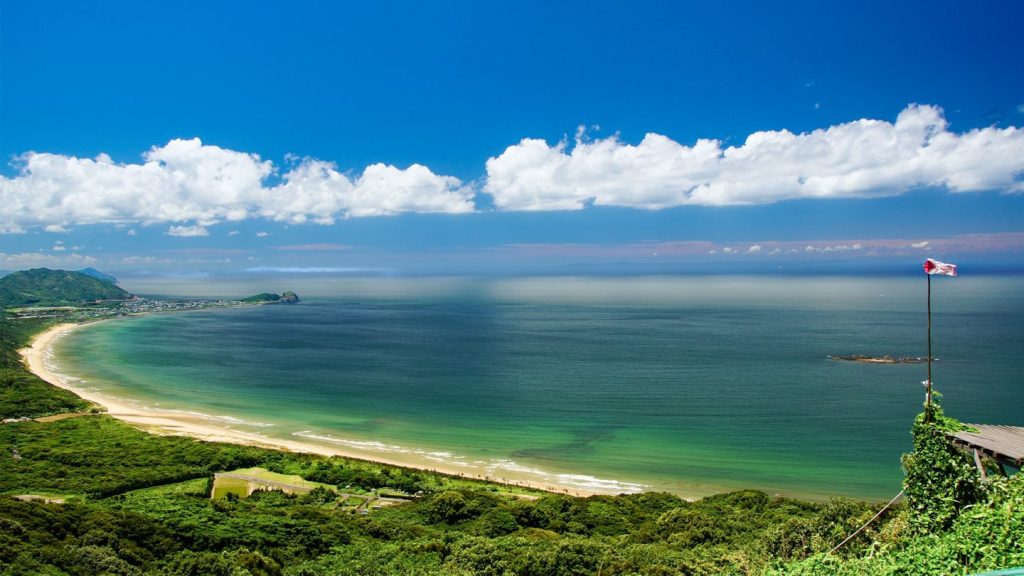
Nigi-no-Hama is a sweeping, bow-shaped ribbon of white sand and pines that runs for kilometers between Keya no Oto and Nogita Beach. It’s the kind of shoreline that encourages a slower day: walking barefoot at the edge of the water, watching surfers, and stopping at small cafés near the coast. The scene shifts with weather and season—calm, mirror-bright days feel serene, while breezier afternoons add energy and sound. Because the beach is long and open, it’s easy to find your own pocket of space. As an anchor in any Itoshima attractions plan, Nigi-no-Hama pairs naturally with coastal drives and short hikes, and fits a wide range of travelers, from families to solo wanderers. If you’re listing things to do in Itoshima during Fukuoka travel, keep this one simple: a picnic, a camera, and time to watch the sun take its arc across the sea. Even quick stops deliver that clean, spacious feeling that beach days are made of.
Shaded Path near Keya
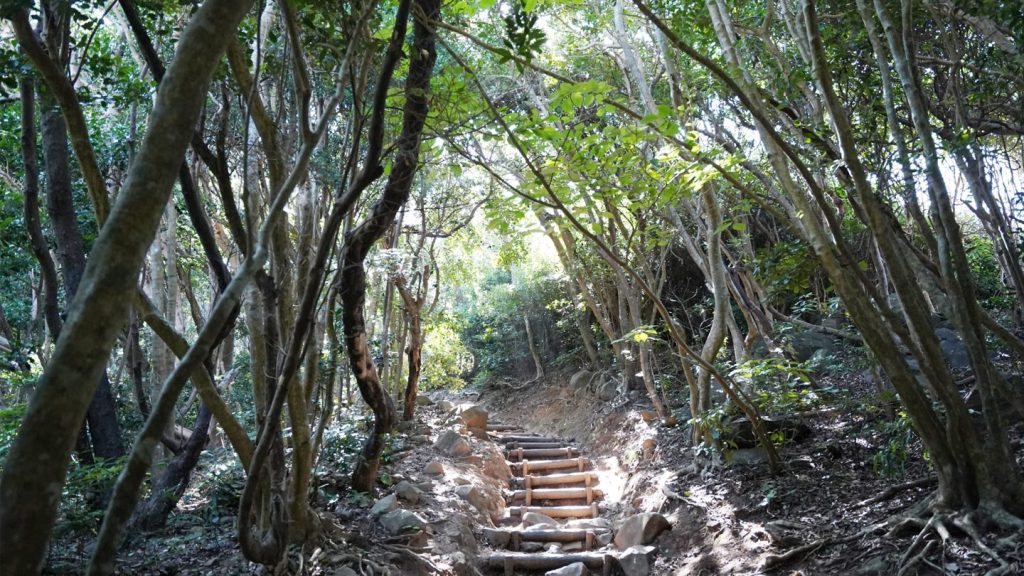
Locals nicknamed this leafy trail “Totoro Forest” for its storybook feel: branches arching into a natural tunnel, dappled light, and a hush that makes even a short walk feel a little enchanted. Paths can be narrow, so comfortable shoes make a difference, but the distance is modest and the mood is gentle—great for a quick reset between coastal viewpoints. The play of light changes with season and time of day, so photographers enjoy returning at different hours. Combine a stroll here with nearby cafés or farmland views to build a relaxed, countryside loop within your Itoshima attractions plan. As part of things to do in Itoshima during Fukuoka travel, think of this stop as a quiet palate cleanser: minimal logistics, maximum charm. Please note the name is an informal local nickname rather than an official park title; the appeal lies in its simplicity and the feeling that you’ve stepped onto a soft-spoken path where everyday nature gets to shine.
Mount Tateishi (Tateishi-yama)
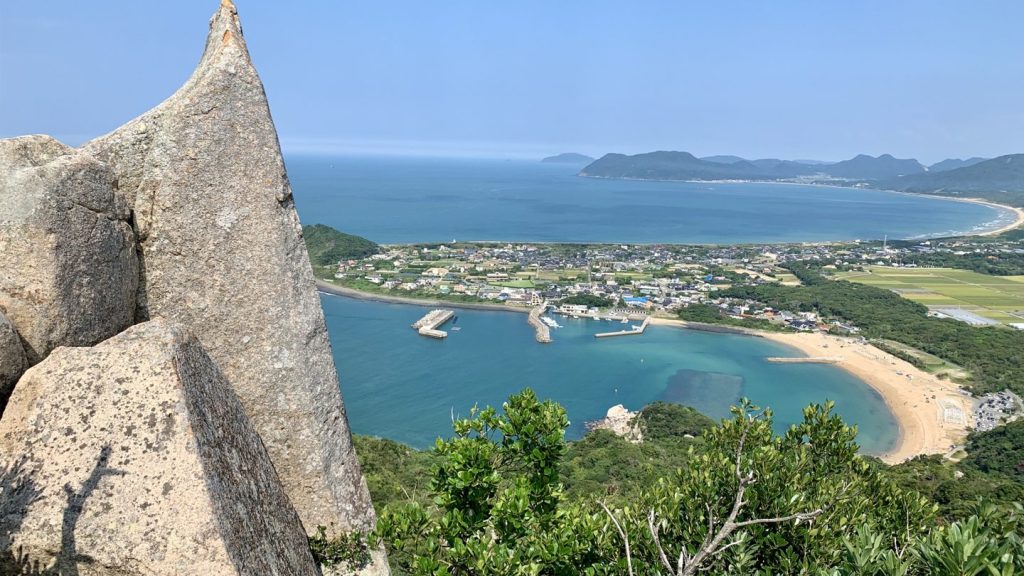
Short, scenic, and satisfying, Mount Tateishi is a low peak with big views. From trailheads near Keya Beach, you can reach the top in well under an hour, where 360-degree panoramas take in the indented coastline, Keya no Oto’s rocky headland, and the scatter of beaches below. The route includes rocky sections, so grippy shoes are helpful, but the hike is approachable for beginners with basic care. Early mornings offer clear air and long sightlines; late afternoons add dramatic shadows and a warm glow on the water—both great for photos. As a highlight among Itoshima attractions and things to do in Itoshima, Tateishi pairs easily with a swim, a beach walk, or a café stop, making a compact, rewarding half-day. If you’re planning Fukuoka travel and want something active without committing to a full mountain day, this is a smart pick. Take your time at the summit, trace the curve of Nigi-no-Hama with your eyes, and let the sea breeze set the pace for the rest of your itinerary.
List of Local Products and Traditional Crafts from Itoshima
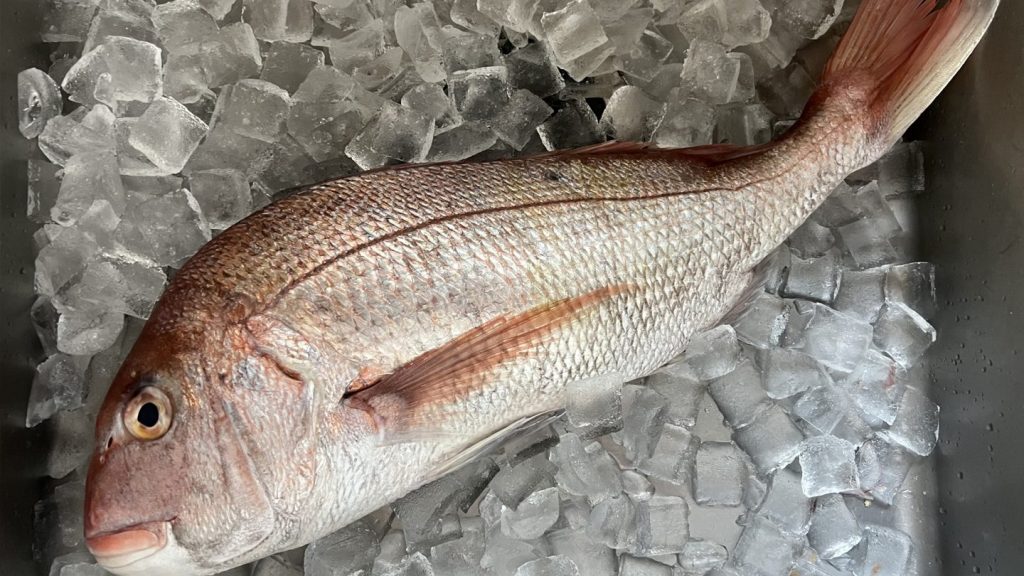
Itoshima Sea Bream (Madai)
In the fast, clean currents of the Genkai Sea, Itoshima sea bream develops firm flesh, gentle fat, and a naturally sweet finish. Locals keep preparations simple to highlight that balance: classic sashimi and salt-grilled fillets are favorites, while taimeshi (sea-bream rice) and slow-simmered head and bones bring out the shoreline aroma in comforting, home-style dishes. Spring is peak season, when the fish is affectionately called “sakura-dai” for its beautiful color and lively sheen. Near the ports, casual diners often serve set meals that pair the day’s bream with seasonal vegetables and a clear soup. At home, you might see kombu-jime (lightly cured with kelp) or even a Japanese-style carpaccio—proof that the fish adapts easily to different textures. As part of Itoshima travel, knowing this name helps you navigate menus and spot regional flavors connected to daily life by the sea. Think of Itoshima sea bream as a quiet signature of Fukuoka food: clean, balanced, and best enjoyed in preparations that let the tide’s rhythm speak for itself—a local specialty rooted in place.
Itoshima Beef (Japanese Black Wagyu)
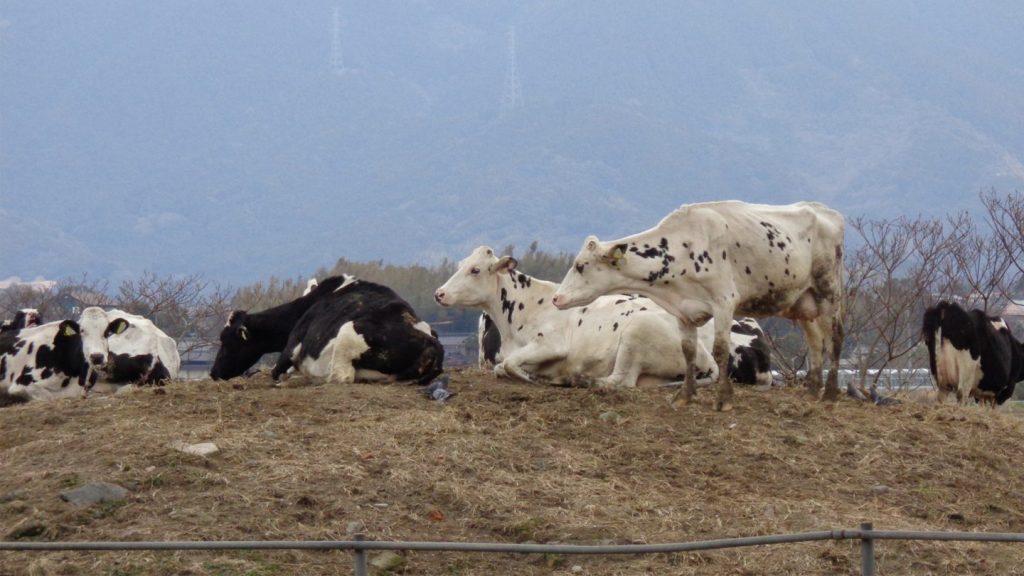
Raised in Itoshima’s mild climate with abundant fresh water, Itoshima beef is Japanese Black wagyu known for fine-grained lean meat laced with modest marbling. The result is tender texture and a clean aftertaste that works across many styles. Steaks, sukiyaki, and shabu-shabu show its gentle richness, while a simple grill with a pinch of salt brings forward a natural aroma without heaviness. Around town, restaurants highlight different cuts to match each cooking method—one reason this beef has become a comfortable part of everyday dining in the area. For travelers exploring Fukuoka food and compiling things to do in Itoshima, it’s helpful to remember that the appeal lies in restraint: measured marbling, careful handling, and flavors that sit well with rice, seasonal vegetables, and light sauces. This is not a showy steakhouse experience but a well-balanced local specialty in Itoshima, shaped by environment and routine. If you enjoy tasting regional differences, Itoshima beef adds a calm, savory note to your itinerary and pairs naturally with the area’s coastal dishes.
Hakata Amaou Strawberries
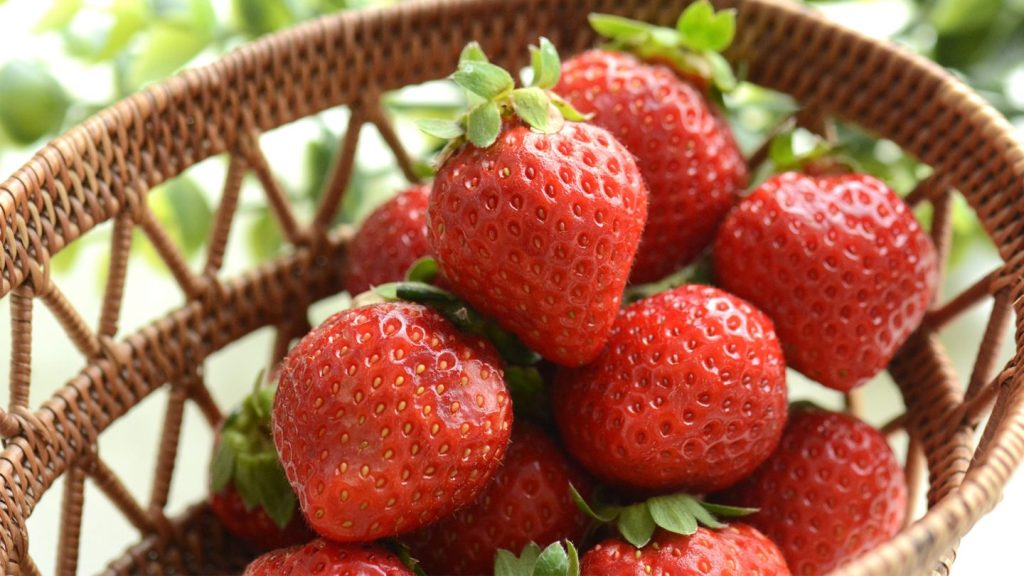
Hakata Amaou is Fukuoka’s signature strawberry: large, bright, and juicy, with a friendly balance of sweetness and acidity. The best months run from winter into spring, when cafés and bakeries in Itoshima feature seasonal desserts that put freshness first. Start simple—enjoy a berry on its own—then try classics like shortcake and parfaits, or gently crush a few into cold milk for a nostalgic treat. Texture matters here: a firm bite that releases plenty of juice, followed by a clean finish that invites another piece. A small tip for your Itoshima travel notes: let the berries rest briefly at room temperature before eating to let the aroma bloom. While Hakata Amaou is a Fukuoka icon, tasting it in Itoshima connects the fruit to a slower, coastal rhythm—breaks at a local café, a walk by the sea, and a dessert that reflects the season. As part of Fukuoka food culture, these strawberries are a straightforward pleasure and an easy way to meet one of the region’s best-known local specialties in Itoshima without any fuss.