


Top Attractions in Hachinohe for Sightseeing
How to Use the Map
Click on a destination to see a list of events in the area. Zoom in/out to zoom in/out on the map.
Keyboard shortcut: ← Move Left/→ Move Right/↑ Move Up/↓ Move Down/+ Zoom In/- Zoom Out
Contents
Located on the southeastern coast of Aomori Prefecture, Hachinohe offers a unique mix of coastal charm, vibrant local culture, and culinary delights. This port city is a lesser-known but deeply rewarding stop for anyone exploring northern Japan. One of the most popular things to do in Hachinohe is visiting the Tatehana Wharf Morning Market, one of the largest in Japan. Held every Sunday morning, it’s a lively gathering of vendors selling fresh seafood, local produce, and handmade goods—perfect for travelers looking to experience the region’s everyday life. When it comes to Aomori food, Hachinohe is famous for Hachinohe senbei-jiru, a savory hot pot dish made with wheat crackers and local vegetables. You’ll also find delicious seafood, especially mackerel, which is caught fresh off the Hachinohe coast. In spring and summer, visitors can enjoy the scenic Tanesashi Coast, known for its grassy meadows and dramatic cliffs, while fall brings colorful foliage to nearby temples and shrines. Hachinohe also hosts the dynamic Hachinohe Sansha Taisai Festival in August, a UNESCO-listed event featuring large, ornate floats and traditional performances. Easily accessible by bullet train from Tokyo, Hachinohe is an ideal destination for those wanting to go beyond the typical tourist trail and discover the authentic spirit of Tohoku.
Recommended Local Products and Traditional Crafts in Hachinohe
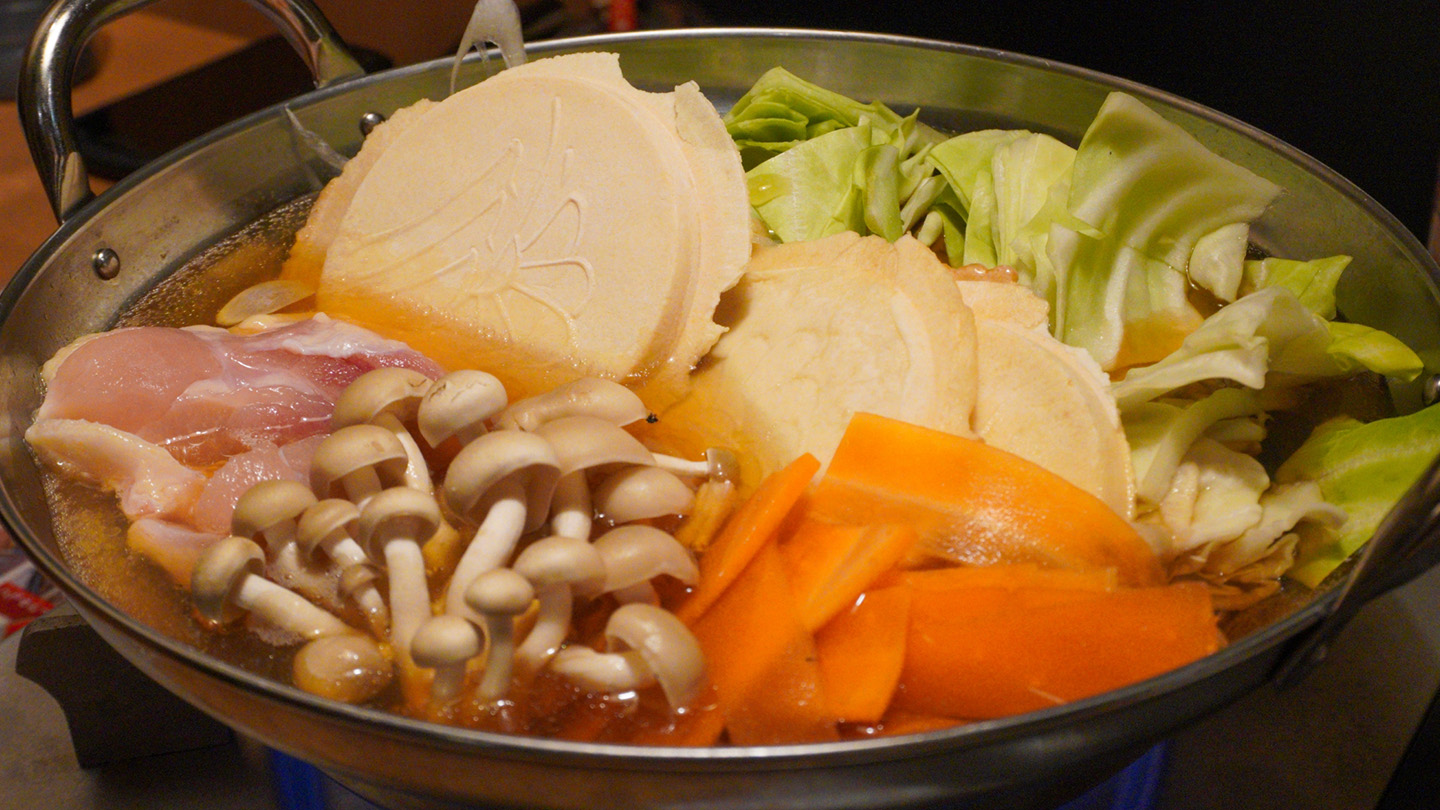
Hachinohe Senbei Soup
Hachinohe, located in Aomori Prefecture in northern Japan, is known not only for its scenic coastline and lively markets but also for its warm, hearty local cuisine. One of its most beloved local specialties is Hachinohe Senbei Soup—a comforting dish that reflects the area’s unique food culture and seasonal climate. This traditional soup features savory soy-based or chicken broth, filled with vegetables, mushrooms, and sometimes meat or fish. What makes it truly special is the addition of nanbu senbei—a type of wheat cracker made to hold its shape and texture even when simmered. The result is a delightful combination of chewy, noodle-like crackers and rich, flavorful soup. Senbei soup is especially popular in the colder months, offering a taste of home and warmth during Aomori’s snowy winters. For locals, it’s more than just a dish—it’s a reminder of family gatherings and community ties. Many restaurants in the city serve their own version of the soup, making it a must-try for those exploring Hachinohe travel and diving into Aomori food traditions. As one of the most comforting local specialties in Hachinohe, it’s a delicious way to experience the region’s culinary heart.
Explore Hachinohe: Top Spots and Must-Know Topic
Hasshoku Center
Hasshoku Center is a must-visit spot in Hachinohe for anyone curious about local food culture. This bustling indoor market is packed with vendors offering fresh seafood, seasonal produce, and regional specialties from Aomori. One of the highlights is the “Shichirin Village,” where visitors can grill their own seafood on charcoal grills right at the market—a fun and delicious hands-on experience. From scallops to squid, you’ll find ingredients that reflect the richness of Hachinohe’s coastal waters. Whether you’re looking for things to do in Aomori or planning a food-focused trip, Hasshoku Center offers a unique and flavorful stop.
Tatehana Wharf Morning Market

If you’re an early riser, the Tatehana Wharf Morning Market is a fantastic way to start your day in Hachinohe. Held on Sunday mornings from spring through autumn, this lively waterfront market is considered one of the largest in Japan. Local vendors line the wharf with a wide range of offerings—fresh seafood, handmade crafts, snacks, and even breakfast options cooked on the spot. It’s not just a market, but a social gathering where locals and travelers mingle. Just a short ride from central Hachinohe, it’s a great addition to your list of things to do in Aomori during the weekend.
Kabushima Shrine
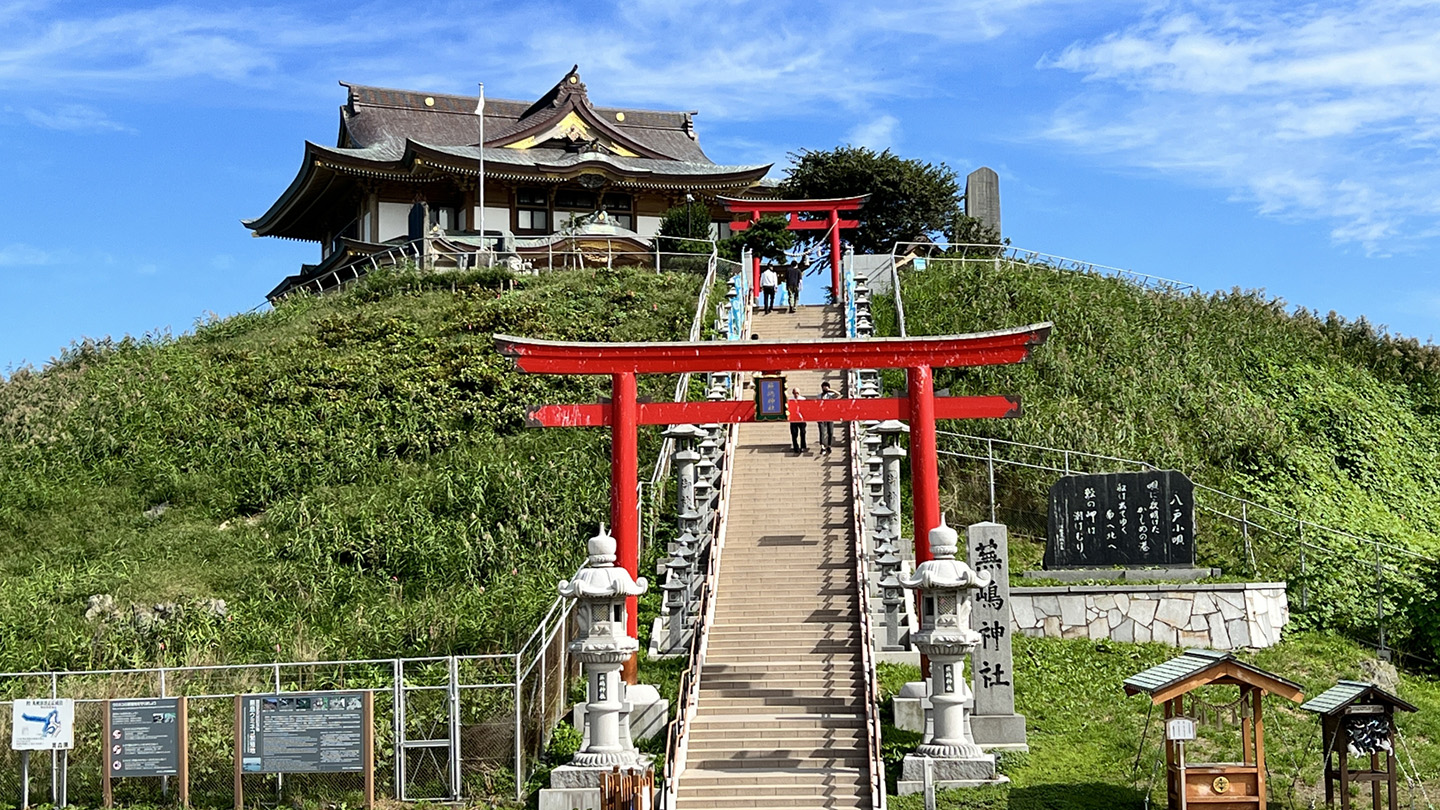
Located on a scenic cape in Hachinohe, Kabushima Shrine is known not only for its spiritual significance but also for the thousands of black-tailed gulls that nest here each spring. The shrine is dedicated to Benzaiten, the goddess of good fortune and the sea. Every year from March to August, visitors can witness the incredible sight of these seabirds returning to the island—a rare and beautiful natural phenomenon. Surrounded by ocean views and coastal walking trails, Kabushima offers a peaceful yet dynamic experience. If you’re exploring Aomori travel ideas that blend nature and culture, this spot is truly special.
Tanesashi Coast
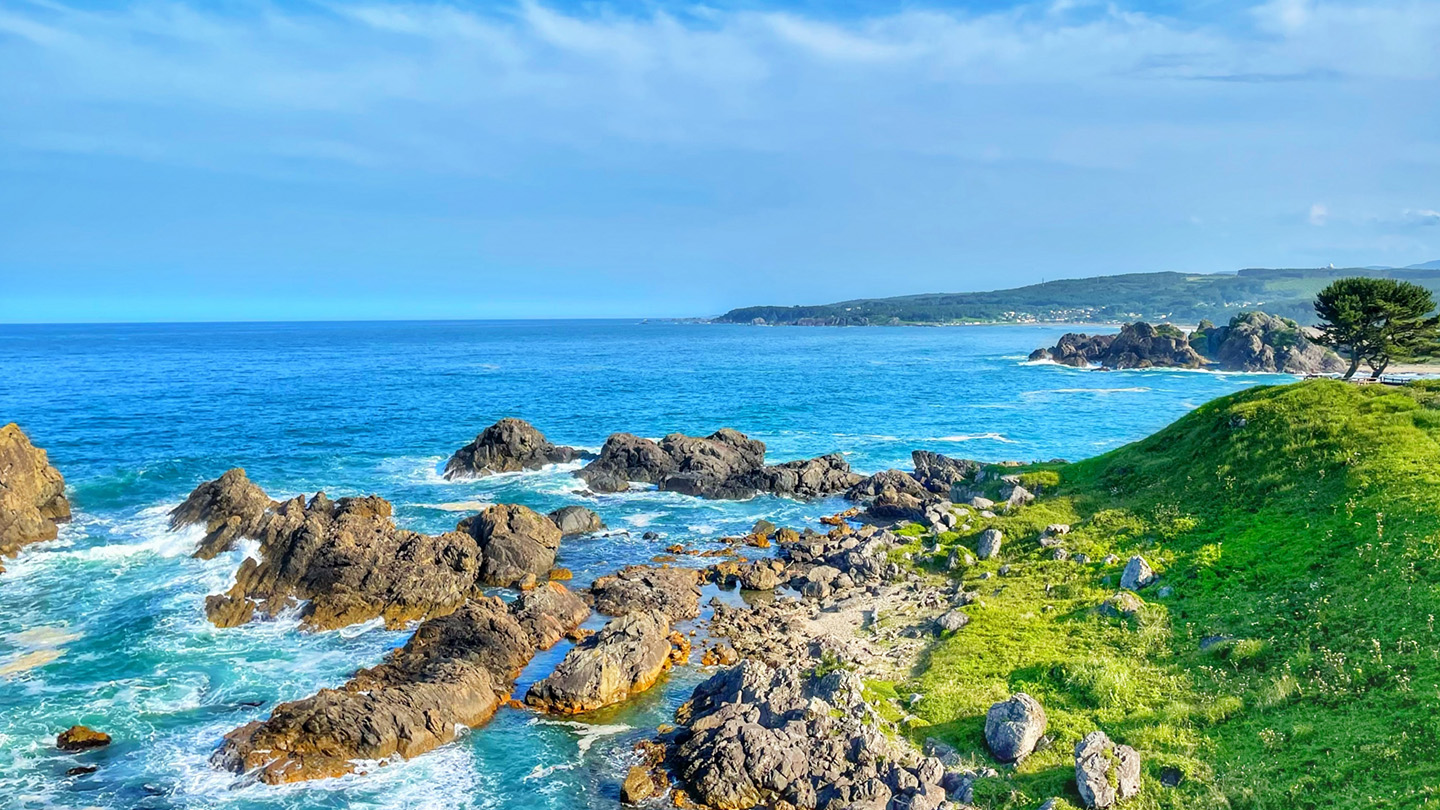
Stretching along the Pacific Ocean, the Tanesashi Coast is a stunning stretch of shoreline offering wide-open views, grassy meadows, and dramatic cliffs. Unlike typical rocky coastlines, Tanesashi is famous for its natural grassy lawns that reach all the way to the sea. It’s part of the Sanriku Fukko National Park and ideal for walking, picnicking, or just enjoying the ocean breeze. The area is especially beautiful in spring and early summer when the wildflowers bloom. For travelers looking for peaceful things to do in Aomori, this coastal gem is perfect for slowing down and reconnecting with nature.
Visit Japan Web makes entering Japan easy — all in one place.
Prepare your entry procedures online before you travel.
Complete Quarantine, Immigration, and Customs forms smoothly with just a few taps.
Register anytime — before or during your trip — and simply show your QR code at the airport for a faster arrival.
Learn more about Visit Japan Web
Visit Japan Web makes entering Japan easy — all in one place.
Prepare your entry procedures online before you travel.
Complete Quarantine, Immigration, and Customs forms smoothly with just a few taps.
Register anytime — before or during your trip — and simply show your QR code at the airport for a faster arrival.
Learn more about Visit Japan Web
Hachinohe Portal Museum “Hacchi”
Right in downtown Hachinohe, Hachinohe Portal Museum “Hacchi” offers a great introduction to the city’s culture, traditions, and creativity. This modern space features interactive exhibits, local crafts, and information about festivals like the vibrant Hachinohe Sansha Taisai. You can join workshops, browse art displays, or simply relax in the café while learning about what makes this city unique. It’s an easy stop for anyone staying near the train station, and a good first step for understanding Aomori’s local charm. When planning your list of things to do in Aomori, don’t overlook this cultural hub.
Hachinohe Book Center
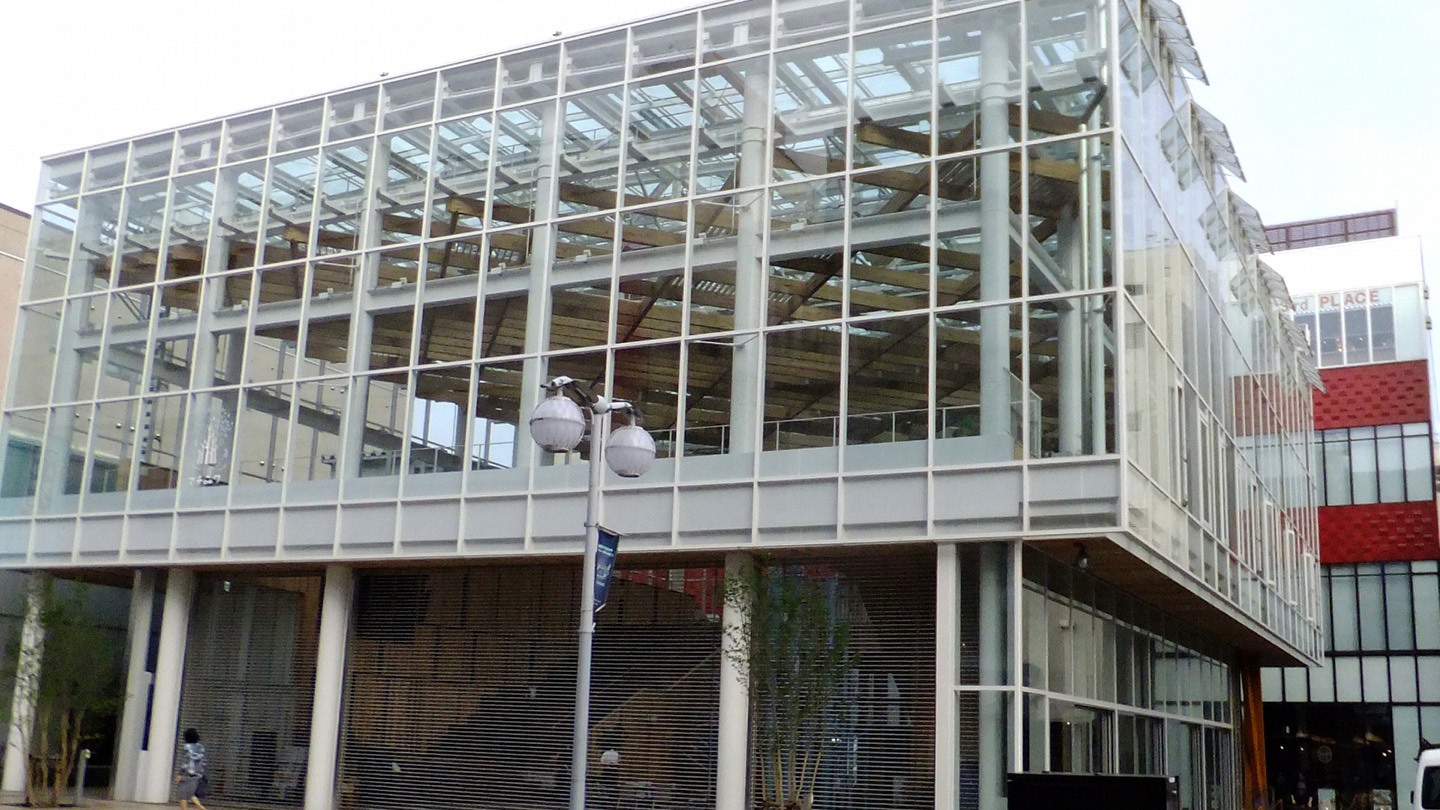
Located in the heart of Hachinohe, the Hachinohe Book Center is a unique cultural hub that blends books, design, and local lifestyle. It’s not just a place to browse literature—visitors can enjoy curated exhibitions, community events, and cozy reading areas. The architecture itself is modern and inviting, often praised by design enthusiasts. Open year-round, the center offers a relaxing stop during your exploration of northern Japan. If you’re looking for thoughtful things to do in Aomori, this quiet but inspiring space offers a glimpse into the creative pulse of Hachinohe.
Korekawa Jomon Kan
For history lovers, the Korekawa Archaeological Institution (Korekawa Jomon Kan) is a fascinating stop in Hachinohe. This museum showcases artifacts from the Jomon period—Japan’s prehistoric era—dating back thousands of years. Highlights include intricate pottery, tools, and the famous Gassho Dogu (a clay figurine designated a National Treasure). Visitors can enjoy hands-on activities and interactive displays that bring ancient life to the present. Easily accessible from downtown Hachinohe, it’s a great place to understand the deep cultural roots of the Tohoku region. A perfect option when exploring authentic Aomori attractions.
Kushihiki Hachimangu Shrine
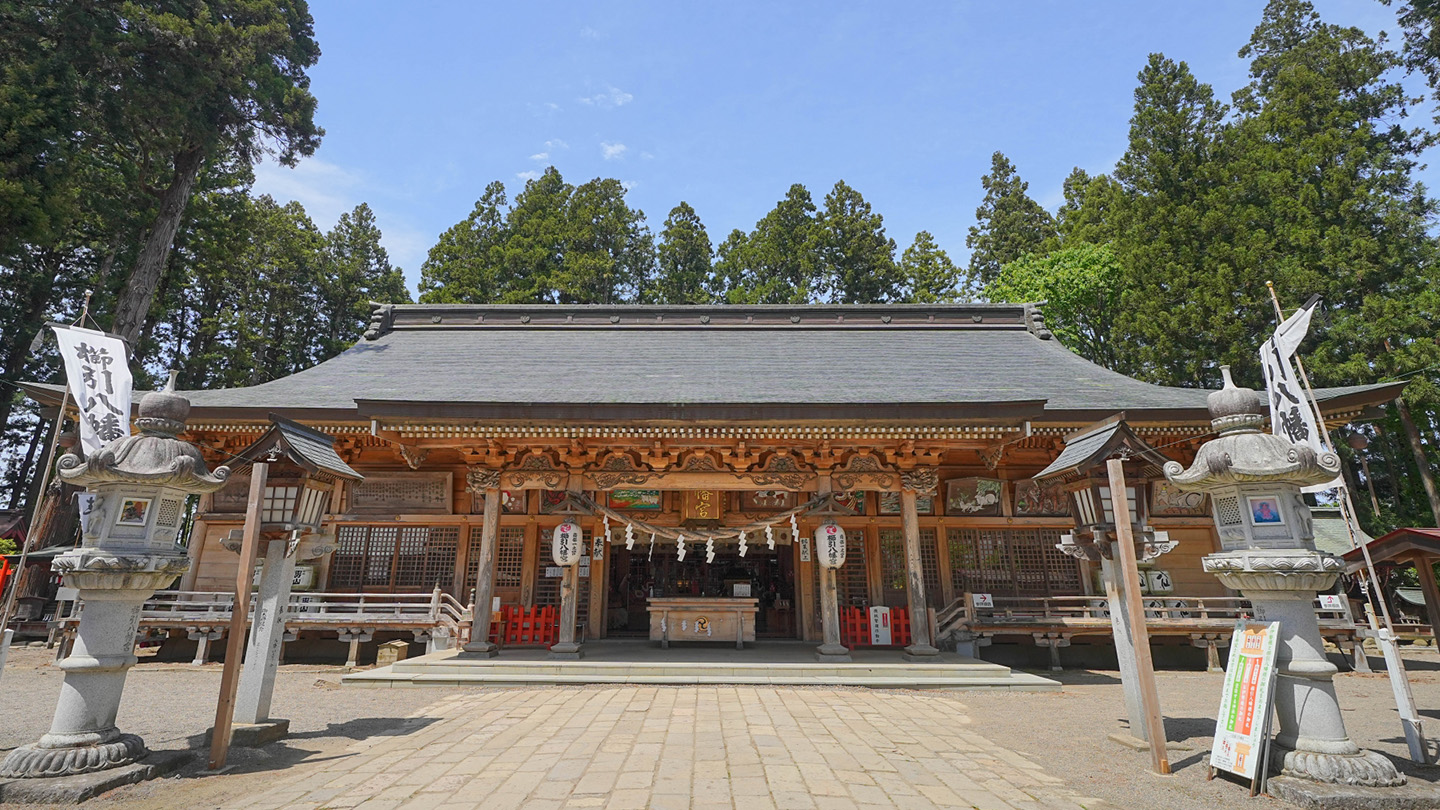
Tucked in a peaceful forest setting, Kushihiki Hachimangu Shrine is one of the most significant spiritual sites in Aomori Prefecture. Founded in the 12th century, the shrine features elegant wooden structures and seasonal festivals that connect deeply with local culture. Autumn is a particularly beautiful time to visit, when vibrant foliage surrounds the grounds. Visitors can explore the sacred architecture, offer prayers, and witness traditional rituals. The shrine is a serene retreat and a great way to experience Japan’s spiritual heritage while traveling through Hachinohe.
Ashigezaki Observatory

Perched on a hill overlooking the Pacific Ocean, the Ashigezaki Observatory offers stunning panoramic views of the Sanriku Coast. Originally a military lookout, this spot is now a peaceful scenic point where visitors can watch fishing boats, admire the rugged coastline, and enjoy sea breezes. Sunrise is especially breathtaking here, making it a popular early morning destination. Located near the Tanesashi Coast, it’s easy to combine with other seaside walks or nature spots in the area. A must-see for photographers and nature lovers exploring Aomori.
Hachinohe Shuzō Brewery (Tour & Tasting)
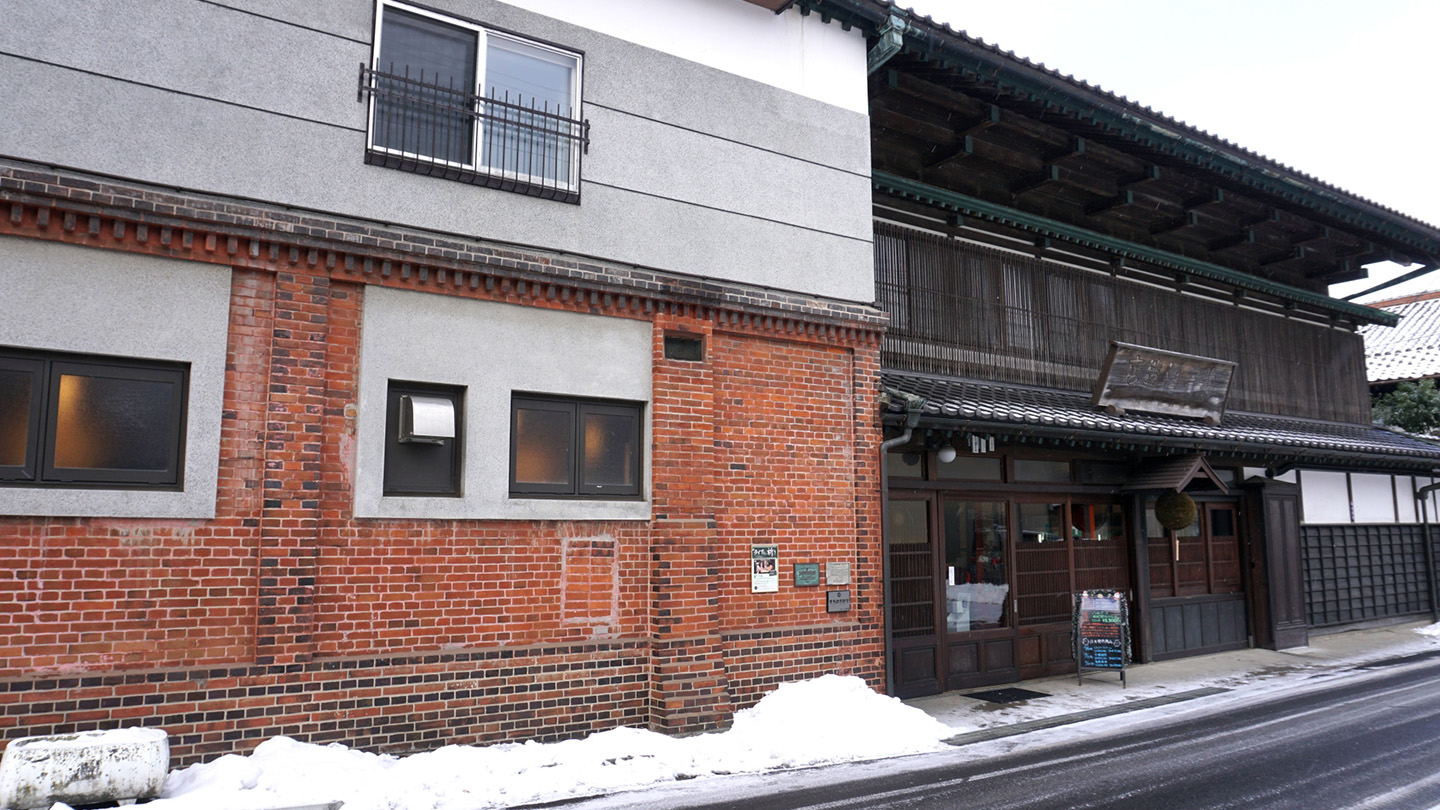
At the Hachinohe Shuzō Brewery, visitors can dive into the art of sake brewing in one of northern Japan’s oldest breweries. Founded in 1775, this family-run brewery offers guided tours that explain traditional techniques, seasonal variations, and the unique flavors of local rice and water. The tasting experience is a highlight, with options to sample a range of their signature sakes. Set in a historic building, the brewery combines old-world charm with a modern appreciation for craftsmanship. It’s a fantastic cultural experience while touring Aomori.
List of Local Products and Traditional Crafts from Hachinohe
Ichigo-ni (Sea Urchin and Abalone Broth)
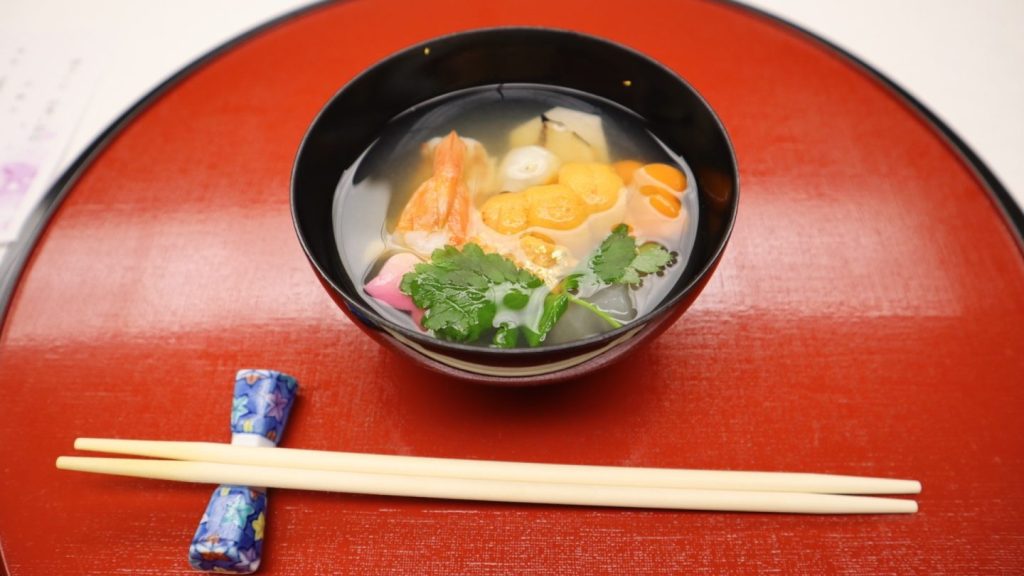
Ichigo-ni is a traditional seafood broth from the Hachinohe area, made with sea urchin and abalone. Its name means “strawberry stew,” inspired by the way sea urchin pieces resemble wild strawberries floating in the clear soup. Often served during special occasions like New Year’s or summer festivals, this dish reflects the coastal culture of Aomori, where fresh seafood is deeply valued. With its light yet rich flavor, Ichigo-ni offers a refined taste of the region’s connection to the sea. It’s a dish locals have cherished for generations, especially in seaside towns like Hachinohe.
Hachinohe Maeoki Mackerel
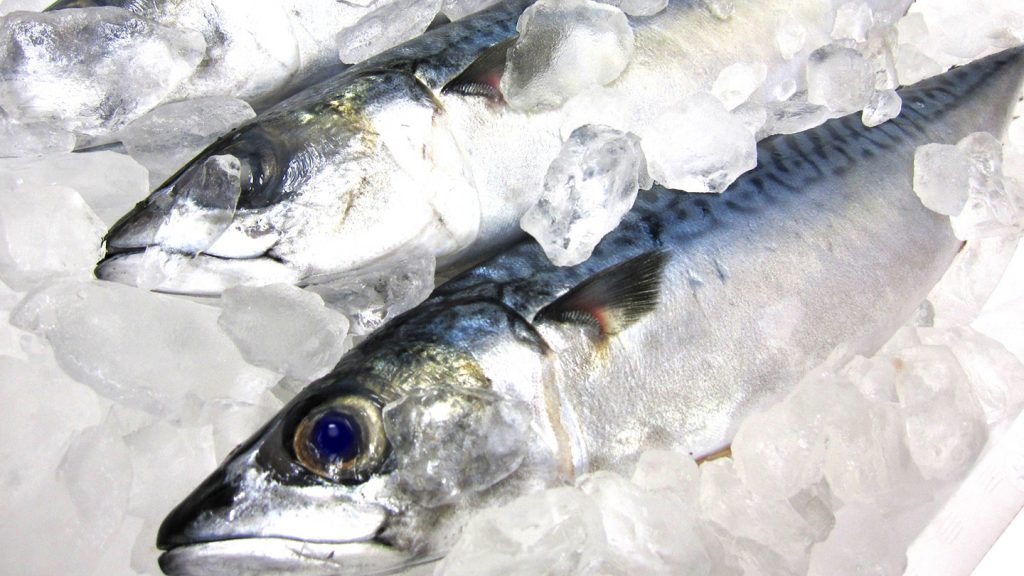
Hachinohe Maeoki Mackerel is known for its high fat content and rich flavor, thanks to the cold currents of the Pacific Ocean. Caught off the Maebama coast in Aomori, this mackerel is considered a seasonal highlight in autumn and early winter. The fish is often enjoyed grilled or lightly cured, bringing out its natural umami. Fishing and processing have long been part of the community’s livelihood, and Maeoki mackerel plays a key role in local food traditions. It’s a great example of how the sea continues to shape everyday life in Hachinohe.
Torasaba Pressed Mackerel Sushi
Torasaba Pressed Mackerel Sushi is a regional specialty from Hachinohe made with premium fatty mackerel, known as torazaba. The fish is cured and then pressed with seasoned rice into a rectangular shape, creating a sushi that’s both flavorful and visually elegant. This dish reflects the skill and care of local culinary traditions and is often enjoyed during festivals or family gatherings. Torazaba mackerel is typically caught in the colder months, when the fish is at its best. For travelers exploring Aomori, this sushi offers a meaningful bite of northern Japan’s seasonal culture.