


Top Attractions in Semboku for Sightseeing
Contents
Semboku located in the inland part of Akita Prefecture, is a tourist destination where you can enjoy beautiful seasonal nature and historic townscapes. The most famous spot is the Kakunodate Samurai District, which retains the strong atmosphere of the Edo period. In spring, the cherry blossom trees here are stunning, attracting visitors from all over the country. Lake Tazawa, Japan’s deepest and most mysterious lake, is another highlight, with the Tatsuko statue and lakeside hot springs offering a relaxing experience. In autumn, the foliage at Dakigaeri Valley is breathtaking, with the vibrant trees and mountain stream captivating visitors. Furthermore, at the Nyuto Onsenkyo hot springs, you can enjoy touring secluded hot springs and experience the traditional tōji (hot spring cure) culture. When you’re sightseeing in Semboku, you can enjoy a luxurious blend of nature, history, and hot springs, making it an excellent area for both family trips and solo travel. If you’re planning a trip to Tohoku, the tourist spots in Semboku are a must-see.
Recommended Local Products and Traditional Crafts in Semboku
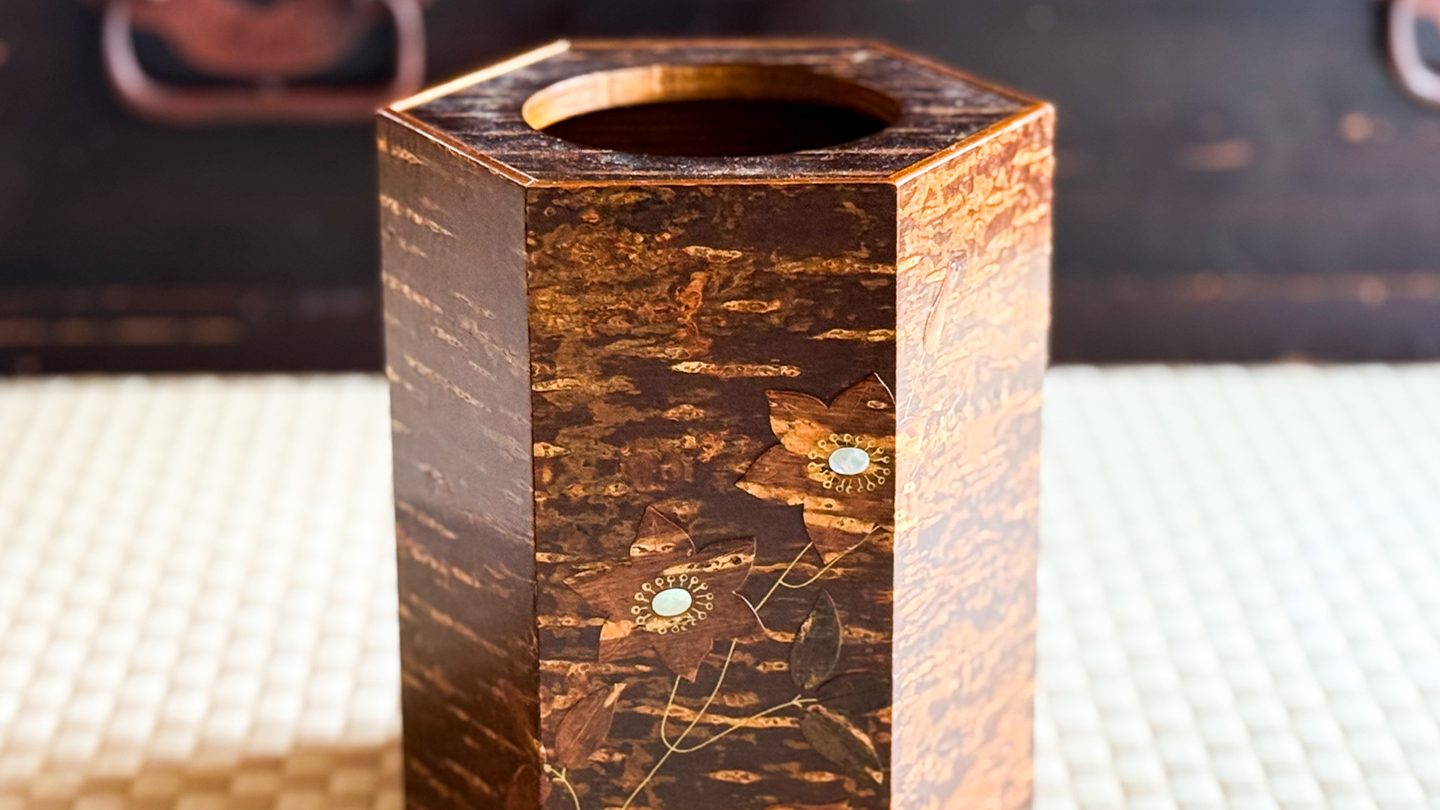
Kakunodate Cherry Bark Craft
Kakunodate Cherry Bark Craft, or Kabazaiku, is a traditional Japanese art form originating in Senboku, Akita, known for its refined beauty and deep cultural roots. This craft involves meticulously shaping and polishing the bark of wild cherry trees to create elegant items like tea caddies, trays, and accessory boxes. With a smooth, glossy finish and deep reddish-brown tones, each piece embodies the aesthetic of Japanese simplicity and harmony with nature. Kabazaiku has been practiced for over 200 years in Kakunodate, a town famous for its preserved samurai district and cherry blossoms. The skill is passed down through generations, making it not just a local specialty, but a symbol of craftsmanship and pride in Akita culture. Visitors exploring Tohoku tourism or looking for unique things to do in Akita will find Kakunodate’s workshops and galleries a peaceful and inspiring stop. As a local specialty in Akita, cherry bark craft offers a tangible piece of Japanese heritage—both beautiful and functional—that connects you to the spirit of the region.
Explore Semboku: Top Spots and Must-Know Topic
Kakunodate Samurai Residence Street
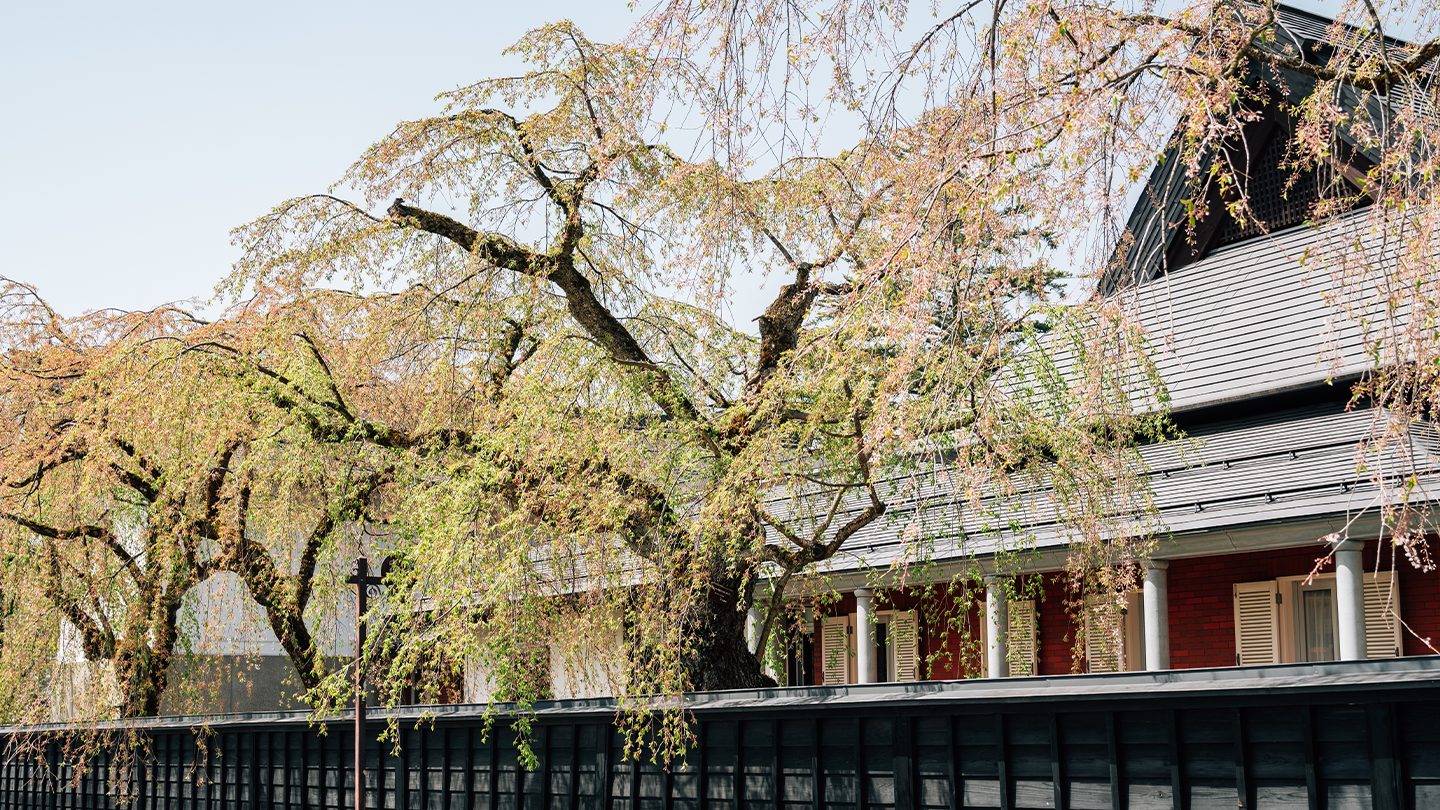
In the heart of Semboku, Kakunodate Samurai Residence Street offers a rare chance to walk through a well-preserved samurai district from the Edo period. Lined with majestic black wooden fences and historic homes, this quiet street reflects the elegance of Japan’s warrior class. Some residences are open to the public, displaying samurai armor, artifacts, and traditional architecture. Spring is especially popular, when cherry blossoms create a dreamlike atmosphere along the Hinokinai River nearby. For travelers seeking unique things to do in Akita, this cultural gem connects you with Japan’s rich past in a peaceful rural setting.
Lake Tazawa
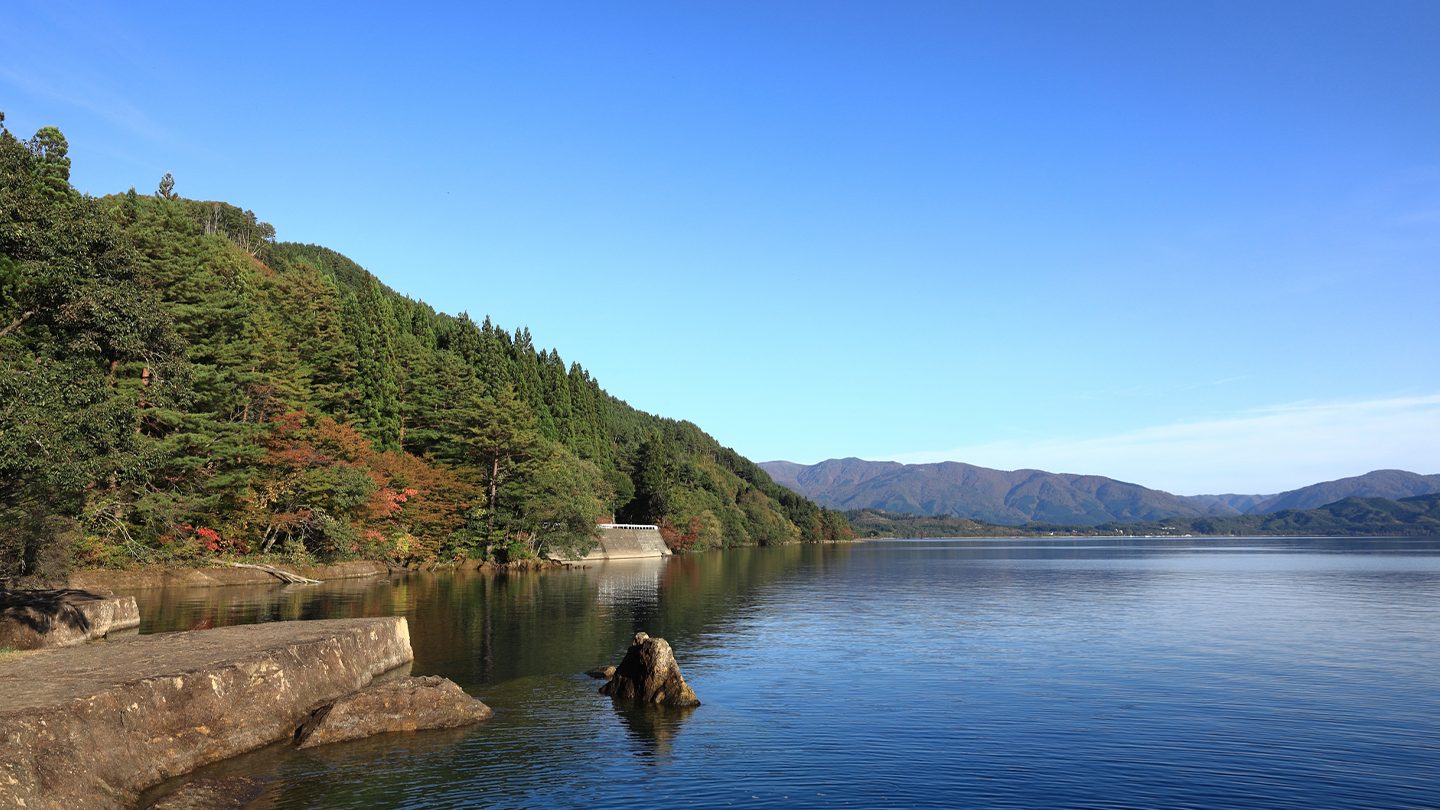
Lake Tazawa, located in Semboku, is Japan’s deepest lake and known for its stunningly clear, sapphire-blue water. Surrounded by forested hills and charming lakeside paths, it’s a scenic spot perfect for walking, cycling, or just relaxing. The lake is beautiful year-round, but autumn offers particularly vivid colors. In warmer months, paddle boats and lake cruises are popular. You can also explore nearby onsen towns or visit the famed Tatsuko statue. Lake Tazawa is a must-see destination for anyone planning Akita travel and looking for quiet natural beauty far from the big city.
Nyuto Hot Spring Village
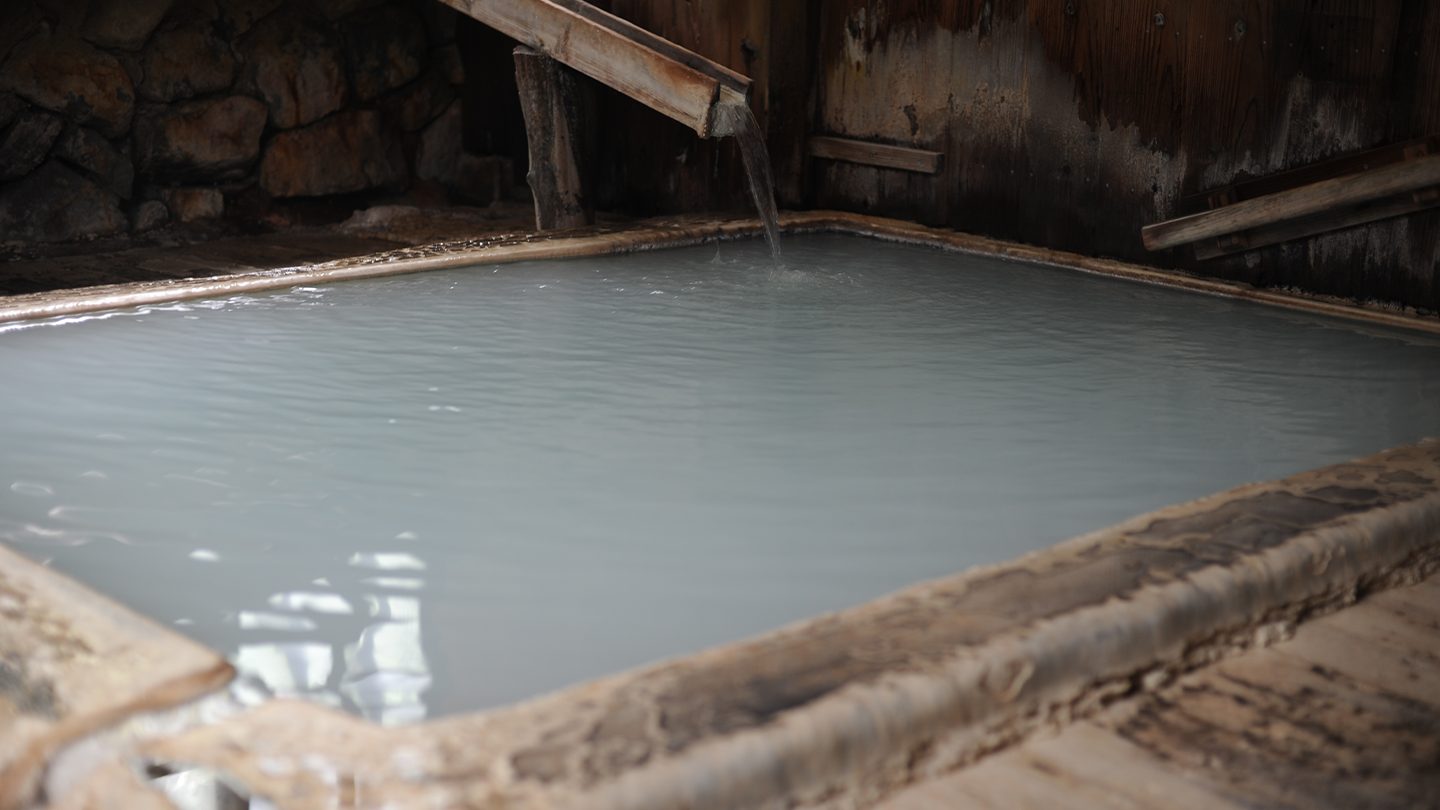
Tucked into the mountains of Semboku, Nyuto Onsen Village is a collection of rustic hot spring inns, each with its own unique mineral waters and atmosphere. Known for its milky-white baths and scenic open-air rotenburo, it’s one of the most authentic onsen experiences in Japan. Many of the inns have been operating for centuries, and staying overnight feels like stepping into the past. In winter, the snow-covered surroundings add a magical touch. Nyuto is accessible by bus from Lake Tazawa, making it an easy extension to your Akita adventure. If you’re into off-the-beaten-path wellness retreats, this is the place to be.
Dakigaeri Gorge
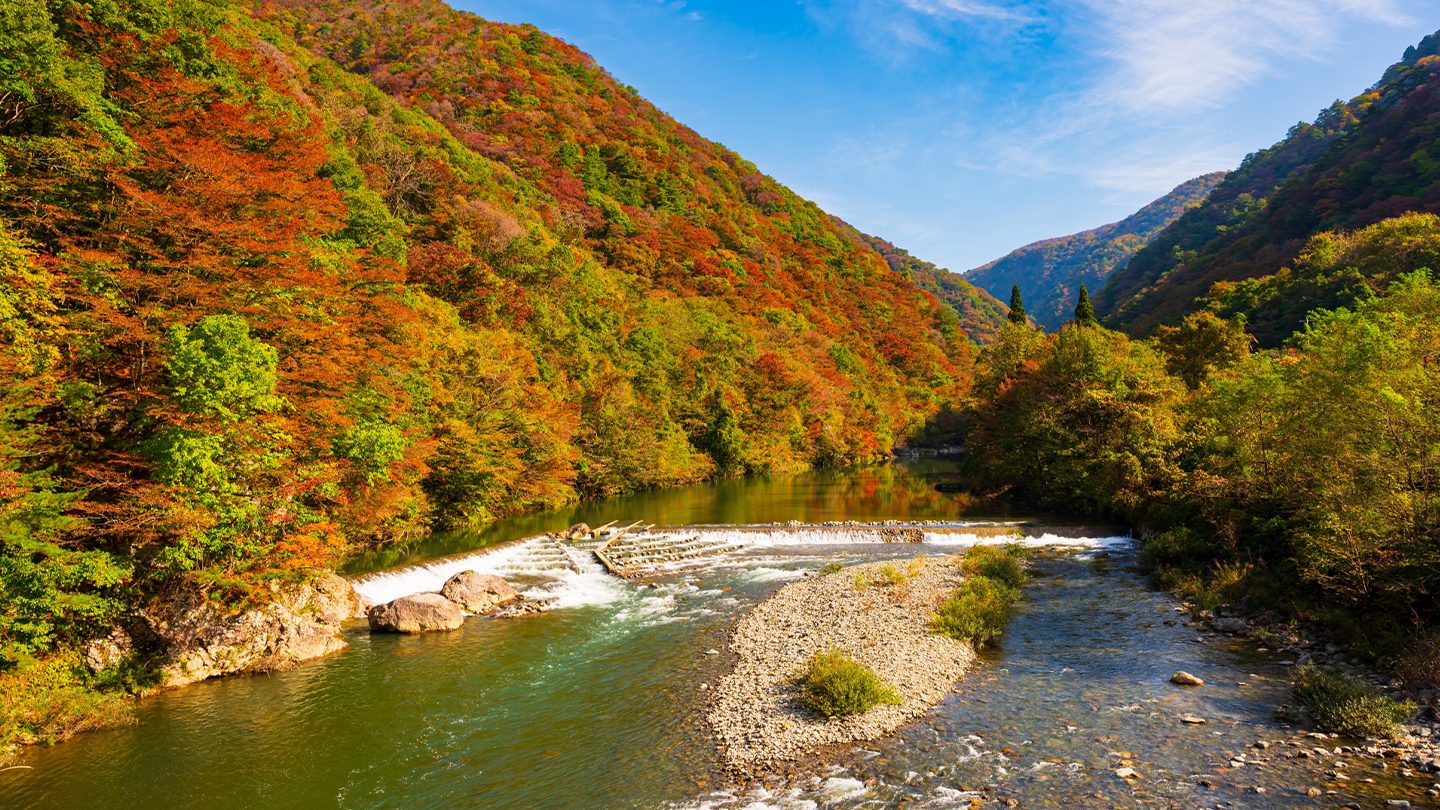
Dakigaeri Gorge is a breathtaking nature spot just outside central Semboku, known for its bright blue river, dramatic cliffs, and lush forest trails. A well-maintained walking path leads visitors through tunnels, over bridges, and to the stunning Mikaeri Waterfall. In autumn, the gorge becomes one of Akita’s most spectacular fall foliage destinations. The contrast of fiery red and gold leaves against the turquoise water is unforgettable. Whether you’re into hiking or scenic photography, Dakigaeri Gorge is one of the top things to do in Akita for outdoor lovers.
Visit Japan Web makes entering Japan easy — all in one place.
Prepare your entry procedures online before you travel.
Complete Quarantine, Immigration, and Customs forms smoothly with just a few taps.
Register anytime — before or during your trip — and simply show your QR code at the airport for a faster arrival.
Learn more about Visit Japan Web
Visit Japan Web makes entering Japan easy — all in one place.
Prepare your entry procedures online before you travel.
Complete Quarantine, Immigration, and Customs forms smoothly with just a few taps.
Register anytime — before or during your trip — and simply show your QR code at the airport for a faster arrival.
Learn more about Visit Japan Web
Statue of Tatsuko by Lake Tazawa
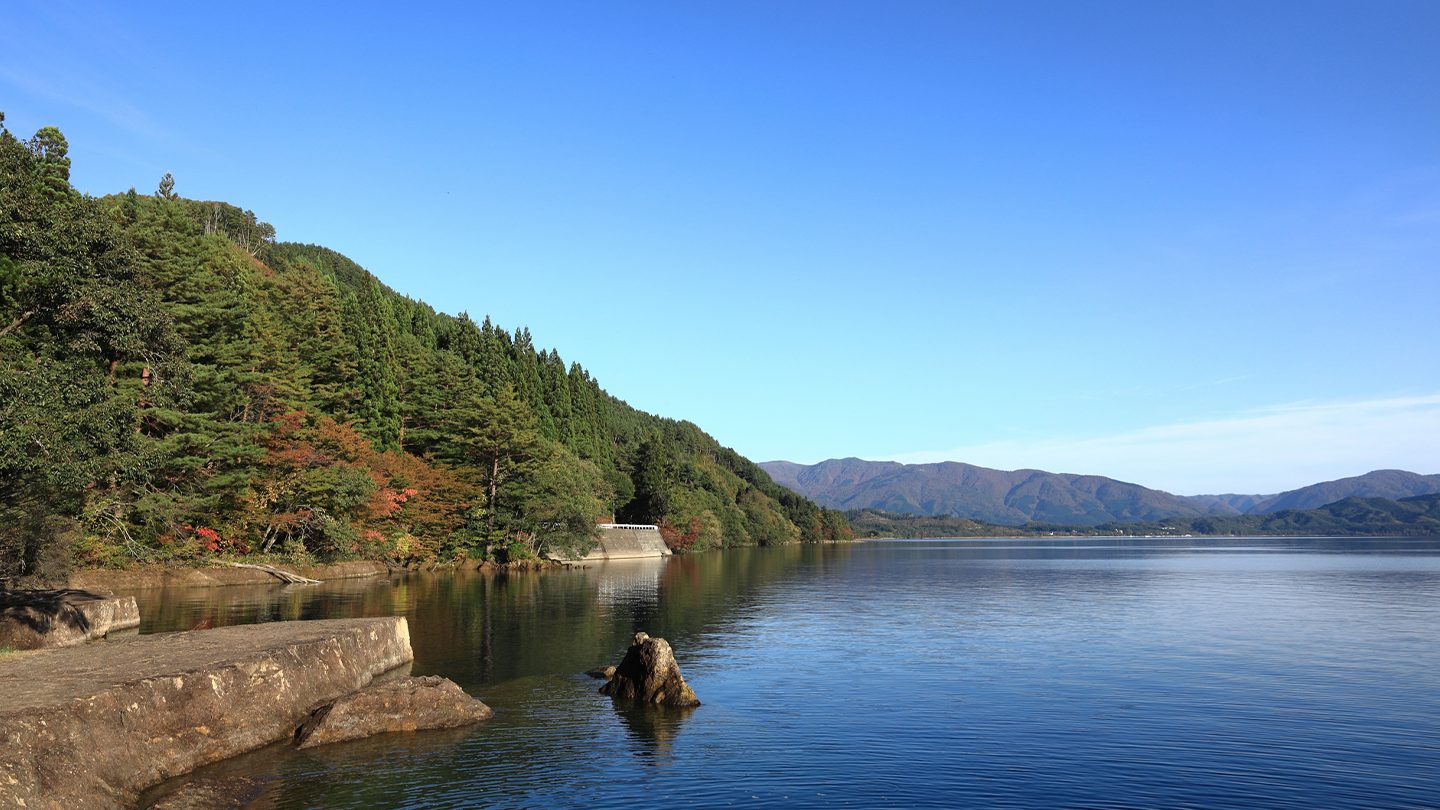
On the western shore of Lake Tazawa, the Statue of Tatsuko stands as a symbol of beauty and legend. According to local folklore, Tatsuko was a young woman who wished for eternal youth and was transformed into a dragon living in the lake. The golden statue captures her graceful figure looking out over the deep blue water, blending mythology with nature. It’s a popular photo spot and a great stop while exploring the lake. Learning the story behind the statue adds a poetic layer to your Akita travel experience and highlights the region’s rich storytelling tradition.
Kakunodate Historical Village – Aoyagi House
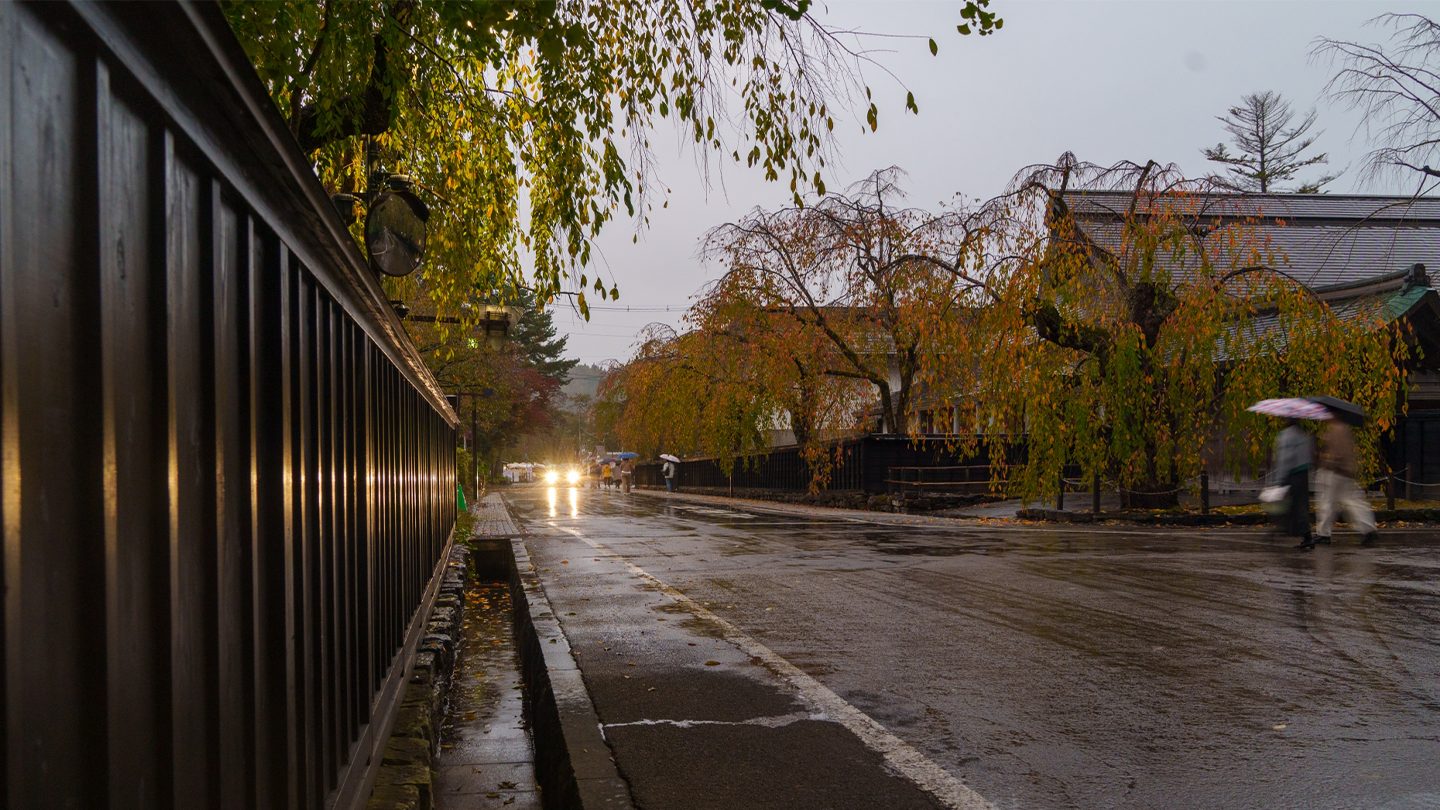
Step back into the samurai era at Aoyagi House, located in the well-preserved historical town of Kakunodate in Semboku, Akita. This traditional samurai residence-turned-museum offers a fascinating look at the lifestyle and craftsmanship of Japan’s warrior class. You can explore beautifully maintained rooms, samurai armor exhibits, antique weaponry, and even a teahouse. The area is especially stunning in spring, when cherry blossoms line the streets, making it one of the top seasonal things to do in Akita. Aoyagi House is an essential stop on any cultural journey through northern Japan, blending history, art, and architecture in one peaceful setting.
Shin-Tamagawa Onsen
Shin-Tamagawa Onsen, tucked in the mountains of Akita, is known for its exceptionally strong natural hot spring water—the most acidic in Japan. Located near Mount Akita-Komagatake, this modern facility draws visitors seeking the therapeutic effects of its unique geothermal waters. With indoor and outdoor baths surrounded by forest, it’s a peaceful escape all year round, especially soothing after a hike. It’s easy to reach by local bus from Tazawako Station, making it a great side trip from other Semboku attractions. Whether you’re a hot spring fan or just want to unwind in nature, Shin-Tamagawa offers a memorable wellness experience in Akita.
Jōjuin Yakushidō
Jōjuin Yakushidō is a historic temple hall in Katsuraku-chō, Kakunodate, Senboku City, where the Healing Buddha (Yakushi Nyorai) has been revered for centuries. Every year, on September 8th and 9th, the community celebrates with evening and main festivals featuring traditional festival floats and a mikoshi procession. These events preserve the enduring faith in Yakushi Nyorai, who has watched over the people of Kakunodate for more than a thousand years. Designated as a National Important Intangible Folk Cultural Property, the festival stands as a symbol of the town’s rich history and cultural heritage.
Saimei-ji Chestnut Village
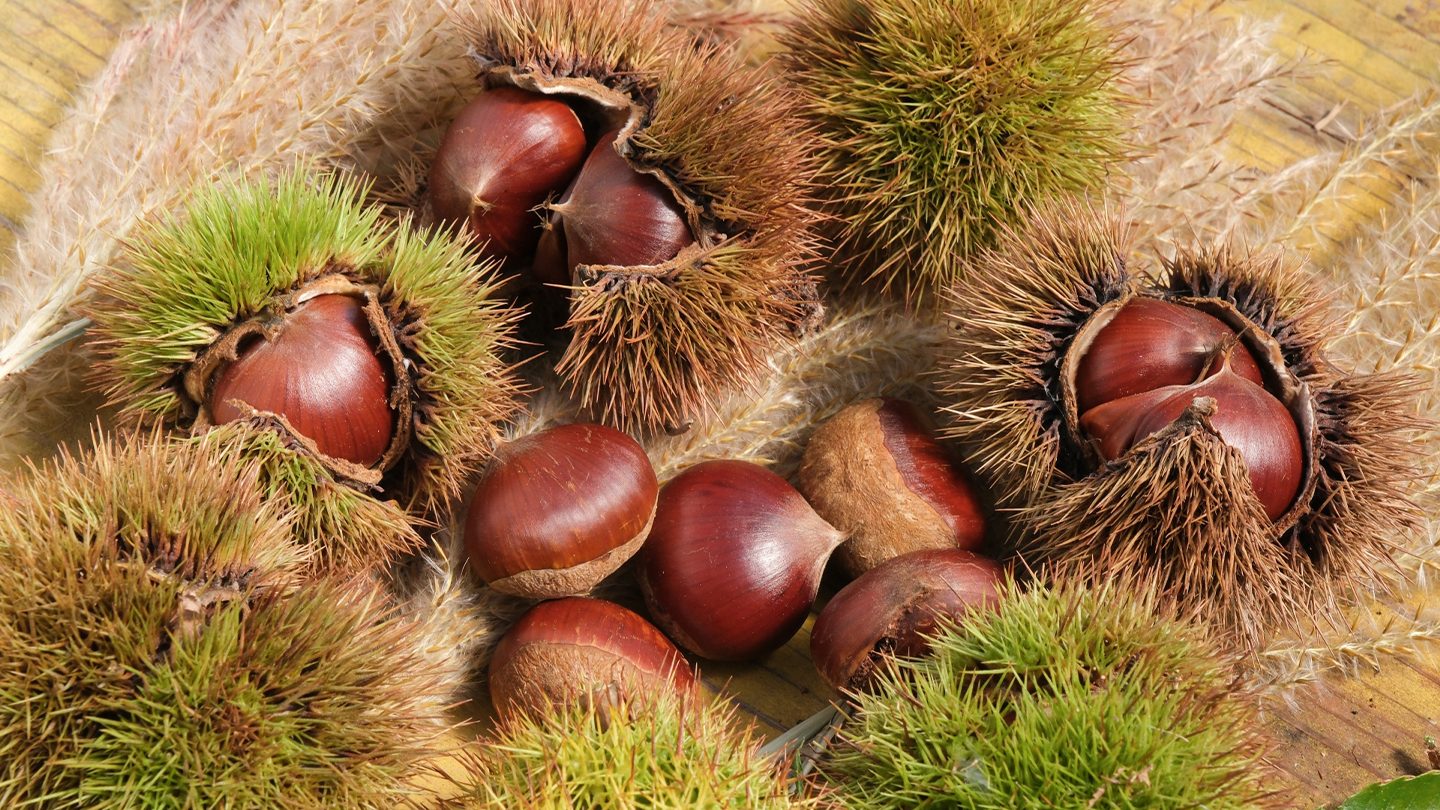
Just outside central Kakunodate, Saimei-ji Chestnut Village is a hidden gem where you can enjoy the simple pleasures of countryside life. This small farming community is known for its high-quality chestnuts, harvested in the crisp autumn air. Visitors can walk through chestnut groves, enjoy local treats made with the sweet nuts, and learn about the village’s long farming history. It’s a great seasonal stop, especially in fall when the leaves change color and the harvest is in full swing. For travelers looking to discover authentic rural culture during their Akita travel, Chestnut Village is a flavorful and scenic detour.
Mount Akita-Komagatake
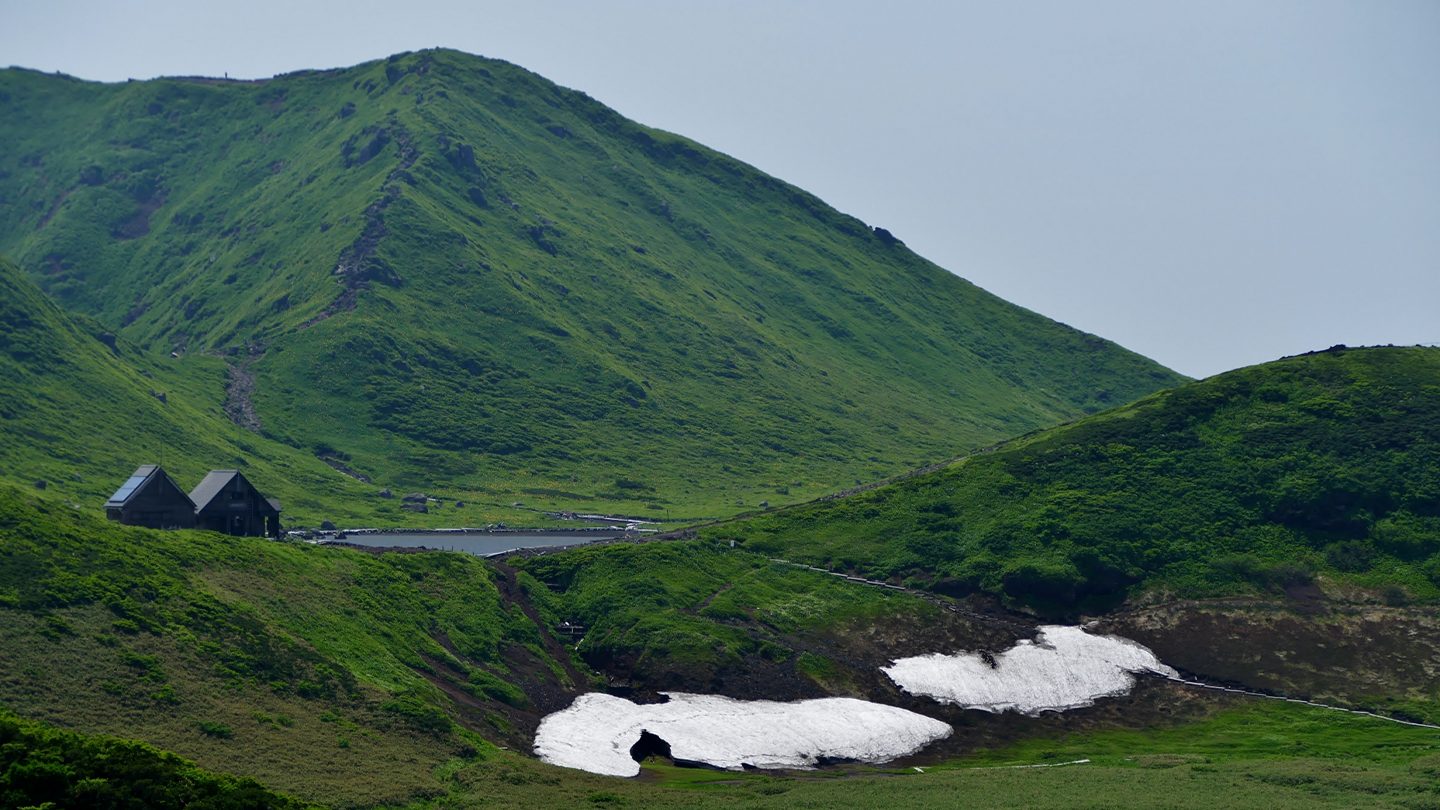
Mount Akita-Komagatake is a stunning volcanic peak offering some of the best hiking in the Tohoku region. Standing at over 1,600 meters, this mountain features well-maintained trails, alpine flowers in summer, and brilliant fall foliage in autumn. It’s part of Towada-Hachimantai National Park and easily accessible by seasonal bus from Tazawako Station, making it a convenient adventure for those visiting Kakunodate. The summit views stretch across Akita and beyond, with panoramic scenes of forests, crater lakes, and even distant mountain ranges. If you’re searching for active things to do in Akita, this natural highlight is not to be missed.
List of Local Products and Traditional Crafts from Semboku
Akita Komachi Rice
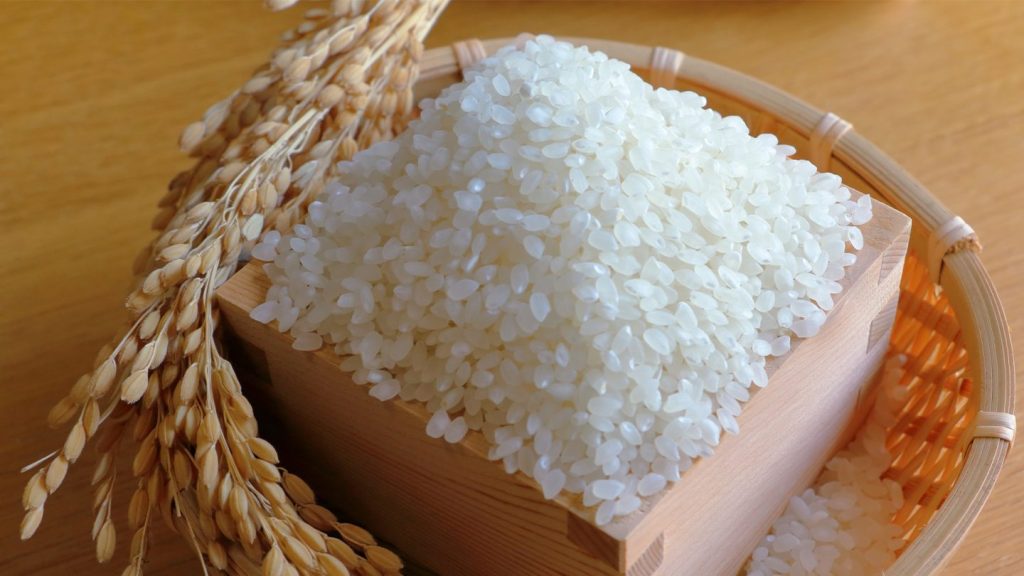
Akita Komachi is a beloved variety of rice grown in the rich fields of Akita Prefecture, especially around Semboku. Known for its glossy appearance, slightly sweet taste, and soft-yet-chewy texture, it’s a favorite in home-cooked meals across Japan. The name “Komachi” honors Ono no Komachi, a famous Heian-era poet born in the region. Whether served plain, in rice balls, or paired with local dishes, Akita Komachi reflects the natural bounty and refined simplicity of Tohoku’s food culture. For visitors exploring Akita’s countryside, it’s a delicious symbol of the area’s long-standing rice-growing tradition.
Inaniwa Udon
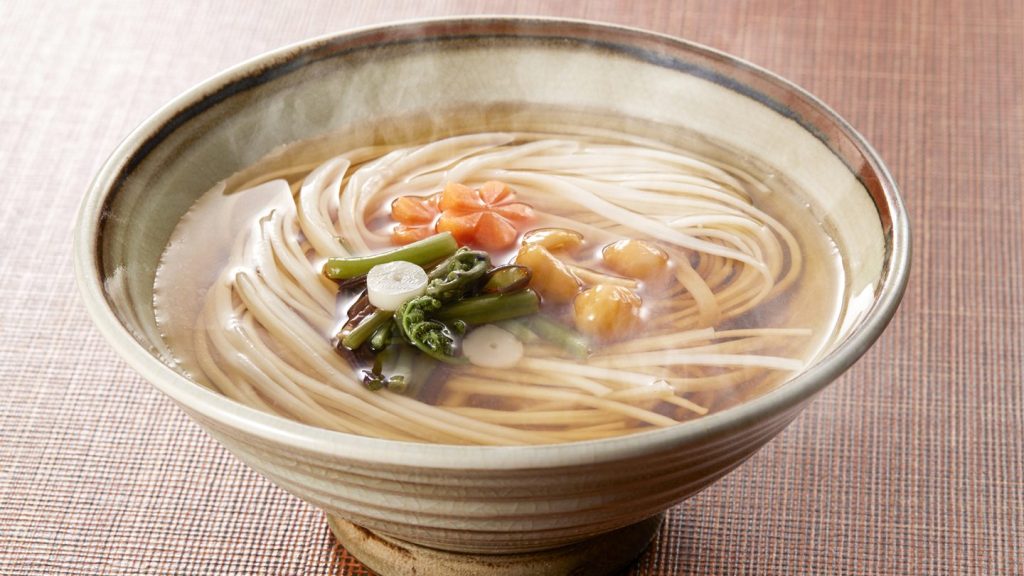
Inaniwa Udon is a regional specialty of Semboku, Akita, with over 300 years of history. Unlike typical thick udon noodles, Inaniwa Udon is hand-stretched, air-dried, and thinner, with a silky texture and elegant bite. The noodles are traditionally served cold with dipping sauce in summer or warm in a light broth during the colder months. Each batch takes several days to make, preserving the artisan techniques passed down through generations. This delicacy showcases Akita’s dedication to craftsmanship and seasonal eating, and is a meaningful culinary find for those traveling through the region.
Saimyoji Chestnuts
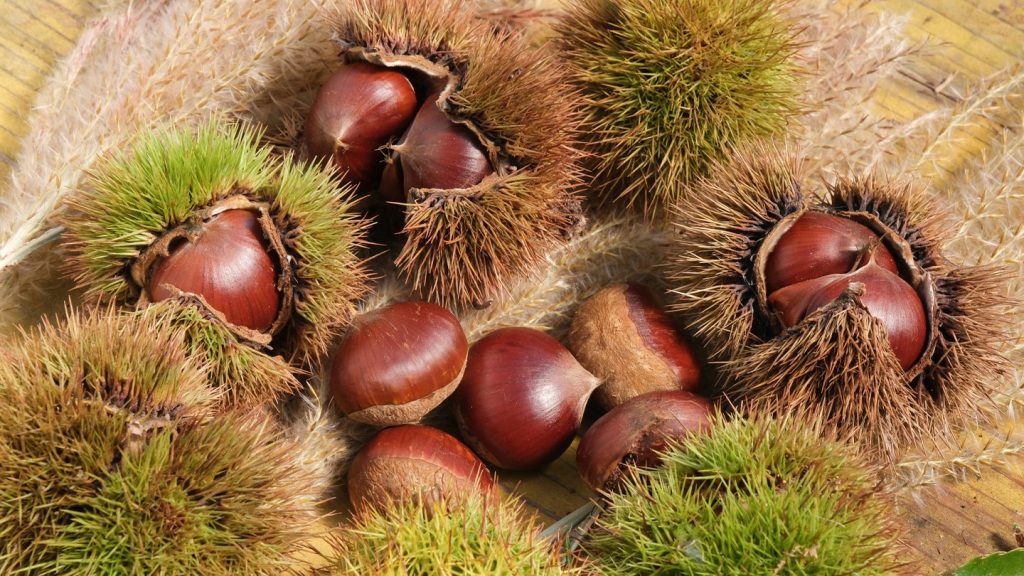
Saimyoji chestnuts are grown in the Nishiki-machi Saimyoji area of Semboku City, Akita Prefecture, and are said to be the largest chestnuts in Japan. They are notable for being nearly twice the size of ordinary chestnuts, with some weighing over 60 grams each. With their rich sweetness and fluffy, starchy texture, they are highly valued for use in roasted chestnuts, chestnut rice, and confectionery. Cultivated since the Azuchi-Momoyama period, they are a traditional specialty nurtured by the local climate and environment. Celebrated as one of the flavors of autumn, Saimyoji chestnuts are regarded as one of Semboku City’s representative culinary treasures.